Category Archives: Foodborne Illness

Denmark Ground beef once again the cause of Salmonella outbreaks

SSI

For the second time in less than a month, consumers in Denmark have been affected by salmonella infection. Cook the burger patty well and don’t taste raw meat, the authorities warn.
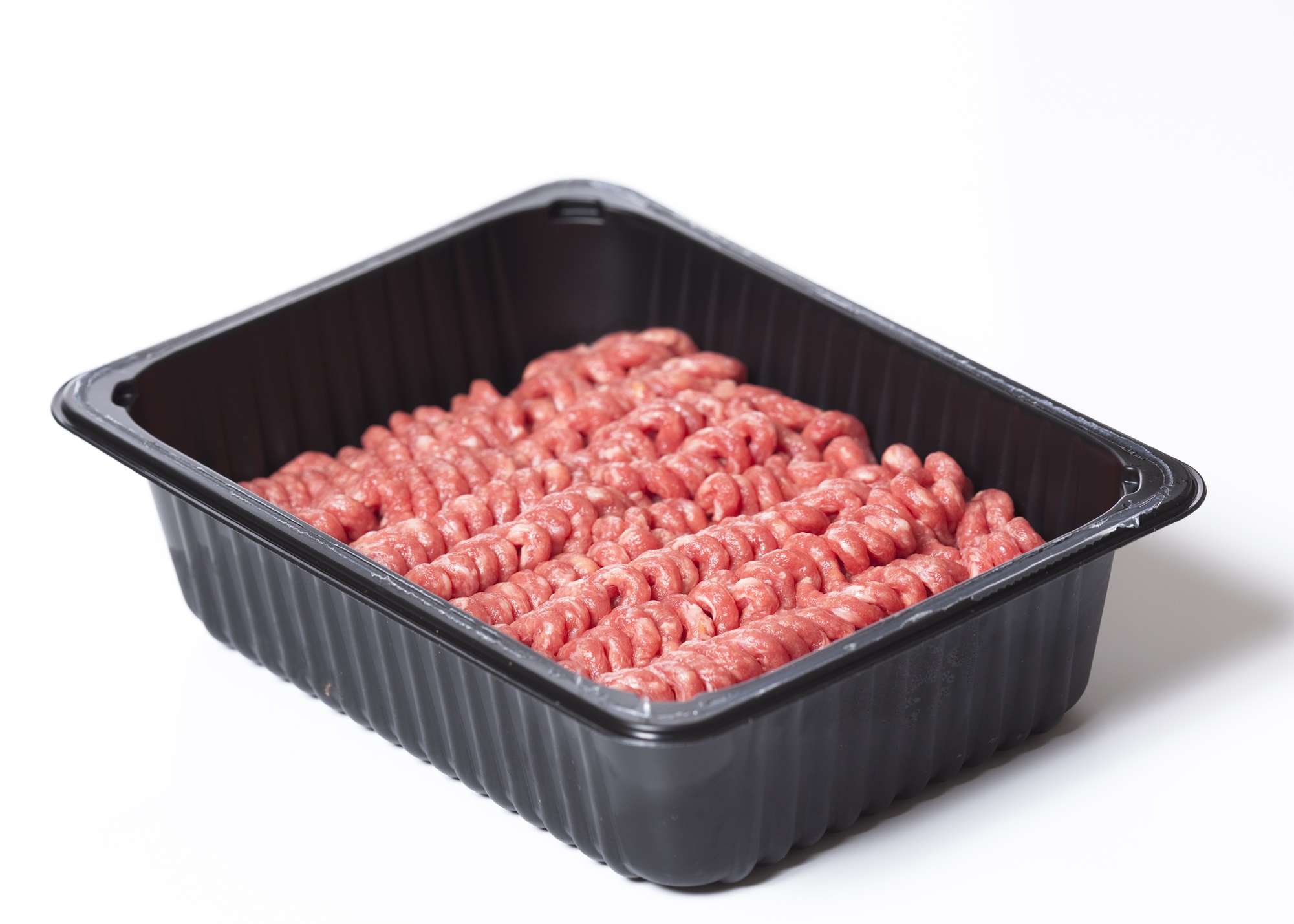
Beef in tray

A new salmonella outbreak with 43 patients is underway in Denmark. So far, it includes 27 men and 16 women aged 3-85. This is shown by figures from the Statens Serum Institut, which monitors and investigates foodborne disease outbreaks together with the DTU Food Institute and the Danish Veterinary and Food Administration.

“We are currently seeing a fast-growing outbreak with 43 patients who have contracted salmonella. We know that the actual number of patients is much higher, as not everyone goes to the doctor or gets a test. By examining the bacteria, we can see that the salmonella type is exactly the same at the DNA level. This means that the patients are infected by the same source. Interviews with patients again point to ground beef, as we saw with the latest outbreak.”
Luise Müller, epidemiologist, Statens Serum Institut.

Investigation underway

It is still unclear where the beef comes from, but the authorities are in the process of interviewing patients and reviewing procurement information. The goal is to find common features among the patients’ purchases in order to try to make a breakthrough in the investigation.

“We have established that two-thirds of the current patients have either tasted the raw meat or used ordinary minced beef for tartar. We would strongly advise against that,” emphasizes section leader of the Danish Food and Food Administration Annette Perge.

The reason is that there may be bacteria in minced meat which can cause illness. It can be salmonella, but it can also be particularly dangerous E. coli bacteria. That is why the advice from the Danish Veterinary and Food Administration also reads:

  • If you want to eat tartar, buy minced meat, which is specially intended for tartar. It’s on the packaging – otherwise ask the butcher.
  • Wash hands before starting to cook and after touching raw meat
  • Avoid tasting raw meat, e.g. raw minced meat
  • Keep raw meat separate from ready-to-eat food, e.g. salad
  • Fry or cook minced meat through

Less than a month ago, 64 patients in Denmark were infected with a type of salmonella that was found to originate from minced beef from England. The authorities in the central outbreak group have not yet found the origin of the source of infection for the latest outbreak.

Facts about Salmonella

Infection with salmonella typically causes general malaise, diarrhoea, stomach ache, possibly nausea, vomiting and fever. The infection is often accompanied by joint pain, muscle pain and headache. In most cases, the symptoms of salmonella are mild and go away on their own. If you get persistent symptoms, you should contact your own doctor.

Read more about the outbreak

UK – More than 100 sick in UK E. coli outbreak

Food Safety News

Public health agencies across the United Kingdom are searching for the source of an E. coli outbreak that has sickened more than 100 people in less than two weeks.

There have been 113 confirmed cases in the Shiga toxin-producing E. coli (STEC) O145 outbreak since May 25.

The UK Health Security Agency (UKHSA), Public Health Scotland, and Public Health Wales are investigating the rise in infections.

There is no connection with the E. coli O145 outbreak reported earlier this year, which was linked to raw milk cheese produced by Mrs Kirkham’s that sickened people in England and Scotland.

Research – Genomic analysis of an outbreak of Shiga toxin-producing Escherichia coli O183:H18 in the United Kingdom, 2023

Microbiology Research

In June 2023, UKHSA surveillance systems detected an outbreak of severe gastrointestinal symptoms caused by a rare serotype of Shiga toxin-producing , STEC O183:H18. There were 26 cases aged 6 months to 74 years (42 % cases were aged 0–9 years), distributed across the UK with onset dates range between 22 May 2023 and 4 July 2023. The epidemiological and food chain investigations were inconclusive, although meat products made from beef mince were implicated as a potential vehicle. The outbreak strain belonged to sequence type (ST) 657 and harboured a Shiga toxin () subtype  located on a prophage that was unique in the UKHSA -encoding bacteriophage database. Plasmid encoded, putative virulence genes  and  were detected, however, the established STEC virulence genes involved in attachment to the gut mucosa ( and ) were absent. The acquisition of  across the global population structure of ST657 appeared to correspond with the presence of  and . During the outbreak investigation, we used long read sequencing to characterise the plasmid and prophage content of this atypical STEC, to look for evidence to explain its recent emergence. Although we were unable to determine source and transmission route of the outbreak strain, the genomic analysis revealed potential clues as to how novel strains for STEC evolve. With the implementation of PCR capable of detecting all STEC, and genome sequencing for typing and virulence profiling, we have the tools to enable us to monitor the changing landscape of STEC. Improvements in the standardised collection of epidemiological data and trace-back strategies within the food industry, will ensure we have a surveillance system capable of alerting us to emerging threats to public health.

UK – STEC E-coli advice issued amid rise in cases

Gov UK

The UK Health Security Agency (UKHSA), together with public health agencies in Scotland, Northern Ireland and Wales, are investigating an increase in the number of Shiga toxin-producing Escherichia coli (STEC) cases in the UK in recent weeks.

Infections caused by STEC bacteria can cause severe bloody diarrhoea and, in some cases, more serious complications. It is often transmitted by eating contaminated food but can also be spread by close contact with an infected person, as well as direct contact with an infected animal or its environment.

Whole genome sequencing of samples in the current investigation indicates that most cases are part of a single outbreak. Based on the wide geographic spread of cases, it is most likely that this outbreak is linked to a nationally distributed food item or multiple food items. The source of this outbreak is not yet confirmed but there is currently no evidence linking the outbreak to open farms, drinking water or swimming in contaminated seawater, lakes or rivers. The public health agencies are working with the Food Standards Agency (FSA) and Food Standards Scotland to investigate further.

As of 4 June, there have been 113 confirmed cases associated with this outbreak of STEC O145 in the UK, all reported since 25 May 2024:

  • 81 in England
  • 18 in Wales
  • 13 in Scotland
  • 1 in Northern Ireland (for this case, evidence suggests that they acquired their infection while visiting England)

Typically, we see around 1,500 cases of STEC over a full year. Numbers of confirmed cases associated with this outbreak are expected to rise as further samples undergo whole genome sequencing.

Cases range in age from 2 years old to 79 years old, with the majority of cases in young adults. Of the 81 cases identified to date in England, 61 have provided information to UKHSA related to food, travel and potential exposures and of these we know that 61% have been hospitalised.

While the source of this outbreak is currently unknown, there are steps you can take to reduce your risk of gastrointestinal infections, as well as limiting the spread to others:

  • regularly wash your hands with warm water and soap — alcohol gels do not kill all bugs that cause diarrhoeal illness
  • follow food hygiene measures such as washing fruit and vegetables and cooking food properly
  • if you have diarrhoea and vomiting, you should not prepare food for others and avoid visiting people in hospitals or care homes to avoid passing on the infection
  • you should not return to work, school or nursery until 48 hours after your symptoms have stopped

Trish Mannes, Incident Director at UKHSA, said:

Symptoms of infections with STEC include severe and sometimes bloody diarrhoea, stomach cramps, vomiting and fever. If you have diarrhoea and vomiting, you can take steps to avoid passing it on to family and friends. NHS.UK has information on what to do if you have symptoms and when to seek medical advice.

Washing your hands with soap and warm water and using disinfectants to clean surfaces will help stop infections from spreading. If you are unwell with diarrhoea and vomiting, you should not prepare food for others and avoid visiting people in hospitals or care homes to avoid passing on the infection in these settings. Do not return to work, school or nursery until 48 hours after your symptoms have stopped.

Darren Whitby, Head of Incidents and Resilience at the FSA, said:

The FSA is working with UKHSA and relevant Public Health bodies to identify the source of the illness, which is likely to be linked to one or more food items.

We always advise consumers and those looking after vulnerable people to ensure good hygiene practices are followed when handling and preparing food, regularly washing hands with soap and warm water and ensuring equipment, utensils and surfaces foods come into contact with are cleaned thoroughly to prevent cross contamination.

You should not prepare food for others if you have had symptoms, or for 48 hours after symptoms stop. You can find more information about good hygiene practises – 4c’s, and E. coli on our website.

Jim McMenamin, Head of Health Protection (infection Services), Public Health Scotland, said:

To help stop infections like E. coli from spreading, we advise regular hand washing using soap and water, particularly after using the toilet and before preparing food. People should also use disinfectants to clean surfaces that may be contaminated. Anyone experiencing severe and sometimes bloody diarrhoea, stomach cramps, vomiting and fever should call their GP or 111 to seek advice. Anyone with diarrhoea or vomiting should avoid attending places such as schools, workplaces or social gatherings until at least 48 hours after their symptoms have ceased.

Wendi Shepherd, Consultant in Health Protection for Public Health Wales, said:

Public Health Wales is working with partners in the UK and across the Welsh NHS to investigate this incident. There are currently 18 cases identified in Wales and healthcare providers have been advised of the increase in cases. We would advise anyone who has experienced bloody diarrhoea or severe stomach cramps to seek medical attention.

UK – An urgent health warning has been issued after an STEC E.coli outbreak was linked to a “nationally distributed food item”.

Sky News

An urgent health warning has been issued after an E.coli outbreak was linked to a “nationally distributed food item”.

An unspecified number of people are being treated in hospital due to the outbreak, the UK Health Security Agency (UKHSA) has said.

The UKHSA said testing indicates that most of the 113 cases reported in the UK are “part of a single outbreak” but did not give more details about the “food item” thought to be responsible.

The cases range in age from two years old to 79, with the majority of the infections in young adults.

USA – FDA – Investigations of Foodborne Illness Outbreaks

FDA

What’s New

  • An outbreak of Salmonella Braenderup illnesses (ref # 1229) linked to a not yet identified product has been added to the table. FDA has initiated traceback.
  • For the outbreak of Salmonella Africana illnesses (ref # 1227) linked to a not yet identified product, the case count has increased from 141 to 162. FDA has initiated an inspection and sampling. FDA’s investigation is ongoing.
  • The FDA and CDC, in collaboration with state and local partners, are investigating a multistate outbreak of Salmonella Africana illnesses that may be linked to cucumbers. On June 5, 2024, FDA issued an outbreak advisory. FDA and CDC are also investigating an outbreak of Salmonella Braenderup infections that shares several similarities with the Salmonella Africana outbreak, including where and when illnesses occurred and the demographics of ill people. Investigators are working to determine whether the two outbreaks could be linked to the same food. This investigation is ongoing; the outbreak advisory and the CORE Investigation Table will be updated once additional information becomes available.

Hong Kong – The Centre for Health Protection (CHP) of the Department of Health is today (June 4) investigating two epidemiologically linked food poisoning clusters

Gov HK

The first cluster involved a 6-year-old girl and a 10-year-old boy, who developed abdominal pain, diarrhoea, vomiting, and fever about 15 hours after having dinner at a restaurant in Tsuen Wan on May 31.

The other cluster involved two girls aged 6 and 8 respectively, who developed similar symptoms about 10 to 24 hours after consuming takeaway food purchased from the same restaurant at night on the same day.

All affected persons have sought medical advice and are in stable condition.

Initial investigations by the CHP revealed that the affected persons had consumed common food and the food concerned was spaghetti with meat sauce, potato wedges, corn kernels and jelly. The stool specimens of two affected persons were positive for Salmonella upon laboratory testing.

FDA – Outbreak Investigation of Salmonella: Cucumbers (June 2024)

FDA

Sample Product Image from the Outbreak Investigation of Salmonella Related to Cucumbers (June 2024)

Sample Product Image from the Outbreak Investigation of Salmonella Related to Cucumbers (June 2024)

Sample Product Image from the Outbreak Investigation of Salmonella Related to Cucumbers (June 2024)

Do not eat, sell, or serve recalled cucumbers distributed by Fresh Start Produce Sales, Inc. and distributed to certain states. FDA’s investigation is ongoing.

June 5, 2024

The FDA and CDC, in collaboration with state and local partners, are investigating a multistate outbreak of Salmonella Africana infections potentially linked to cucumbers.

Based on epidemiological information collected by CDC for the Salmonella Africana investigation, as of June 4, 162 people infected with the outbreak strain of Salmonella Africana have been reported from 25 states and the District of Columbia. Of the 65 people interviewed, 47 (72%) reported eating cucumbers.

CDC and FDA are also investigating an outbreak of Salmonella Braenderup infections, with 158 illnesses in 23 states. The two outbreaks share several similarities, including where and when illnesses occurred and the demographics of ill people. Investigators are working to determine whether the two outbreaks could be linked to the same food vehicle. Information will be provided on the source of the Salmonella Braenderup outbreak as it becomes available.

As part of the Salmonella Africana investigation, state partners in the Pennsylvania Department of Agriculture collected samples of cucumbers from several retail locations in their state. One sample supplied by Fresh Start Produce Sales, Inc., of Delray, Florida, tested positive for Salmonella. Additional analysis is ongoing to determine the specific strain of Salmonella that was detected on the cucumbers and if they are linked to an outbreak.

In response to the positive sample, Fresh Start Produce Sales, Inc. has recalled cucumbers grown in Florida. English and mini cucumbers are not included in this recall. Cucumbers distributed by Fresh Start Produce Sales, Inc. are from a variety of growers. The grower that likely supplied potentially contaminated cucumbers is no longer growing and harvesting cucumbers for the season.

The investigations are ongoing to determine the source(s) of contamination and whether these or other products are linked to illnesses. FDA will update this advisory should additional consumer safety information become available.


Map of Distribution for Recalled Fresh Start Cucumbers

Map of U.S. Distribution of Recalled Fresh Start Cucumbers - Outbreak Investigation of Salmonella: Cucumbers (June 2024)

Case Counts

See CDC Investigation Notice for Case Information for Salmonella Africana and Salmonella Braenderup

Product Distribution*: AL, FL, GA, IL, MD, NC, NJ, NY, OH, PA, SC, TN, VA, WV

*Distribution has been confirmed for states listed, but product could have been distributed further, reaching additional states.

Uganda – Food poisoning ruins Martyrs Day for many pilgrims

The Independent

Several pilgrims at the Catholic Shrine in Namugongo have reported a range of health issues, including stomach disorders and food poisoning.

Dr. Joseph Mubiru from Mulago, who is leading the health service team at the shrine, stated that they have treated over 160 pilgrims for food poisoning, stomach disorders, eye infections, high blood pressure, and other ailments.

Additionally, more than 30 pilgrims have collapsed. The medical team has stabilized these individuals before transferring them to Mulago Hospital for further treatment. While there are several health service providers at the shrine, all collapsed pilgrims are taken to Mulago for comprehensive care.

India – Nearly 100 people suffer from food poisoning at community event in Udaipur

India Today

Nearly 100 people took ill on Sunday in an incident of food poisoning in Rajasthan’s Udaipur, officials said.

Block Chief Medical Officer Dr Saket Jain, after primary examination of patients, said that it looked like a matter of food poisoning.

As per reports, several people took ill and grew symptoms of food poisoning after eating at a community event, following which they were admitted to a nearby hospital and are undergoing treatment.