Category Archives: Algal Toxin

USA – Red tide in Southwest Florida – Karenia brevis

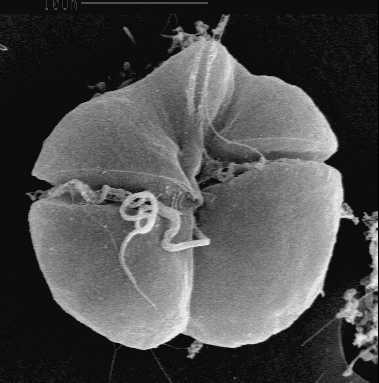
File:Karenia brevis.jpgOutbreak News Today 

In an update on the red tide in Southwest Florida, the Fish and Wildlife Conservation Commission says bloom of the Florida red tide organism, Karenia brevis, persists in the area.

Fish kills have been reported over the past week in multiple locations in Manatee County, in Sarasota County, in Charlotte County, in Lee County, and in and offshore of Collier County.

Respiratory irritation was reported over the past week in numerous places along Florida’s west coast.

The National Ocean Service says while many people call these blooms ‘red tides,’ scientists prefer the term harmful algal bloom. One of the best known HABs in the nation occurs nearly every summer along Florida’s Gulf Coast. Red tides have been documented along Florida’s gulf coast since the 1840’s.

This bloom, like many HABs, is caused by microscopic algae that produce toxins that kill fish and make shellfish dangerous to eat. The toxins may also make the surrounding air difficult to breathe. As the name suggests, the bloom of algae often turns the water red.

Karenia brevis was named for Dr. Karen A. Steidinger in 2001, and was previously known as Gymnodinium breve and Ptychodiscus brevis. Karenia brevis is a marine dinoflagellate common in Gulf of Mexico waters, and is the organism responsible for the “tides” (coastal infestations) termed red tides that affect Gulf coasts—of Florida and Texas in the U.S., and nearby coasts of Mexico. It is the source organism for various toxins found present during such “tides”, including the eponymously named brevetoxins.


New Zealand – Further shellfish biotoxin alerts

MPI

The Ministry for Primary Industries (MPI) today issued a public health warning against collecting shellfish in the entire Bay of Islands, extending to the outer heads between Cape Wiwiki to Cape Brett.

MPI also extended the public health warning against collecting shellfish on the west coast of the North Island in the Taranaki, Waikato, Wanganui, Manawatu, and Horowhenua regions. The warning now extends from the mouth of Port Waikato southward to the Manawatu River at Foxton Beach. The alert also includes Aotea and Kawhia Harbours but not Port Waikato itself.

Routine tests on shellfish samples taken from the Bay of Islands region have shown levels of Paralytic Shellfish Poisoning (PSP) toxins above the safe limit of 0.8 mg/kg set by MPI. Anyone eating shellfish from this area is potentially at risk of illness.

Warnings are also in place for the Kenepuru and Pelorus Sounds, Akaroa Harbour, and the West Coast of the North Island.

Mussels, oysters, tuatua, pipi, toheroa, cockles, scallops, catseyes, kina (sea urchin) and all other bivalve shellfish should not be eaten.

Note, cooking shellfish does not remove the toxin.

Map of Bay of Islands

USA -Record ‘Red Tide’ Of Toxic Algae Is Killing Wildlife In Florida – Humans Affected as Well

Huffington Post

toxic algae bloom sweeping Florida’s southwest coast is being described as the worst in more than a decade, with the so-called red tide blanketing beaches in dead fish and killing sharks, manatees and endangered sea turtles.

The aggressive overgrowth, which occurs each year but intensifies with high temperatures, pollution and stagnant water, has become unusually strong since emerging in October, and has stretched into the longest outbreak since 2006, according to state wildlife officials.


According to Treasure Coast Newspapers, 15 people were recently treated at Martin Health System emergency rooms in Stuart over two days for symptoms consistent with algae toxins after coming in contact with the St. Lucie River, which is near West Palm Beach and Lake Okeechobee.

Inhaling, touching or ingesting the algae through contaminated water can cause respiratory illness, abdominal pain, vomiting, and neurologic effects, according to the Centers for Disease Control and Prevention. Eating contaminated fish or shellfish also can cause illness.

UK – Scotland -High levels of shellfish toxin

HPS Scotland 

Monitoring work undertaken on behalf of Food Standards Scotland (FSS) has identified raised levels of shellfish toxins in Loch Leurbost in Lewis.

Eating shellfish such as mussels, cockles, or razor fish from these areas may pose a risk to human health and notices to warn the public and casual gatherers have been posted at various locations on the shore. Commercial shellfish harvesters in these areas have been contacted by the Comhairle (Western Isles Council) and steps taken to postpone harvesting until algae levels subside.

The Comhairle is monitoring the situation and will remove warning notices when it improves.

[Source: Comhairle nan Eilean Siar, 26 July 2018. https://www.cne-siar.gov.uk/news/2018/july/high-levels-of-shellfish-toxin/]

New Zealand -Shellfish biotoxin alert (extended) – Taranaki and Waikato region

MPI

The Ministry for Primary Industries (MPI) today extended the public health warning against collecting shellfish on the west coast of the North Island in the Taranaki and Waikato region. The warning now extends from the mouth of Port Waikato southward to Ohawe in the Taranaki region. The alert also includes Aotea and Kawhia Harbours but not Port Waikato itself.

Routine tests on shellfish samples taken from sites in this region have shown levels of Paralytic Shellfish Poisoning (PSP) toxins above the safe limit of 0.8 mg/kg set by MPI. Anyone eating shellfish from this area is potentially at risk of illness.

Warnings remain in place for the Pelorus Sounds and Akaroa Harbour.

Mussels, oysters, tuatua, pipi, toheroa, cockles, scallops, catseyes, kina (sea urchin) and all other bivalve shellfish should not be eaten.

Note: cooking shellfish does not remove the toxin.

Pāua, crab and crayfish may still be eaten if the gut has been completely removed prior to cooking, as toxins accumulate in the gut. If the gut is not removed its contents could contaminate the meat during the cooking process.

Symptoms typically appear between 10 minutes and 3 hours after ingestion and may include:

  • numbness and a tingling (prickly feeling) around the mouth, face, and extremities (hands and feet)
  • difficulty swallowing or breathing
  • dizziness
  • headache
  • nausea
  • vomiting
  • diarrhoea
  • paralysis and respiratory failure and in severe cases, death.

If anyone becomes ill after eating shellfish from an area where a public health warning has been issued, phone Healthline for advice on 0800 61 11 16, or seek medical attention immediately. You are also advised to contact your nearest public health unit and keep any leftover shellfish in case it can be tested.

Monitoring of toxin levels will continue and any changes will be communicated accordingly. Commercially harvested shellfish – sold in shops and supermarkets, or exported – is subject to strict water and flesh monitoring programmes by MPI to ensure they are safe to eat.

Find out more

Signs will be erected in the affected areas.

RASFF Alert – ASP -Scallops

kswfoodworld food safety poisoning

RASFF-Amnesic Shellfish Poisoning (ASP) toxins – domoic acid (57.8 mg/kg – ppm) in scallops (Pecton jacobeus) from Belgium in Belgium

New Zealand – Shellfish biotoxin alert – Taranaki and Waikato region

MPI

The Ministry for Primary Industries (MPI) today issued a public health warning against collecting shellfish on the west coast of the North Island in the Taranaki and Waikato region. The warning extends from Raglan, including Raglan Harbour, southward to Urenui. The alert also includes Aotea and Kawhia Harbours.

Routine tests on shellfish samples taken from sites in this region have shown levels of Paralytic Shellfish Poisoning (PSP) toxins above the safe limit of 0.8 mg/kg set by MPI. Anyone eating shellfish from this area is potentially at risk of illness.

Warnings remain in place for the Pelorus Sounds and Akaroa Harbour.

Mussels, oysters, tuatua, pipi, toheroa, cockles, scallops, catseyes, kina (sea urchin) and all other bivalve shellfish should not be eaten.

Note: cooking shellfish does not remove the toxin.

Pāua, crab and crayfish may still be eaten if the gut has been completely removed prior to cooking, as toxins accumulate in the gut. If the gut is not removed its contents could contaminate the meat during the cooking process.

Symptoms typically appear between 10 minutes and 3 hours after ingestion and may include:

  • numbness and a tingling (prickly feeling) around the mouth, face, and extremities (hands and feet)
  • difficulty swallowing or breathing
  • dizziness
  • headache
  • nausea
  • vomiting
  • diarrhoea
  • paralysis and respiratory failure and in severe cases, death.

If anyone becomes ill after eating shellfish from an area where a public health warning has been issued, phone Healthline for advice on 0800 61 11 16, or seek medical attention immediately. You are also advised to contact your nearest public health unit and keep any leftover shellfish in case it can be tested.

Monitoring of toxin levels will continue and any changes will be communicated accordingly. Commercially harvested shellfish – sold in shops and supermarkets, or exported – is subject to strict water and flesh monitoring programmes by MPI to ensure they are safe to eat.

New Zealand – Do not eat or collect shellfish from Akaroa Harbour – DSP

MPI

The Ministry for Primary Industries (MPI) today issued a public health warning advising the public not to collect or consume shellfish harvested for the entire Akaroa Harbour in Canterbury.

Routine tests on shellfish samples taken from Akaroa Harbour have shown levels of diarrhetic shellfish toxins above the safe limit of 0.16 mg/kg set by MPI.  Anyone eating shellfish from this area is potentially at risk of illness.

Ongoing testing will continue and we’ll let you know if the situation changes.

Mussels, oysters, tuatua, pipi, toheroa, cockles, scallops, catseyes, kina (sea urchin) and all other bivalve shellfish should not be eaten.

Note, cooking shellfish does not remove the toxin.

Pāua, crab and crayfish may still be eaten if the gut has been completely removed prior to cooking, as toxins accumulate in the gut. If the gut is not removed its contents could contaminate the meat during the cooking process.

Symptoms typically appear within half an hour of ingestion and last for about 24 hours. Symptoms may include:

  • diarrhoea
  • vomiting
  • nausea
  • abdominal cramps

If anyone becomes ill after eating shellfish from an area where a public health warning has been issued phone Healthline for advice on 0800 61 11 16, or seek medical attention immediately. You are also advised to contact your nearest public health unit and keep any leftover shellfish in case it can be tested.

Note, commercially harvested shellfish – sold in shops and supermarkets, or exported – is subject to strict water and flesh monitoring programmes by MPI to ensure they are safe to eat.

Find out more

New Zealand – Updated – Shellfish biotoxin alert issued for parts of Bay of Islands

Map of Cape Wiwiki to Cape Brett shellfish warning.

MPI 

The Ministry for Primary Industries today issued a public health warning against collecting shellfish in the Bay of Islands, extending to the outer heads between Cape Wiwiki and Cape Brett.

Routine tests on shellfish samples taken from the Bay of Islands region have shown levels of Paralytic Shellfish Poisoning (PSP) toxins above the safe limit of 0.8 mg/kg set by MPI. Anyone eating shellfish from this area is potentially at risk of illness.

MPI also strongly advises the public against collecting shellfish in the Hawke’s Bay region due to concerning levels of toxins being detected in shellfish. A warning is also in place for the Kenepuru and Pelorus Sounds.

Mussels, oysters, tuatua, pipi, toheroa, cockles, scallops, cat’s eyes, kina (sea urchin) and all other bivalve shellfish should not be eaten.

Note, cooking shellfish does not remove the toxin.

Pāua, crab and crayfish may still be eaten if the gut has been completely removed prior to cooking, as toxins accumulate in the gut. If the gut is not removed its contents could contaminate the meat during the cooking process.

Symptoms typically appear between 10 minutes and 3 hours after ingestion and may include:

  • numbness and a tingling (prickly feeling) around the mouth, face, and extremities (hands and feet)
  • difficulty swallowing or breathing
  • dizziness
  • headache
  • nausea
  • vomiting
  • diarrhoea
  • paralysis and respiratory failure and in severe cases, death.

If anyone becomes ill after eating shellfish from an area where a public health warning has been issued, phone Healthline for advice on 0800 61 11 16, or seek medical attention immediately. You are also advised to contact your nearest public health unit and keep any leftover shellfish in case it can be tested.

Monitoring of toxin levels will continue and any changes will be communicated accordingly. Commercially harvested shellfish – sold in shops and supermarkets, or exported – is subject to strict water and flesh monitoring programmes by MPI to ensure they are safe to eat.

Find out more

Signs will be erected in the affected areas.

RASFF Alert – Marine Biotoxin – Live Scallops

kswfoodworld food safety poisoning

RASFF-possible presence of marine biotoxins in live scallops (Pecten maximus) from Norway in Norway