Category Archives: Algal Toxin

New Zealand – Shellfish biotoxin alert – Taranaki/Waikato coastline

MPI

The Ministry for Primary Industries (MPI) today issued a public health warning advising the public not to collect or consume shellfish harvested on the West Coast (Taranaki/Waikato) of the North Island between Oakura north to Albatross Point south of Kawhia Harbour.

Routine tests on shellfish samples taken from this region have shown levels of Paralytic Shellfish Poisoning (PSP) toxins above the safe limit of 0.8 mg/kg set by MPI. Anyone eating shellfish from this area is potentially at risk of illness.
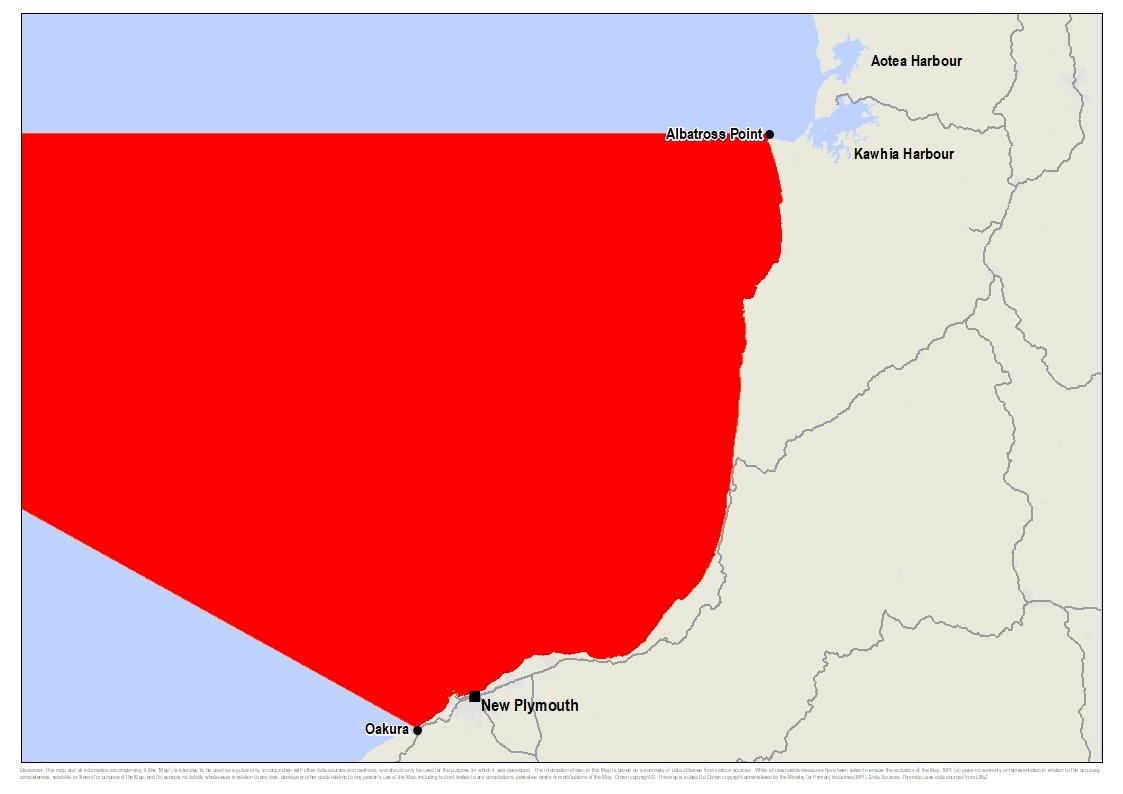
Map highlighting in red the areas affected.

Mussels, oysters, tuatua, pipi, toheroa, cockles, scallops, catseyes, kina (sea urchin) and all other bivalve shellfish should not be eaten.

Note: Cooking shellfish does not remove the toxin.

Pāua, crab and crayfish may still be eaten if the gut has been completely removed prior to cooking, as toxins accumulate in the gut. If the gut is not removed its contents could contaminate the meat during the cooking process.


New Zealand – Shellfish biotoxin alerts – Hawkes Bay

MPI

The Ministry for Primary Industries (MPI) today issued a public health warning advising the public not to collect or consume shellfish harvested from the Hawkes Bay Coast between Mahanga Beach south to Porangahau Beach.

Routine tests on shellfish samples taken from this region have shown levels of Paralytic Shellfish Poisoning (PSP) toxins above the safe limit of 0.8 mg/kg set by MPI. Anyone eating shellfish from this area is potentially at risk of illness.

Map highlighting in red the areas affected.

Mussels, oysters, tuatua, pipi, toheroa, cockles, scallops, catseyes, kina (sea urchin) and all other bivalve shellfish.

Note, cooking shellfish does not remove the toxin.

Pāua, crab and crayfish may still be eaten if the gut has been completely removed prior to cooking, as toxins accumulate in the gut. If the gut is not removed its contents could contaminate the meat during the cooking process.
Canada – Certain Pacific Oysters may be unsafe due to a marine biotoxin which causes Paralytic Shellfish Poisoning

CFIA

Recall details

Ottawa, July 19, 2019 – Industry is recalling certain Pacific oysters from the marketplace due to a marine biotoxin which causes Paralytic Shellfish Poisoning. Consumers should not consume the recalled products described below.

Recalled products

Brand Name Common Name Size Code(s) on Product Additional Info
Union Bay Seafood Ltd. Pacific oysters, Mica’s Petite Effingham Inlet 5 dozen Location: BC 23-6
Landfile: 1403799
Lot: 20190715NW
Harvest Date:14 July 2019
Union Bay Seafood Ltd. Pacific oysters Effingham Inlet Xs 5 dozen Location: BC 23-6
Landfile: 1403799
Lot: 20190715NW
Harvest Date:14 July 2019
Intercity Packers Ltd. Oyster N/Shell Effingham XSM 5 dozen Harvest Location: BC 23-6
LF#: 1403799
P.O. No.: 114994
Harvest Date:7/14/2019

RASFF Alert – Diarrhoeic Shellfish Poisoning (DSP) – Live Mussels (Mytilus edulis)

RASFF-Logo

RASFF – Diarrhoeic Shellfish Poisoning (DSP) toxins – okadaic acid (182 µg/kg – ppb) in live mussels (Mytilus edulis) from France in France

New Zealand – Public health warning – Marine biotoxin in shellfish in Nydia Bay

MPI

The Ministry for Primary Industries (MPI) today issued a public health warning advising the public not to collect or consume shellfish harvested from Nydia Bay in Pelorus Sound, Marlborough.

Routine tests on shellfish samples taken from this region have shown levels of Paralytic Shellfish Poisoning (PSP) toxins above the safe limit of 0.8 mg/kg set by MPI. Anyone eating shellfish from this area is potentially at risk of illness.

Mussels, oysters, tuatua, pipi, toheroa, cockles, scallops, catseyes, kina (sea urchin) and all other bivalve shellfish should not be eaten.

Note: cooking shellfish does not remove the toxin.

Pāua, crab and crayfish may still be eaten if the gut has been completely removed prior to cooking, as toxins accumulate in the gut. If the gut is not removed its contents could contaminate the meat during the cooking process.

Namibia -Shellfish Poisoning Halts Oyster, Mussel Exports – DSP

All Africa

OYSTER and black mussel producers who mainly export to Asia have stopped harvesting and exporting since last week after routine tests revealed the delicacies were contaminated with ‘diarrhoeatic shellfish poisoning’ (DSP), which can make people very sick.

The fisheries ministry issued an alert last week, warning people not to eat oysters or mussels from Lüderitz and Walvis Bay.

Chief fisheries biologist Frikkie Botes said such spells of contamination, which is a seasonal occurrence – mainly during summer from October to April – result in the shellfish industry suffering economic losses.

New Zealand – Shellfish biotoxin alerts – DSP – PSP

MPI

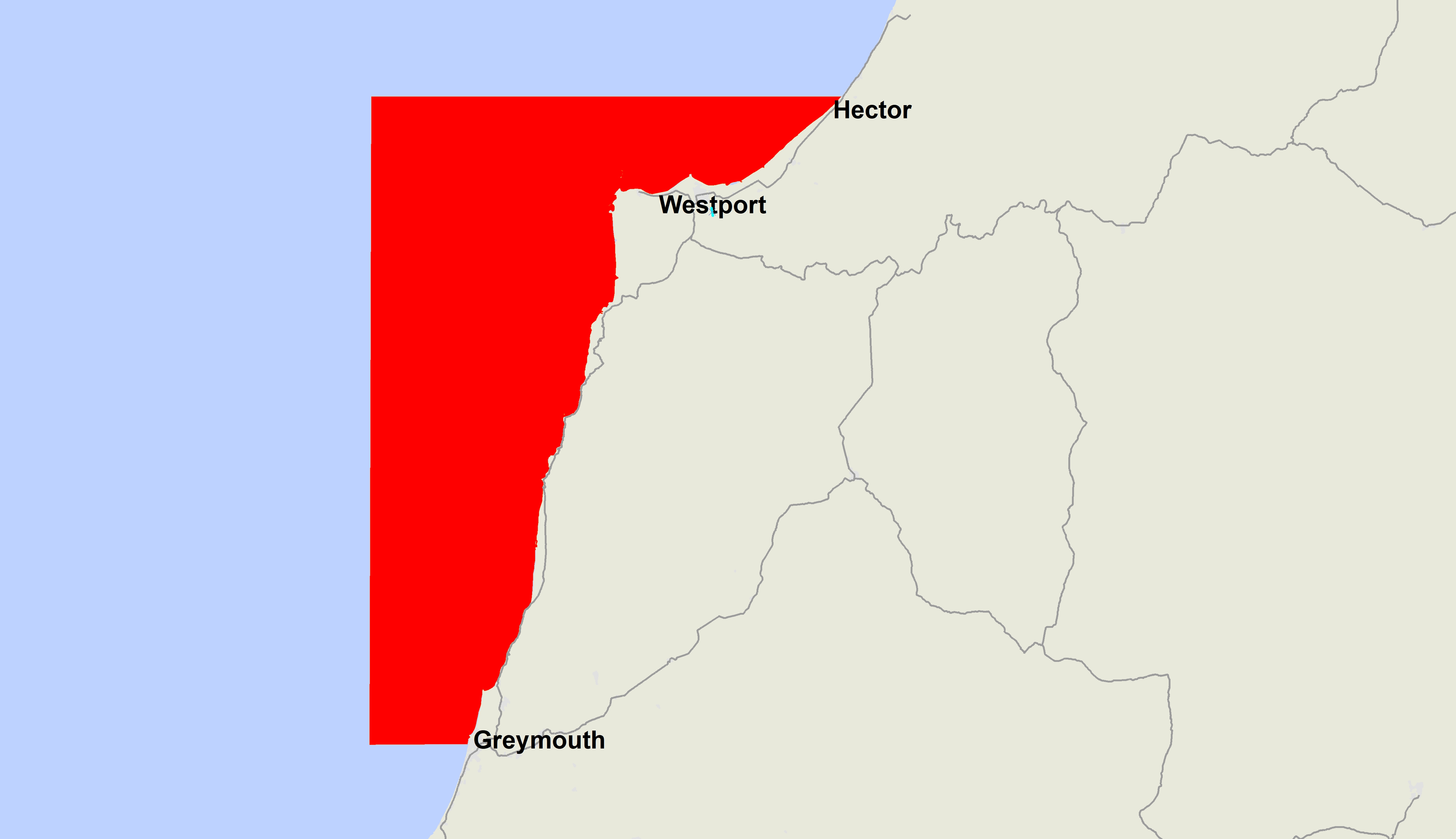
The Ministry for Primary Industries (MPI) today extended the public health warning advising the public not to collect or consume shellfish harvested from the South Island West Coast between Greymouth and Hector.

Routine tests on shellfish samples taken from this region has shown levels of Diarrhetic Shellfish Toxins above the safe limit of 0.16 mg/kg set by MPI.  Anyone eating shellfish from this area is potentially at risk of illness.

Map highlighting in red the areas affected.

MPI

The Ministry for Primary Industries (MPI) today issued a public health warning against collecting shellfish in the Pelorus Sound, excluding the upper Kenepuru Sound. The warning extends outwards to a line from Paparoa Point to Culdaff Point.

Routine tests on shellfish samples taken from this region have shown levels of paralytic shellfish poisoning (PSP) toxins above the safe limit of 0.8 mg/kg set by MPI. Anyone eating shellfish from this area is potentially at risk of illness.

Map highlighting in red the areas affected.

New Zealand – Shellfish biotoxin alert – South Island West Coast region

MPI Mussels

The Ministry for Primary Industries (MPI) today issued a public health warning advising the public not to collect or consume shellfish harvested from between Hector south to Greigs on the South Island West Coast.

Routine tests on shellfish samples taken from Cape Foulwind has shown levels of diarrhetic shellfish toxins above the safe limit of 0.16 mg/kg set by MPI.  Anyone eating shellfish from this area is potentially at risk of illness.

Ongoing testing will continue and any changes will be communicated accordingly.

Mussels, oysters, tuatua, pipi, toheroa, cockles, scallops, catseyes, kina (sea urchin) and all other bivalve shellfish should not be eaten.

Note: cooking shellfish does not remove the toxin.

Map highlighting in red the areas affected.

New Zealand – Shellfish biotoxin alert – Northland East Coast region

MPI

The Ministry for Primary Industries (MPI) today reduced the area affected by the public health warning against collecting shellfish on the Northland East Coast to the area between Kokota (The Sandspit) and Farmer Point.

Routine tests on shellfish samples taken from this region have shown levels of Paralytic Shellfish Poisoning (PSP) toxins above the safe limit of 0.8 mg/kg set by MPI. Anyone eating shellfish from this area is potentially at risk of illness.

Mussels, oysters, tuatua, pipi, toheroa, cockles, scallops, catseyes, kina (sea urchin) and all other bivalve shellfish should not be eaten.

Note: cooking shellfish does not remove the toxin.

Pāua, crab and crayfish may still be eaten if the gut has been completely removed prior to cooking, as toxins accumulate in the gut. If the gut is not removed its contents could contaminate the meat during the cooking process.

Symptoms typically appear between 10 minutes and 3 hours after ingestion and may include:

  • numbness and a tingling (prickly feeling) around the mouth, face, and extremities (hands and feet)
  • difficulty swallowing or breathing
  • dizziness
  • headache
  • nausea
  • vomiting
  • diarrhoea
  • paralysis and respiratory failure and in severe cases, death.

Map highlighting in red the areas affected.

New Zealand – Shellfish biotoxin alert – Bay of Plenty and Waikato region

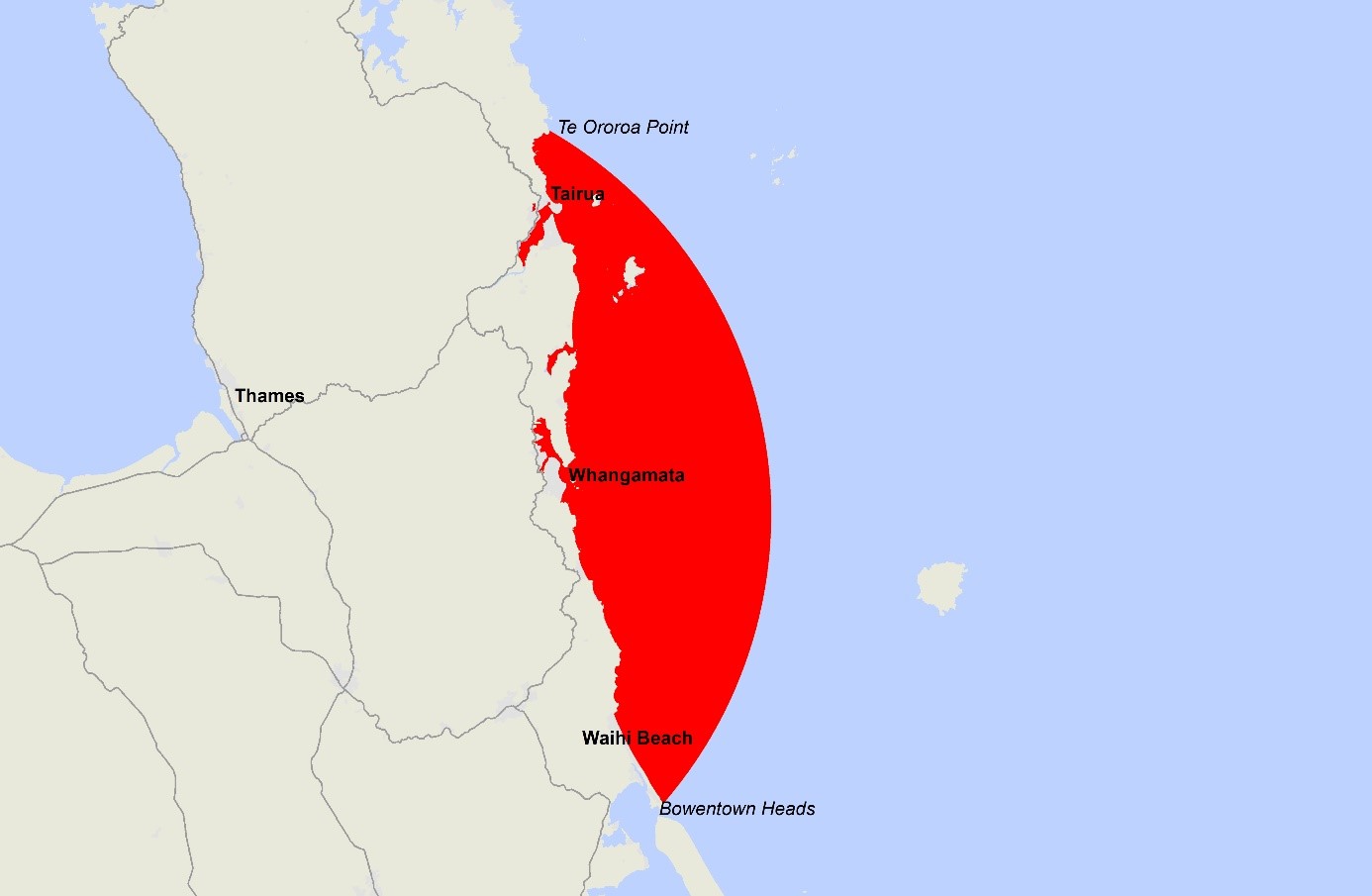
MPI Map highlighting in red the areas affected.

The Ministry for Primary Industries (MPI) today issued a public health warning advising the public not to collect or consume shellfish harvested from the Bay of Plenty/Waikato region from Te Ororoa Point, just north of Tairua, down to Bowentown Heads but not including Tauranga Harbour.

Routine tests on shellfish samples taken from this region have shown levels of Paralytic Shellfish Poisoning (PSP) toxins above the safe limit of 0.8 mg/kg set by MPI. Anyone eating shellfish from this area is potentially at risk of illness.

Mussels, oysters, tuatua, pipi, toheroa, cockles, scallops, catseyes, kina (sea urchin) and all other bivalve shellfish should not be eaten.

Note: Cooking shellfish does not remove the toxin.

Pāua, crab and crayfish may still be eaten if the gut has been completely removed prior to cooking, as toxins accumulate in the gut. If the gut is not removed its contents could contaminate the meat during the cooking process.

Symptoms typically appear between 10 minutes and 3 hours after ingestion and may include:

  • numbness and tingling (prickly feeling) around the mouth, face, and extremities (hands and feet)
  • difficulty swallowing or breathing
  • dizziness
  • a headache
  • nausea
  • vomiting
  • diarrhoea
  • paralysis and respiratory failure and in severe cases, death.