Do not use, sell, serve or distribute the affected product.
Adonis brand Classic Hummus recalled due to yeast.
Do not use, sell, serve or distribute the affected product.
Adonis brand Classic Hummus recalled due to yeast.

Product category
Food
Product subcategory
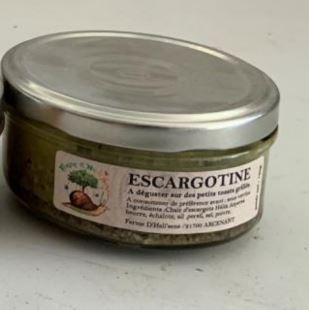
Snails and frogs
Product brand name
HELI’SENS Farm
Model names or references
Provençal-style escargotine Bourguignone-style escargotine
Product identification
Batch Date
1526 Minimum durability date 11/30/2025
Packaging
Verrine 190TO82, net mass: 120g
Start/end date of marketing
From 11/25/2023 to 03/06/2024
Storage temperature
Product to be stored at room temperature
Health mark
25,056,058
Further information
Snail spread from lot 1526 to be found under the glass.
Geographical sales area
Departments: COTE-D’OR (21)
Distributors
Direct sale by Ferme d’Heli’Sens
Scientists from the Quadram Institute and UK Health Security Agency have discovered that bacterial populations remain stable on factory floor despite cleaning efforts in ready-to-eat food production facilities.
In 2019, six people died from a listeria outbreak caused by contaminated ready-to-eat foods served in a number of hospitals across the UK. In light of this, scientists are now performing vital research which helps to understand how these pathogens can persist in ready-to-eat food preparation environments.
The results showed that the populations of bacteria that coexist with L. monocytogenes were stable over time and have adapted to the conditions on the factory floor, including food safety controls. Maria Diaz from the Quadram Institute and lead of the study explains, “as L. monocytogenes is supported by a stable community of other bacteria, we may now need to develop new strategies to alter the whole bacterial population to effectively eliminate the pathogen.”

Product category
Food
Product subcategory
Meats
Product brand name
Unbranded
Model names or references
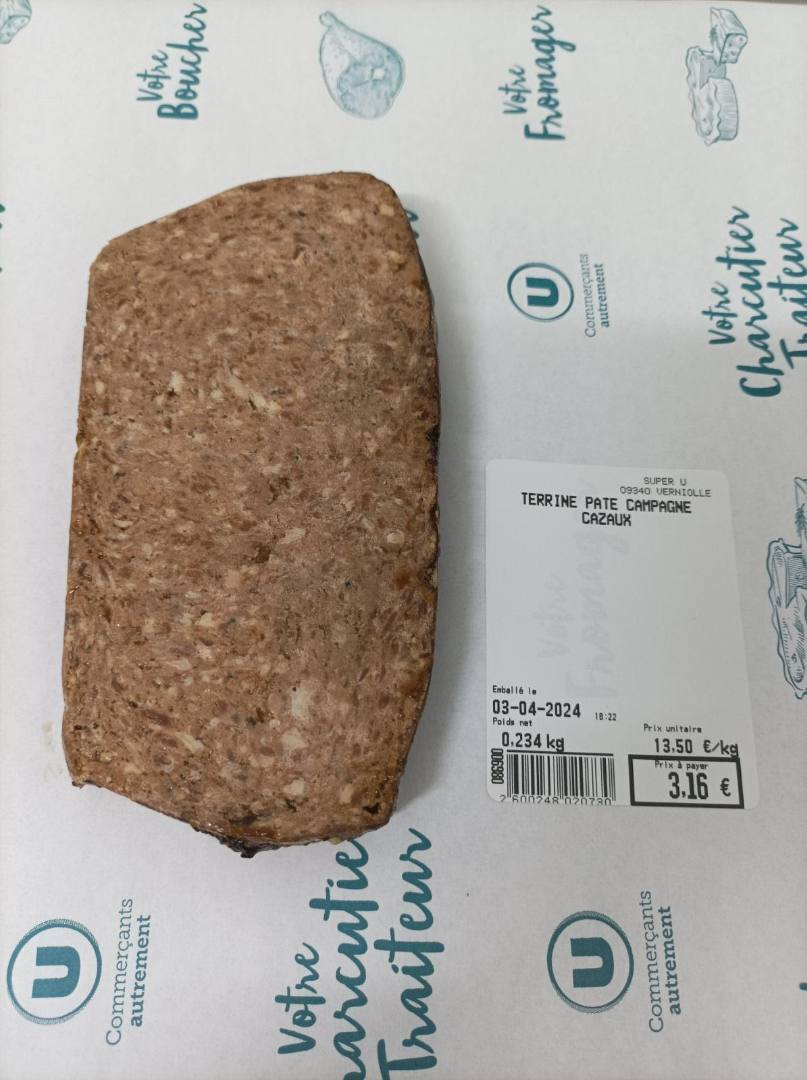
André Cazaux country pâté.
Product identification
GTIN Batch Date
3505870000282 407920 Use-by date 04/14/2024
Packaging
Under a vacuum.
Start/end date of marketing
From 03/25/2024 to 04/01/2024
Storage temperature
Product to keep in the refrigerator
Further information
Product sold by the cut in the store’s traditional charcuterie section from 03/25 to 03/30 and over-the-counter, vacuum-sealed from 03/25 to 04/01.
Geographical sales area
Super U Verniolle
Distributors
Super U Verniolle
Posted in food contamination, food handler, Food Hazard, Food Hygiene, Food Inspections, Food Micro Blog, Food Microbiology, Food Microbiology Blog, Food Microbiology Testing, Food Pathogen, Food Quality, food recall, Food Safety, Food Safety Alert, Food Safety Management, Food Safety Regulations, Listeria, Listeria France, Listeria monocytogenes

Product category
Food
Product subcategory
Meats
Product brand name
Traditional
Model names or references
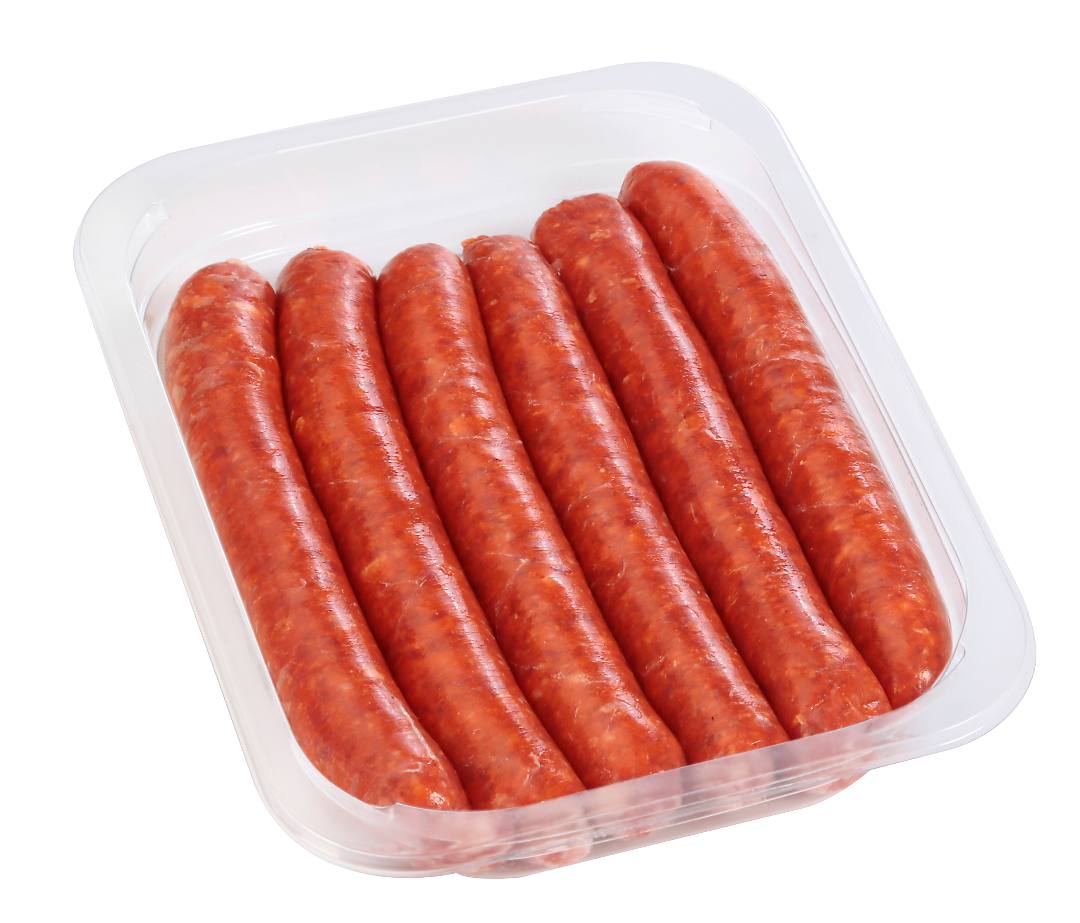
Merguez x6 Merguez x12 Merguez x25 Merguez (traditional department)
Product identification
GTIN Batch Date
3608568200251 A4087005 Use-by date 04/05/2024
3608568200268 A4087005 Use-by date 04/05/2024
3608568390907 A4087005 Use-by date between 04/17/2024 and 04/19/2024
3608568350031 A4087555 Use-by date between 04/06/2024 and 04/07/2024
3608568390518 A4087005 Use-by date between 04/03/2024 and 04/04/2024
Packaging
Plastic tray under protective atmosphere Polystyrene box
Start/end date of marketing
From 03/27/2024 to 03/29/2024
Storage temperature
Product to keep in the refrigerator
Health mark
FR 42-305-004 CE
Geographical sales area
Whole France
Distributors
U system – Leclerc – Wholesalers
Posted in food contamination, food handler, Food Hazard, Food Hygiene, Food Inspections, Food Micro Blog, Food Microbiology, Food Microbiology Blog, Food Microbiology Testing, Food Pathogen, Food Quality, food recall, Food Safety, Food Safety Alert, Food Safety Management, Food Safety Regulations, Food Testing, Salmonella
Morrisons is taking the precautionary action of extending their recall of The Best Taleggio because Listeria monocytogenes has been found in the product.
This product recall has been updated to include more ‘use by’ dates.
| Pack size | 200g |
|---|---|
| Use by | All date codes up to and including 28 April 2024 |
The presence of Listeria monocytogenes in the product listed above.
Symptoms caused by this organism can be similar to flu and include high temperature, muscle ache or pain, chills, feeling or being sick and diarrhoea. However, in rare cases, the infection can be more severe, causing serious complications, such as meningitis.
Some people are more vulnerable to listeria infections, including those over 65 years of age, pregnant women and their unborn babies, babies less than one month old and people with weakened immune systems.
Posted in food contamination, food handler, Food Hazard, Food Hygiene, Food Inspections, Food Micro Blog, Food Microbiology, Food Microbiology Blog, Food Microbiology Testing, Food Pathogen, Food Quality, food recall, Food Safety, Food Safety Alert, Food Safety Management, Food Safety Regulations, Food Testing, fsa, Listeria, Listeria monocytogenes
Listeria monocytogenes can form biofilms, which enables it to persist in the food industry and poses a significant threat to food safety. The combination of nisin (NS) and sesamol (SE) has been found to inhibit the proliferation of L. monocytogenes. The objective of this study is to evaluate the effects of the combined use of NS and SE on the biofilm formation of L. monocytogenes and investigate the potential underlying mechanisms. The results showed that the combination of NS and SE completely inhibited the biofilm formation of both strains on the stainless steel sheet within 48 h. The existing L. monocytogenes biofilm on the stainless steel sheet was completely removed within 4 h after the combined treatment of NS and SE. Compared with individual treatment, the combined use of NS and SE resulted in a more significant downregulation in gene expression of fbpA, which is associated with L. monocytogenes biofilm formation. The findings suggest that the combined strategy of NS and SE in food processing has greater potential to control the formation of L. monocytogenes biofilms and eliminate existing ones, compared with using NS or SE alone.
Date: 02.04.2024 Display until: 23.04.2024 VOLUNTARY PRODUCT RECALL Bucharest, Romania, 02.04.2024. The manufacturer GEKA recalls the product “Culinea Chicken nuggets 500 g” with the expiry date 06.02.2025, from batch no. ED06.02.2024 049502204849, with suspected presence of Salmonella. In the case of the concerned batch, the presence of salmonella bacteria in the product cannot be excluded.
Posted in ANSVSA, food contamination, food handler, Food Hazard, Food Hygiene, Food Inspections, Food Micro Blog, Food Microbiology, Food Microbiology Blog, Food Microbiology Testing, Food Pathogen, Food Quality, food recall, Food Safety, Food Safety Alert, Food Safety Management, Food Safety Regulations, Food Testing, Salmonella
Notice to the consumer public about the collection of a product from the Wily Food brand – green soybeans in frozen pods 1 kg
Importer Gold Frost Ltd. wishes to inform its customers that as a follow-up to the proactive inspection carried out by the company, an abnormality was discovered
In the result of the Listeria monocytogenes test in the following product:
Edema – green soybeans frozen in pods
Weight: 1 kg
Expiry date: 06.12.2025
Barcode: 7290012483011
Manufacturer’s name: Zeinzg Kingshore Foods Co Ltd – China
The company asks anyone who purchased the product from the aforementioned validity not to consume it.
The bacterium Listeria monocytogenes is a bacterium that can cause disease in high-risk populations such as: those with a weakened immune system,
the elderly and cause miscarriages in pregnant women.
In coordination with the food service, Central District of the Ministry of Health, the company collects the product.
Posted in food contamination, food handler, Food Hazard, Food Hygiene, Food Inspections, Food Micro Blog, Food Microbiology, Food Microbiology Blog, Food Microbiology Testing, Food Pathogen, Food Quality, food recall, Food Safety, Food Safety Alert, Food Safety Management, Food Safety Regulations, Food Testing, Listeria, Listeria monocytogenes
New Zealand Food Safety is directing a recall of all raw fruit juice from Our Fruit Box or OFB and is advising people not to consume the product.
“This raw fruit juice presents a food safety risk because it has not been through the required checks and balances to make sure it is safe to consume,” says New Zealand Food Safety’s deputy director-general Vincent Arbuckle.
“The company making these juices has not been registered under the Food Act, so consumers cannot be certain that risks have been properly identified and managed.
“The product is a raw fruit juice and for that reason food safety controls are crucial. Without proper controls during processing of food, pathogens can enter the product.
“Pathogens such as Shiga toxin-producing E. coli (STEC), Salmonella, Cryptosporidium and norovirus can be present in the juice, making it unsafe to consume, particularly for people who are young, older, pregnant or with weakened immune systems.”
The recalled raw juice has limited identifying labelling or branding and may be sold in 20 litre plastic containers labelled ‘OFB’ and in unlabelled bottles of different shapes and sizes.
Available information suggests the raw fruit juice has been available for sale through informal sellers, door-to-door through businesses, local markets and online on their website.
“If you have bought this product – either labelled OFB or Our Fruit Box, or with limited or no identifying labelling or branding – do not consume it and throw it out,” says Mr Arbuckle.
“If you are unsure of whether an unlabelled product you have bought is OFB, ask the supplier.”
For more information and food safety advice, refer to the New Zealand Food Safety webpage:
Warning about Our Fruit Box raw fruit juices
If you have any concerns about these products, call MPI’s consumer helpline on 0800 00 83 33.
There have been no reports of associated illness to date.
If you have consumed this product and have any health concerns, seek medical advice. Contact your health professional or call Healthline on 0800 61 11 16.
For more information, email NZFoodSafety_media@mpi.govt.nz
Posted in Uncategorized