Category Archives: Technology

Research – Culture-Independent Evaluation of Bacterial Contamination Patterns on Pig Carcasses at a Commercial Slaughter Facility

Journal of Food Protection

ABSTRACT

Traditionally, the microbiological status of meat is determined by culture-based techniques, although many bacteria are not able to grow on conventional media. The aim of this study was to obtain quantitative data on total bacterial cell equivalents, as well as taxa-specific abundances, on carcass surfaces during pig slaughter using quantitative real-time PCR. We evaluated microbial contamination patterns of total bacteria, Campylobacter, Escherichia coli, Lactobacillus group, Listeria monocytogenes, Salmonella, and Pseudomonas species throughout slaughtering and on different carcass areas. In addition, we compared contamination levels of breeding sow carcasses with fattening pig carcasses, and we assessed the efficacy of carcass polishing machines under two water amount conditions. Our results demonstrate that relevant meat-spoilage organisms show similar contamination patterns to total bacteria. The highest bacterial load was detected in the stunning chute (4.08 × 10⁵ bacterial cell equivalents per cm2) but was reduced by 3 log levels after singeing and polishing (P < 0.001). It increased again significantly by a 4.73-fold change until the classification step. Levels of Campylobacter, Lactobacillus, and Pseudomonas species and of E. coli followed a similar trend but varied between 0 and 2.49 × 10⁴ bacterial cell equivalents per cm2. Microbial levels did not vary significantly between sampled carcass areas for any analyzed taxa. Running the polishing machine with a low water amount proved to be less prone to microbial recontamination compared with a high water amount (17.07-fold change, P = 0.024). In the studied slaughterhouse, slaughter of breeding sows did not produce microbiologically safe meat products (>104 cells per cm2) and the implementation of specific hazard analysis critical control point systems for the slaughter of breeding sows should be considered. A larger cohort from different abattoirs is needed to confirm our results and determine whether this is universally valid.

HIGHLIGHTS
  • Spoilage bacteria maintain consistent populations throughout slaughtering.

  • Greater water volume during polishing creates higher bacterial populations on carcasses.

  • Microbial populations on breeding sows are higher compared with fattening pigs.
Research – Your energy-efficient washing machine could be harbouring pathogens

Science Daily 

For the first time ever, investigators have identified a washing machine as a reservoir of multidrug-resistant pathogens. The pathogens, a single clone of Klebsiella oxytoca, were transmitted repeatedly to newborns in a neonatal intensive care unit at a German children’s hospital. The transmission was stopped only when the washing machine was removed from the hospital. The research is published this week in Applied and Environmental Microbiology, a journal of the American Society for Microbiology.

Research -Interaction of Gaseous Chlorine Dioxide and Mild Heat on the Inactivation of Salmonella on Almonds

Journal of Food Protection

ABSTRACT

The interactive effects of mild heat and gaseous chlorine dioxide (ClO2) on populations of Salmonella on almonds were studied. Almonds, dip inoculated with a two-strain cocktail of attenuated Salmonella Typhimurium, were treated with three concentrations of ClO2 at ambient temperature (ca. 22°C), and at 45, 50, 55, and 60°C for 4 h and with more than 90% relative humidity. Concentrations of ClO2 during treatments were measured, and populations of Salmonella were determined following treatments. Results demonstrated that ClO2 at concentrations of more than 4 mg/L and ambient temperature only reduced populations of Salmonella by 1.46 log CFU/g. With increasing treatment temperature, the efficacy of gaseous ClO2 increased. At 55 and 60°C, >1 mg/L ClO2, and a 4-h treatment time, >4 log CFU/g Salmonella was inactivated. Reductions greater than 4 log of the bacterium by gaseous ClO2 at 55°C were confirmed using a three-strain cocktail of pathogenic Salmonella. Overall, results demonstrated that mild heating is necessary for gaseous ClO2 to achieve more than 4 log CFU/g inactivation of Salmonella on almonds.

HIGHLIGHTS
  • ClO2 applied at ambient temperature achieves less than 2-log reductions of Salmonella.

  • Mild heat and ClO2 have a synergistic effect on the reduction of Salmonella.

  • Surrogate Salmonella Typhimurium and pathogenic Salmonella behave similarly to ClO2 and heat.

Research – Effect of Tartary Buckwheat Peptides on Shelf Life of Tilapia (Oreochromis niloticus) Fillets

Journal of Food Protection

ABSTRACT

Tartary buckwheat peptides (TBPs), produced from tartary buckwheat through solid-state fermentation, were used as a dip treatment solution to preserve tilapia fillets. Fillets were dip treated with different concentrations of TBPs (0.5, 1, and 2% [v/v]) and stored at 4°C for 12 days. The effect of TBPs on thiobarbituric acid, total volatile base nitrogen, surface color, texture profile analysis, total viable counts, and changes in sensory properties of tilapia fillets during storage was investigated. Compared with the control group, the groups treated with TBPs displayed reduced rates of quality deterioration in physicochemical, bacteriological, and sensory characteristics. Based on total volatile base nitrogen content, total viable counts, and sensory scores, the shelf life of control tilapia fillets was 4 days and that for TBP-treated fillets was 8 days, twice as long as that of the control group. Thus, TBPs can be used as preservatives to maintain the quality and extend the shelf life of tilapia fillets stored at 4°C.

Research – Comparison of pH effects on ohmic heating and conventional heating for inactivation of Escherichia coli O157:H7, Salmonella enterica Serovar Typhimurium and Listeria monocytogenes in orange juice

Science Direct

Highlights

Effect of pH on ohmic heating compared to conventional heating was investigated.

Adjusting pH has significant effect on the heating rate of ohmic heating.

Unusual tendency of pathogen inactivation was identified in ohmic heating.

Quality aspects of samples were not severely degraded regardless of pH.

Abstract

The objective of the current study is to identify the influence of acidity on ohmic heating compared to conventional heating for inactivation of food-borne pathogensin orange juice. For conventional heating, the heating rate was not significantly different (P > 0.05) regardless of pH and pathogens were inactivated more effectively at lower pH. However, different patterns were observed for ohmic heating. Although temperature and electrical conductivity were not greatly affected by lowering pH, temperature increased more rapidly with increasing pH due to higher electrical conductivity. Also, the inactivation patterns were significantly different (P < 0.05) from conventional heating. While Salmonella Typhimurium was inactivated most rapidly at pH 2.5, Escherichia coli O157:H7 and Listeria monocytogenes were inactivated most rapidly at pH 4.5. When pathogens were exposed to each heating method at a fixed temperature, additional effects of ohmic heating were not observed. Also, the overall quality of orange juice subjected to ohmic heating was not greatly affected at any pH level. Therefore, increasing as well as lowering pH can also be considered effective ways to optimize pasteurization of orange juice when using ohmic heating. The different characteristics of ohmic heating compared to conventional heating indicate the necessity of a new approach.

Research – Identification and genotyping of Listeria monocytogenes in the chicken shredding line

Wiley Online

Abstract

The present research was carried out to determine the presence of Listeria monocytogenes in the equipment, staff, and products in the chicken shredding facilities operating in Samsun, and to serotype and genotype the isolates by PCR and PFGE analysis, respectively. Of the total of 192 samples tested, 25 were found to be L. monocytogenes positive from which 51 isolates were acquired. In serotyping of the 51 isolates; 47 (92.2%) and four isolates (7.8%) were identified as 1/2a (3a) and 1/2c (3c), respectively. Twenty‐six of the 51 isolates (51%) were resistant to at least one antibiotic, and 13 (25.5%) were resistant to more than one antibiotic. In the PFGE evaluation, at least 80% similarity was taken as a basis, and in the dendrogram, it was determined as a result of restricting with the Apal enzyme that the isolates were distributed to 25 different clusters and 45 subsets, and as a result of restricting with the AscI enzyme, they were distributed to 29 different clusters and 36 subsets.

Practical Application

Listeria monocytogenes constitutes a major problem for the food industry due to its widespread availability in nature and its role as an environmental contaminant in food processing plants.

Research – Eugenol as an antimicrobial wash treatment reduces Campylobacter jejuni in postharvest poultry

Wiley Online

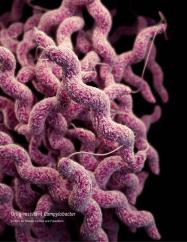
campy2

Image CDC

Abstract

The efficacy of the natural plant‐derived compound, eugenol (EG), as an antimicrobial wash treatment to reduce Campylobacter jejuni in postharvest poultry was investigated. The antimicrobial efficacy of EG was studied as a suspension, emulsion, or nanoemulsion treatment (two trials each). In each trial, chicken skin samples were inoculated with C. jejuni (∼7.2 Log CFU/sample), washed with treatments (0, 0.125, 0.25, 0.5, 1, or 2% EG corresponds to 0, 7.61, 15.22, 30.45, 60.90, or 121.8 mM, respectively) for 1 min, drip dried for 2 min, and then processed at 0, 8, and 24 hr of refrigerated storage (n = 5 samples/treatment/time point). All doses of the EG suspension consistently reduced C. jejuni counts with the greatest reduction (>2.0 Log CFU/sample) for the 2% dose when compared with controls (p < .05). EG emulsions or nanoemulsions did not provide any additional reduction in C. jejuni when compared to EG suspension. Our results suggest that EG could be an effective postharvest intervention strategy for reducing C. jejuni contamination on poultry products.

Practical Applications

Campylobacter jejuni, a leading cause of foodborne illness in humans, is strongly associated with the consumption of contaminated poultry products. Interventions reducing C. jejuni contamination in poultry would reduce the risk of subsequent human infections. In this study, the antimicrobial efficacy of eugenol was studied in three different delivery systems; suspension, emulsion, or nanoemulsion. Our results demonstrated that eugenol was effective in reducing C. jejuni counts on chicken skin and can be used as a potential strategy to reduce Campylobacter on poultry products.

Research – Growth Potential of Listeria monocytogenes in Chef-Crafted Ready-to-Eat Fresh Cheese-Filled Pasta Meal Stored in Modified Atmosphere Packaging

Journal of Food Protection

ABSTRACT

This study evaluated the growth of lactic acid bacteria (LAB) in a fresh, filled-pasta meal, stored in modified atmosphere packaging and the influence of lactic acid (LA) and pH on the growth of Listeria monocytogenes (Lm). Samples were taken from three lots manufactured by a local catering company and stored at both 6 and 14°C. LAB numbers, LA concentration, pH, and the presence of Lm were evaluated at 1, 4, 6, 8, 10, 12, and 14 days of shelf life and the undissociated LA concentration ([LA]) was calculated. The LAB maximum cell density was greater in the products stored at 14°C than those stored at 6°C (10.1 ± 1.1 versus 5.6 ± 1.5 log CFU/g) and [LA] at 14 days was 9 to 21 ppm at 6°C and 509 to 1,887 ppm at 14°C. Challenge tests were made to evaluate the interference of LAB and [LA] on Lm growth. Aliquots of the samples (25 g) were inoculated at 1 to 10 days of shelf life and incubated at 9°C for 7 days, and the difference between Lm numbers at the end and at the beginning of the test (δ) was calculated. Logistic regression was used to model the probability of growth of Lm as a function of LAB and [LA]. The products inoculated at 1 day of shelf life had δ values between 4.2 and 5.6 log CFU/g, but the growth potential was progressively reduced during the shelf life. Lm growth was never observed in the products stored at 14°C. In those stored at 6°C, it grew only in the samples with LAB <5.7 log CFU/g. LAB interaction might thus inhibit the growth of Lmin temperature-abused products and limit its growth in refrigerated products. Logistic regression estimated that the probability of Lm growth was <10% if LAB was >6.6 log CFU/g or log[LA] was >2.2 ppm. The growth or inactivation kinetic of Lm was investigated with a homogenate of three samples with LAB numbers close to the maximum population density. After an initial growth, a subsequent reduction in the number of Lm was observed. This means that the maximum numbers of Lm might not be detected at the end of the product shelf life.

HIGHLIGHTS
  • MAP and refrigeration were found to be a fruitful hurdle in filled-pasta meals.

  • Higher growth of LAB at 14°C negatively affected the growth potential of Listeria sp.

  • Listeria sp. numbers might decline after an initial growth during the shelf life.

  • The maximum number of Listeria sp. is not always at the end of the product shelf life.

Research – Thermal Inactivation Kinetics of Three Heat-Resistant Salmonella Strains in Whole Liquid Egg

Journal of Food Protection

ABSTRACT

The heat resistance of three heat-resistant strains of Salmonella was determined in whole liquid egg (WLE). Inoculated samples in glass capillary tubes were completely immersed in a circulating water bath and held at 56, 58, 60, 62, and 64°C for predetermined lengths of time. The recovery medium was tryptic soy agar with 0.1% sodium pyruvate and 50 ppm of nalidixic acid. Survival data were fitted using log-linear, log-linear with shoulder, and Weibull models using GInaFiT version 1.7. Based on the R2 and mean square error, the log-linear with shoulder and Weibull models consistently produced a better fit to Salmonella survival curves obtained at these temperatures. Contaminated WLE must be heated at 56, 60, and 64°C for at least 33.2, 2.7, and 0.31 min, respectively, to achieve a 4-log reduction of Salmonella; 39.0, 3.1, and 0.34 min, respectively, for a 5-log reduction; and 45.0, 3.5, and 0.39 min, respectively, for a 6-log reduction. The z-values calculated from the D-values were 3.67 and 4.18°C for the log-linear with shoulder and Weibull models, respectively. Thermal death times presented in this study will be beneficial for WLE distributors and regulatory agencies when designing pasteurization processes to effectively eliminate Salmonella in WLE, thereby ensuring the microbiological safety of the product.

HIGHLIGHTS
  • The thermal resistance of Salmonella strains in WLE was determined at 56 to 64°C.

  • A 5-log reduction at 60 and 64°C required 3.1 and 0.34 min, respectively.

  • The calculated z-value was 3.67°C for the log-linear model and 4.18°C for the Weibull model.

  • These results will assist WLE processors when determining pasteurization regimens.

Research – Outbreak of Escherichia coli O157:H7 Infections Linked to Mechanically Tenderized Beef and the Largest Beef Recall in Canada, 2012

Journal of Food Protection

ABSTRACT

Contaminated beef is a known vehicle of Escherichia coli O157:H7 infection, although more attention is given to the control of E. coli O157:H7 in ground, rather than whole-cut, beef products. In September 2012, an investigation was initiated at an Alberta, Canada, beef plant after the detection of E. coli O157:H7 in two samples of trim cut from beef originating from this plant. Later in September 2012, Alberta Health Services identified five laboratory-confirmed infections of E. coli O157:H7, and case patients reported eating needle-tenderized beef steaks purchased at a store in Edmonton, Alberta, produced with beef from the Alberta plant. In total, 18 laboratory-confirmed illnesses in Canada in September and October 2012 were linked to beef from the Alberta plant, including the five individuals who ate needle-tenderized steaks purchased at the Edmonton store. A unique strain of E. coli O157:H7, defined by molecular subtyping and whole genome sequencing, was detected in clinical isolates, four samples of leftover beef from case patient homes, and eight samples of Alberta plant beef tested by industry and food safety partners. Investigators identified several deficiencies in the control of E. coli O157:H7 at the plant; in particular, the evaluation of, and response to, the detection of E. coli O157 in beef samples during routine testing were inadequate. To control the outbreak, 4,000 tons of beef products were recalled, making it the largest beef recall in Canadian history. This outbreak, in combination with similar outbreaks in the United States and research demonstrating that mechanical tenderization can transfer foodborne pathogens present on the surface into the interior of beef cuts, prompted amendments to Canada’s Food and Drug Regulations requiring mechanically tenderized beef to be labeled as such and to provide safe cooking instructions to consumers. A detailed review of this event also led to recommendations and action to improve the safety of Canada’s beef supply.

HIGHLIGHTS
  • Mechanically tenderized beef steaks linked to E. coli O157 illnesses in Canada.

  • Largest beef recall in Canada underscores importance of plant-level E. coli controls.

  • Outbreak of E. coli O157 infections prompts food safety improvements in Canada.