Category Archives: Salmonella

RASFF Alerts – Salmonella – Soya Bean Meal – Fish Meal – Chicken – Turkey

RASFF – Salmonella spp. (presence /25g) in soybean meal from Argentina in Italy

RASFF – Salmonella spp. (in 1out 5 samples) in fish meal from Morocco in Latvia

RASFF – Salmonella Heidelberg (presence /25g) in salted chicken from Brazil in the Netherlands

RASFF – Salmonella Agona (presence /25g) in frozen turkey meat preparation from Brazil in the Netherlands

RASFF – Salmonella enterica (presence /25g) in frozen turkey meat from Brazil in the Netherlands

RASFF – Salmonella enterica (S. enterica subsp. enterica serotype Heidelberg) in frozen salted chicken breast fillets from Brazil in the Netherlands

RASFF – Salmonella Heidelberg (presence /25g) in frozen chicken legs from Brazil in Spain


Canada – Tahina Recall – Possible Salmonella

CFIAEurofins Food Testing UK

The Canadian Food Inspection Agency (CFIA) is warning the public not to consume the Clic brand Tahina (Paste made from Sesame Seeds) described in the link above because it may be contaminated with Salmonella.

There have been no reported illnesses associated with the consumption of this product.

The CFIA is working with the importer to remove the affected product from the marketplace. The CFIA is monitoring the effectiveness of the recall.

RASFF Alerts – Aflatoxins – Groundnuts – Listeria monocytogenes – Smoked Salmon – Salmonella – Frozen Chicken

RASFF – Aflatoxins (B1 = 49; Tot. = 60 µg/kg – ppb) in groundnuts from Brazil in the Netherlands

RASFF – Aflatoxins (B1 = 18; Tot. = 21 µg/kg – ppb) in groundnuts from Brazil in the Netherlands

RASFF – Listeria monocytogenes (<10; 110; <10; 91; 131 CFU/g) in chilled smoked salmon from France in Italy

RASFF – Salmonella spp. (presence /25g) in frozen chicken meat from Brazil in Spain

RASFF – Salmonella enteritidis (present in 5 out of 5 samples /25g) in chilled chicken quarters from Slovakia, with raw material from Poland in Slovakia


USA – FDA – Recall Pet Food – Possible Salmonella

FDA

Natura Pet Products is voluntarily recalling specific lots of dry pet food because it has the potential to be contaminated with Salmonella.

Salmonella can affect animals eating the products and there is risk to humans from handling contaminated pet products, especially if they have not thoroughly washed their hands after having contact with the products or any surfaces exposed to these products.

Healthy people infected with Salmonella should monitor themselves for some or all of the following symptoms: nausea, vomiting, diarrhea or bloody diarrhea, abdominal cramping and fever. Rarely, Salmonella can result in more serious ailments, including arterial infections, endocarditis, arthritis, muscle pain, eye irritation, and urinary tract symptoms. Consumers exhibiting these signs after having contact with this product should contact their healthcare providers.

Pets with Salmonella infections may be lethargic and have diarrhea or bloody diarrhea, fever, and vomiting. Some pets will have only decreased appetite, fever and abdominal pain. Infected but otherwise healthy pets can be carriers and infect other animals or humans. If your pet has consumed the recalled product and has these symptoms, please contact your veterinarian.

These products were packaged in a single production facility. During routine FDA testing, a single lot tested positive for the presence of Salmonella. There have been no reports of pet or human illness associated with this product. In an abundance of caution, Natura is voluntarily recalling all products with expiration dates prior to June 10, 2014.

The affected products are sold in bags through veterinary clinics, select pet specialty retailers, and online in the United States and Canada. No canned wet food is affected by this announcement.

USA – Organic Oregano Recall – Salmonella

Food Safety News

California company is recalling 1,075 cases of its organic oregano because the product may be contaminated with Salmonella.

Olde Thompson Inc. of Oxnard, CA issued a voluntary recall of its Earth’s Pride Organics brand Organic Oregano — sold exclusively at BJ’s Wholesale — on Friday after the bacteria was discovered as a result of routine sampling.

The product was sold in a 2.2 oz. jar glass jar at BJ’s locations in Connecticut, Delaware, Florida, Georgia, Maine, Maryland, Massachusetts, New Hampshire, New Jersey, New York, North Carolina, Ohio, Pennsylvania, Rhode Island and Virginia between January 1 and July 10 of this year.

Affected lot numbers include 060367, 060692, 061252 and 061864. These numberscan be found on the bottom of the jar.

No illnesses have been linked to consumption of the product to date.

USA – FDA – Pistachio’s – Salmonella

FDASalmonella

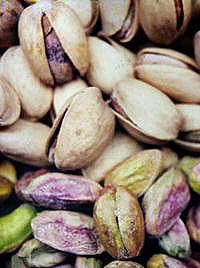
Torn and Glasser, Inc of Los Angeles, CA  90021 is voluntarily recalling some packaged Pistachios because it has the potential to be contaminated with Salmonella, an organism which can cause serious and sometimes fatal infections in young children, frail or elderly people, and others with weakened immune systems. Healthy persons infected with Salmonella often experience fever, diarrhea (which may be bloody), nausea, vomiting and abdominal pain. In rare circumstances, infection with Salmonella can result in the organism getting into the bloodstream and producing more severe illnesses such as arterial infections (i.e., infected aneurysms), endocarditis and arthritis.

This decision to recall was made due to the expanded recall of pistachio products by ARO pistachio (Upgraded from a Class II to a Class I) due to the potential of contamination with Salmonella.  The Torn and Glasser recalled products contain pistachios supplied by the ARO processing plant located in Terra Bella Ca 93270.

The recalled product was distributed from February 21, 2012 to April 29, 2013 in CA, AZ, and HI.

Research – Controlling Salmonella and Listeria with Marinades

Science DirectEurofins Food Testing UK

The effect of marination on the survival and growth of the pathogens Salmonella enterica and Listeria monocytogenes on beef pieces was investigated.

Five marinades were used: soy sauce base marinade without (SB) or with lactic acid (SBLA), red wine base marinade without (WB) or with 0.5% v/v oregano essential oil (WBO), and sterile saline used as control (C). Inoculated fresh beef pieces were marinated for 18 h at 5 °C, removed from the marinade and subjected to storage trials at 5 °C and 15 °C. Heat inactivation studies were also performed on the isolates after exposure to the marinades to determine if marination affects heat resistance of the pathogens.

The marinades with antimicrobials caused a significant decrease in viable count of the pathogens during marinations at 5 °C for 18 h of up to 2.1 and 3.4 log cfu cm−2 for Salmonella and L. monocytogenes, respectively. Marinades without antimicrobials were less bactericidal resulting to reductions ranging from 0.3 to 0.4 and 1.3 to 2.0 log cfu cm−2 for Salmonella and L. monocytogenes, respectively. Growth of L. monocytogenes was observed in the controls at both tested temperatures, while growth of Salmonella was observed in the controls stored at 15 °C. No growth of the pathogens was observed in any of the marinated samples at both temperature tested. No significant changes of heat resistance of the tested pathogens after exposure to the marinades were observed demonstrating the enhanced safety of the marinated beef product.

RASFF Alerts – Salmonella – Sesame Seeds – Poultry – Whole Chickens

RASFF – Salmonella Tennessee (presence /25g) in hulled sesame seeds from India in Greece

RASFF – Salmonella Tennessee (presence /25g) in hulled sesame seeds from India in Greece

RASFF – Salmonella enterica (presence /25g) in frozen poultry meat preparations (Aves) from Brazil in the Netherlands

RASFF – Salmonella spp. (presence /25g) in frozen poultry meat preparations (Aves) from Brazil in the Netherlands

RASFF – Salmonella enteritidis in chilled whole chickens with neck and frozen trussed chickens from Poland in Bulgaria

USA Research – Whole Chickens from Farmers Markets – Higher Pathogen Risk

Science DailyimagesCAYZ5I84

Raw, whole chickens purchased from farmers markets throughout Pennsylvania contained significantly higher levels of bacteria that can cause foodborne illness compared to those purchased from grocery stores in the region, according to a small-scale study by researchers in Penn State’s College of Agricultural Sciences

Of 100 whole chickens purchased from farmers markets, 90 percent tested positive for Campylobacter and 28 percent harbored Salmonella.

By comparison, during the same period, 20 percent of raw, whole, organic chickens purchased from grocery stores were found to contain Campylobacter bacteria, and 28 percent tested positive for Salmonella. Just 8 percent of raw, whole, nonorganic, conventionally processed chickens from the grocery stores tested positive for Campylobacter and 52 percent of those contained Salmonella.

USA – FDA Recall – Pistachios – Salmonella

FDAPistachios_th

Western Mixers Produce & Nut Company of Los Angeles, California is recalling ARO and/or Treasured Harvest Pistachios, because it has the potential to be contaminated with Salmonella, an organism which can cause serious and sometimes fatal infections in young children, frail or elderly people, and others with weakened immune systems. Healthy persons infected with Salmonella often experience fever, diarrhea (which may be bloody), nausea, vomiting and abdominal pain. In rare circumstances, infection with Salmonella can result in the organism getting into the bloodstream and producing more severe illnesses such as arterial infections (i.e., infected aneurysms), endocarditis and arthritis.

Pistachios were distributed in: California, Nevada, Ohio and Utah; through Retail Stores, Mail Order and various Distributors during the dates of: October 17, 2012 – April 29, 2013.