Category Archives: Salmonella

USA- FDA – Investigations of Foodborne Illness Outbreaks

FDA

What’s New

  • A new outbreak of Listeria monocytogenes illnesses (ref #1247) linked to a not yet identified product has been added to the table. There are a total of 3 cases, and FDA has initiated traceback.
  • For the outbreak of Cyclospora cayetanensis illnesses (ref #1245) linked to a not yet identified product, the case count has increased from 21 to 35. FDA has initiated an inspection and sampling.
  • For the outbreak of Salmonella Newport (ref #1248) linked to a not yet identified product, the case count has increased from 3 to 4. FDA has initiated an inspection.
  • For the outbreak of Cyclospora cayetanensis (ref #1237), FDA has initiated sampling.
  • For the outbreak of Salmonella Irumu (ref #1235), the outbreak has ended, and FDA’s investigation has closed. CDC, FDA, and state and local partners conducted epidemiologic and traceback investigations and identified mangoes as the source of illnesses in this outbreak. FDA collected and analyzed product samples as part of the investigation, but all samples were reported as negative for Salmonella. Due to the lack of additional supporting evidence, investigators were unable to determine a specific source of contamination while the outbreak was considered ongoing. This outbreak is over. All product is past shelf life and is no longer on the market. There is no ongoing risk to public health.

USA – Outbreak Investigation of Salmonella: Cucumbers (June 2024) is Over.

FDA

Product

There is no product linked to illnesses on the market and no ongoing risk to the public.

Symptoms of Salmonella Infection

Symptoms include diarrhea, fever, and abdominal cramps. Illness usually occurs within 12 to 72 hours after eating contaminated food and usually lasts four to seven days. Children younger than five, the elderly, and people with weakened immune systems are more likely to have severe infections.

Status

Ended.

Recommendation

  • Product of concern is past shelf life.
  • Contact your healthcare provider if you think you may have symptoms of a Salmonella infection.

Czech Republic – Chicken breast cutlets – Salmonella

Potravinynapranyri

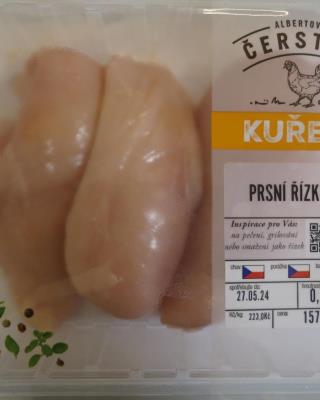
Illustrative photo #1

Place of inspection:
Hodonín ( Krátká 4088/2, 695 01 Hodonín )
ID: 44012373
Food group: Meat and meat products Packaged meat

Chicken breast cutlets
Category: Dangerous foods
Invalid parameter:

Salmonella

The presence of the pathogenic bacterium Salmonella Infantis , which can cause a disease called salmonellosis, was detected in the food  .

Expiration date: 27.05.24
Packaging: sealed plastic tub
Quantity of the product in the package: pc
Manufacturer: Poultry factory Klatovy as
Country of origin:  Czechia
Date of sample collection: 05/21/2024
Reference number: 24-000360-SZPI-CZ
The sample was detected by the official control of the State Agricultural and Food Inspection

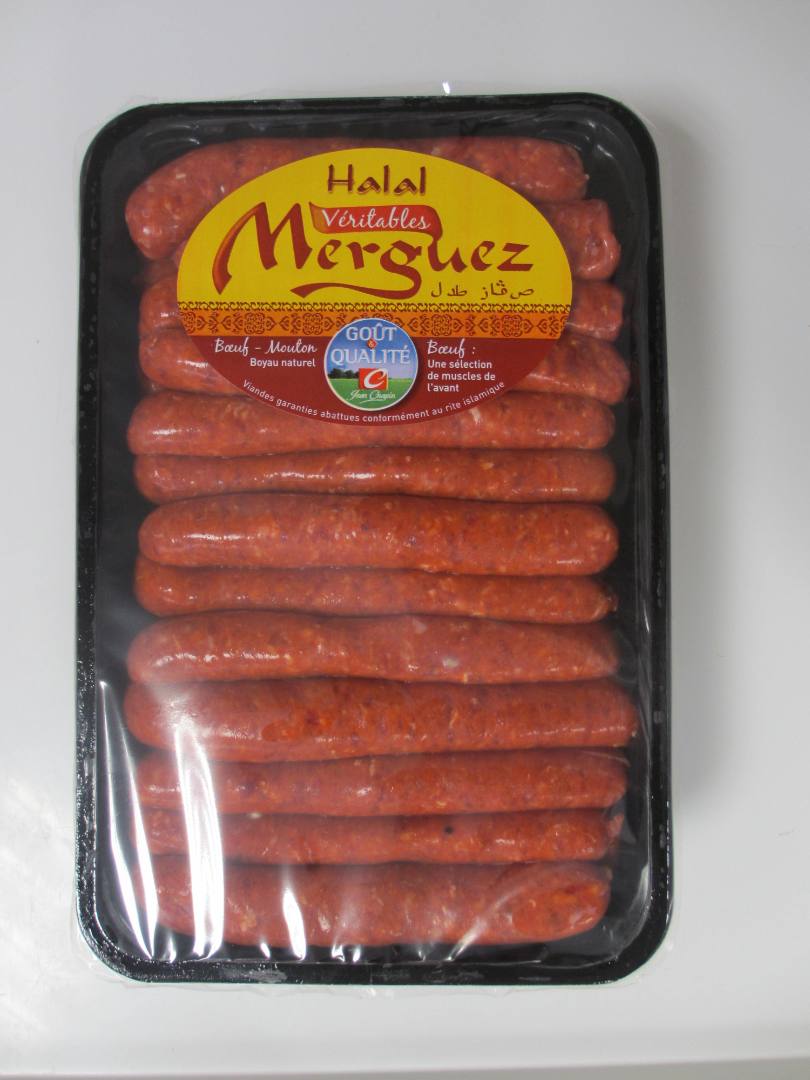
France – HALAL MERGUEZ – Salmonella

Gov France

Product Category
Food
Product subcategory
Meats
Product brand name
JEAN CHAPIN
Model names or references
763000 ; 763900
Product identification
GTIN Batch Date
3267417630009 770/242220017 Expiry date 08/16/2024
3267417844598 970/242220017 Expiry date 08/27/2024
3267417844598 970/242220020 Expiry date 08/27/2024
Packaging
Modified atmosphere tray 2.3kg approx. Bulk
Start/End of marketing date
From 08/09/2024 to 08/20/2024
Storage temperature
Product to be kept in the refrigerator
Health mark
FR 35.353.003 CE
Geographic area of ​​sale
Whole France
Distributors
METRO FRANCE PROMOCASH

Catalonia – Alert for the presence of Salmonella in Fuet

ACSA

The Public Health Agency of Catalonia has communicated to the Spanish Agency for Food Safety and Nutrition (AESAN) through the Coordinated Rapid Information Exchange System (SCIRI), an alert for the presence of Salmonella in whipped cream from ‘Spain.

The company has contacted customers and has proceeded with the withdrawal of the product.

The data of the product involved are:

  • Product name: Fuet Ibéric Extra
  • Brand name: BonArea
  • Product appearance: whole piece packed
  • Batch number: 6170 199
  • Expiry date: 15/10/2024
  • Weight: 180 g
  • Temperature: Ambient

According to the available information, the initial distribution has been in the autonomous communities of Catalonia, Aragon, Castilla-La Mancha, the Valencian Community, the Community of Madrid, La Rioja and Navarre, although it cannot be ruled out that there may be redistributions to other autonomous communities .

AESAN has transferred this information to the competent authorities of the autonomous communities through the SCIRI in order to verify the withdrawal of the affected products from the marketing channels.

As a precautionary measure, people who may have the above-mentioned product in their homes are advised to refrain from consuming it.

If you have consumed any of the products from the affected batch and have symptoms compatible with salmonellosis (vomiting, diarrhea or fever), it is recommended to go to a health center.

Austria – Organic Thyme Ground – Salmonella

Ages

St. Hildegard-Posch is recalling the following products as a precautionary measure,

Ground thyme in a bag 100 g with the best before date 24.04.27
Ground thyme 1 kg with the best before date 08.01.27
Ground thyme in a shaker 35 g with the best before date 24.04.27
Spice set (only the thyme shaker is affected here) with the best before date of Ground thyme in a shaker 35 g with the best before date 24.04.27

because salmonella was detected in a sample of the same raw material. The product has already been withdrawn from sale.

Salmonella can cause gastrointestinal diseases. Customers who have these St. Hildegard-Posch thyme products with the best-before dates mentioned above at home are strongly advised not to consume this product. Packs with the best-before dates mentioned can be returned to the respective stores, where replacements will of course be available.
The best-before date is printed on the bottom of the packaging.

Other best-before dates or other products are not affected by the recall.
St. Hildegard-Posch regrets the incident and apologizes for the inconvenience.

St. Hildegard-Posch is fulfilling its own responsibility in accordance with food law regulations and has therefore initiated a recall of the product. This warning does not mean that the hazard was caused by our company.

Original recall

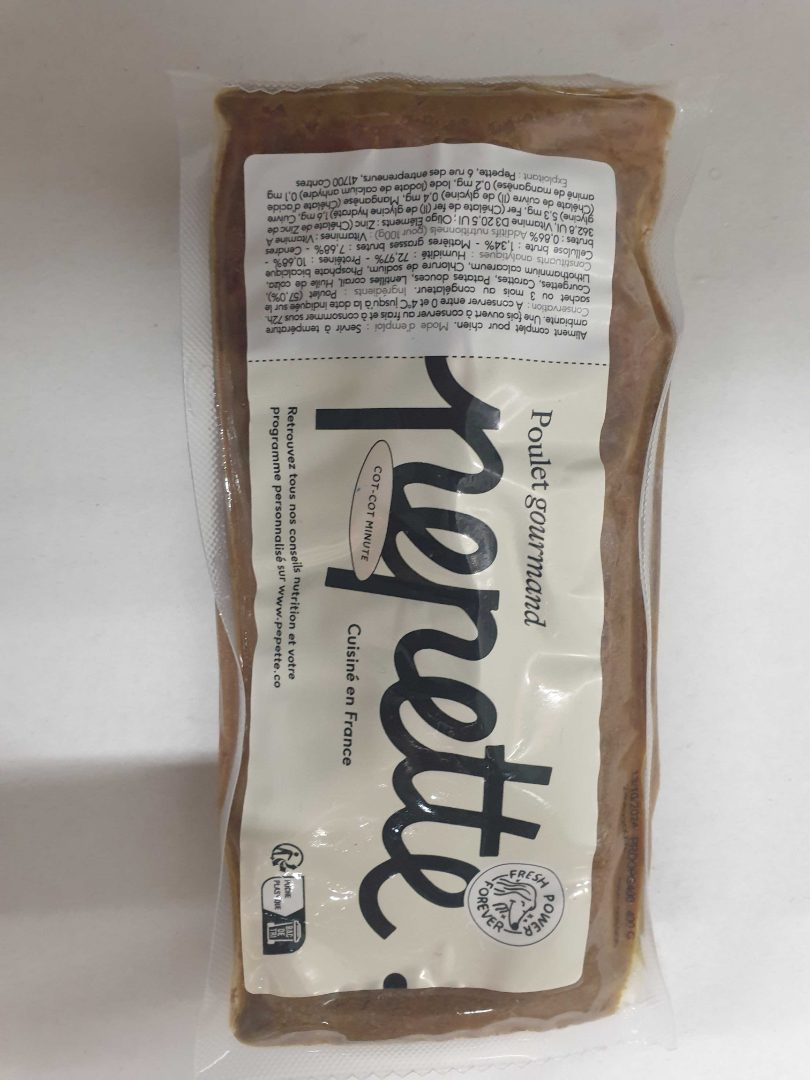
France – Pet Food- Gourmet chicken dog 300g and 400g – Salmonella

Gov France

Product Category
Food
Product subcategory
Pet food
Product brand name
Pepette
Model names or references
Gourmet chicken dog 300g and 400g from the Pepette brand
Product identification
Batch Date
240805000197 Expiry date 09/26/2024
240805000196 Expiry date 09/26/2024
Packaging
Vacuum plastic bag
Start/End of marketing date
From 08/10/2024 to 08/15/2024
Storage temperature
Product to be kept in the refrigerator
Geographic area of ​​sale
Whole France
Distributors
None – Direct sales via the internet to individuals

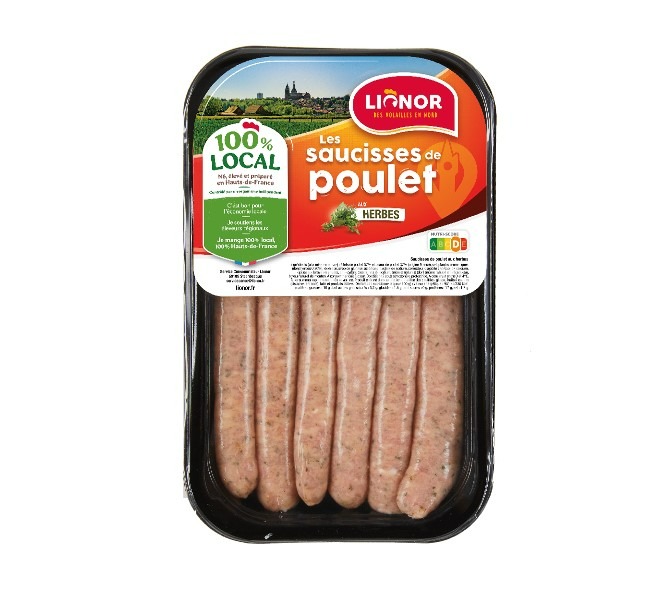
France -Tray of 6 Lionor herb sausages 300g s/atm – Salmonella

Gov France

Product Category
Food
Product subcategory
Meats
Product brand name
Lionor
Model names or references
Tray of 6 Lionor herb sausages 300g in atmosphere
Product identification
GTIN Batch Date
13237970002060 3434044792 Expiry date 08/24/2024
13237970002060 3434044792 Expiry date 08/26/2024
Packaging
Under protective atmosphere
Start/End of marketing date
From 08/14/2024 to 08/23/2024
Storage temperature
Product to be kept in the refrigerator
Health mark
FR 59.578.001 CE
Geographic area of ​​sale
Regions: Hauts-de-France
Distributors
Leclerc: Outreau, Bergues, ST Amand, Loison, Templeuve, Hallennes, Pont Remy Intermarché: Somain, La Gorgue Cora; La Buissière, ST Quentin, LENS2 Super U: THOUROTTE
List of points of sale
List_of_points_of_sale.pdf

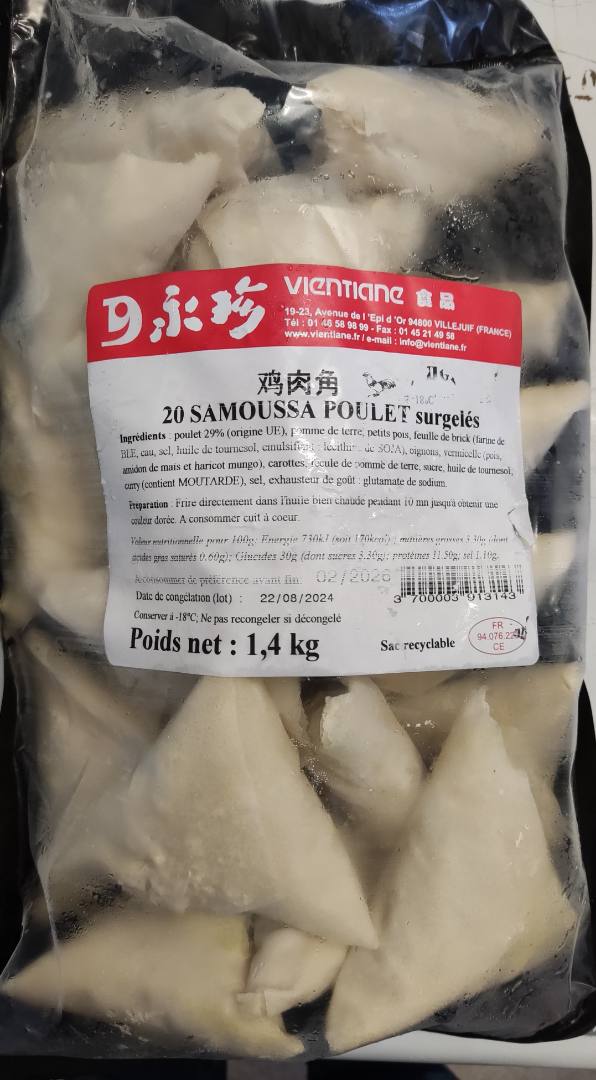
France – Frozen Raw Chicken Samosa – Salmonella

Gov France

Product Category
Food
Product subcategory
Meats
Product brand name
VIENTIANE
Model names or references
20 Frozen Chicken Samosas
Product identification
GTIN Batch Date
37000003913143 06/17/2024 Expiry date 01/17/2026
Packaging
9 bags of 20 pieces per carton
Start/End of marketing date
From 06/17/2024 to 01/17/2026
Storage temperature
Product to be stored in the freezer
Geographic area of ​​sale
Whole France
Distributors
Jean PHILIPON THAI MARCEAU HONG XIN

Research – Systematic risk ranking of microbiological hazards in infant foods

Science Direct

Abstract

Ensuring food safety, particularly for vulnerable groups, like infants and young children, requires identifying and prioritizing potential hazards in food chains. We previously developed a web-based decision support system (DSS) to identify specific microbiological hazards (MHs) in infant and toddler foods through a structured five-step process. This study takes the framework further by introducing systematic risk ranking (RR) steps to rank MH risks with seven criteria: process survival, recontamination, growth opportunity, meal preparation, hazard-food association evidence, food consumption habits of infants and toddlers in the EU, and MH severity. Each criterion is given a semi-quantitative or quantitative score or risk value, contributing to the final MH risk calculation via three aggregation methods: semi-quantitative risk scoring, semi-quantitative risk value, and outranking multi-criteria decision analysis (MCDA). To validate the criteria and ranking approaches, we conducted a case study to rank MH risks in infant formula, compared the results of the three risk ranking methods, and additionally evaluated the ranking results against expert opinions to ensure their accuracy. The results showed strong agreement among the three methods, consistently ranking Salmonella non-Typhi and Cronobacter spp. and Shiga-toxin-producing Escherichia coli as the top MH risks in infant formulae, with minor deviations. When MHs were ranked after an initial hazard identification step, all three methods produced nearly identical MH rankings, reinforcing the reliability of the ranking steps and the selected criteria. Notably, the risk value and MCDA methods provided more informative MH rankings compared to the risk scoring method. The risk value and risk scoring methods were implemented into an online tool, called the MIcrobiological hazards risk RAnking decision support system (Mira-DSS), available at https://foodmicrobiologywur.shinyapps.io/MIcrobial_hazards_RAnking/. In conclusion, our framework enables the ranking of MH risks, facilitating intervention comparisons and resource allocations to mitigate MH risks in infant foods, with potential applicability to broader food categories.