Category Archives: pathogenic

Holland – Research on pathogens in dairy goat and dairy sheep farms

RIVM 

Synopsis

Animals can carry pathogens that can cause disease in humans (zoonoses). In 2016, the RIVM and the NVWA investigated whether dairy goats and dairy sheep carry such pathogens; sometimes this is also done for livestock farmers, their family members and employees. These pathogens usually cause diarrhoea but sometimes the infections are more severe.

Research shows that a few pathogens occur often on dairy goat and dairy sheep farms. These bacteria reside in the intestines of the animals, and are excreted in manure. A small amount of manure is enough to contaminate raw milk or unpasteurised cheese. Visitors to these farms can also become infected if they come into contact with the animals or their environment. Contamination can be prevented by consuming or processing all milk pasteurized. Visitors can reduce the risk of disease by washing their hands if they have been in contact with the animals or their environment.

STEC and Campylobacter bacteria, in particular, were frequently found. STEC was detected at virtually all the farms that were investigated. Campylobacter was detected at 33 percent of the goat farms and 95.8 percent of the sheep farms. These bacteria were found much less often among the farmers and their family members. Listeria was detected less often: at 8.8 percent of the goat farms and 16.7 percent of the sheep farms, and not among people. However, it is a relevant pathogen since unpasteurised soft cheese is the most important source of Listeria infection in humans.

Salmonella was not found at dairy goat farms but was found at 12.5 percent of the dairy sheep farms. On most farms, only a type of Salmonella that is not transmitted to humans was found. ESBL-producing bacteria, which are insensitive to many antibiotics, were detected at 1.7 percent of the goat farms and 4.2 percent of the sheep farms. They were also found in 6.8 percent of the people. This percentage is not higher than for the general population.
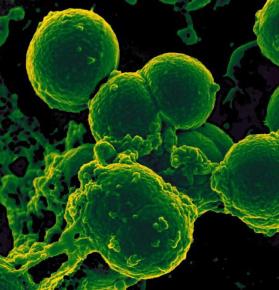
Research – Scientists map genetic codes of 3,000 dangerous bacteria

Yahoo News 


By Kate Kelland

(Reuters) – Scientists seeking new ways to fight drug-resistant superbugs have mapped the genomes of more than 3,000 bacteria, including samples of a bug taken from Alexander Fleming’s nose and a dysentery-causing strain from a World War One soldier.

The DNA of deadly strains of plague, dysentery and cholera were also decoded in what the researchers said was an effort to better understand some of the world’s most dangerous diseases and develop new ways to fight them.

The samples from Fleming – the British scientist credited with discovering the first antibiotic, penicillin, in 1928 – were among more than 5,500 bugs at Britain’s National Collection of Type Cultures (NCTC) one of the world’s largest collections of clinically relevant bacteria.

The first bacteria to be deposited in the NCTC was a strain of dysentery-causing Shigella flexneri that was isolated in 1915 from a soldier in the trenches of World War One.

“Knowing very accurately what bacteria looked like before and during the introduction of antibiotics and vaccines, and comparing them to current strains, … shows us how they have responded to these treatments,” said Julian Parkhill of Britain’s Wellcome Sanger Institute who co-led the research.

“This in turn helps us develop new antibiotics and vaccines.”

Research – Worldwide emergence of resistance to antifungal drugs challenges human health and food security

Science Mag  


The recent rate of emergence of pathogenic fungi that are resistant to the limited number of commonly used antifungal agents is unprecedented. The azoles, for example, are used not only for human and animal health care and crop protection but also in antifouling coatings and timber preservation. The ubiquity and multiple uses of azoles have hastened the independent evolution of resistance in many environments. One consequence is an increasing risk in human health care from naturally occurring opportunistic fungal pathogens that have acquired resistance to this broad class of chemicals. To avoid a global collapse in our ability to control fungal infections and to avoid critical failures in medicine and food security, we must improve our stewardship of extant chemicals, promote new antifungal discovery, and leverage emerging technologies for alternative solutions.