Category Archives: Foodborne Illness Death

Research – What do Consumers need to know about Salmonella and Cantaloupe

Food Poison Journal

In the United States, the Salmonella Sundsvall outbreak linked to cantaloupe from Mexico has been declared over.  The outbreaks sickened 407 people in 44 states. Six deaths were reported. The Centers for Disease Control and Prevention first reported the outbreak on November 17.

Of the 362 patients with information available, 158 were hospitalized.

Canadian officials have posted their final update on the Salmonella outbreak traced to cantaloupe, adding two deaths to the toll. There were 190 laboratory-confirmed cases of Salmonella Soahanina, Sundsvall, Oranienburg, and Newport illnesses associated with the nationwide outbreak. Sixty-eight patients were hospitalized, and nine died.

Read more at the link above.

Research – The financial impact of foodborne illness outbreaks at restaurants: Chipotle Mexican Grill

Wiley Online

As demand for food away from home increases, outbreaks at restaurants become an important source of food-related illness. In the United States, over 60% of foodborne illness outbreaks occur at restaurants and 97% of outbreaks are limited to a single state. Despite this, we currently know little about restaurant outbreaks and in particular, single-state outbreaks are not well understood. We use Chipotle Mexican Grill’s eight outbreaks (2015–2018) to evaluate the media and stock market responses to both single and multistate outbreaks. Using news and stock market data, we provide evidence that multistate outbreaks brought swift stock price declines and single-state outbreaks’ impact depended on their timing, rather than their severity. Before Chipotle’s more well-known, multistate outbreaks, the firm’s single-state outbreaks brought little reporting and no financial losses, whereas after the multistate food safety events, single-state events resulted in national media coverage and large financial impacts. Our findings are consistent with the literature on food scares that can result in chronic low-level anxiety, which can bring about a large resurgence of concern for smaller outbreaks. The lessons learned from Chipotle’s case underscore the importance of investment in outbreak prevention. [G14 (Information and Market Efficiency, Event Studies, Insider Trading)].

USA – Outbreak Investigation of Listeria monocytogenes: Peaches, Plums, & Nectarines (November 2023)- Is Over

FDA

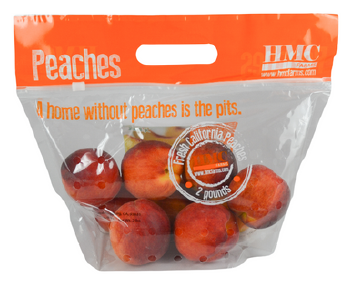
HMC Peaches

January 30, 2024

The FDA and CDC, in collaboration with state and local partners, investigated an outbreak of Listeria monocytogenes infections linked to recalled peaches, plums, and nectarines (stone fruit).

As part of this investigation, FDA initiated an inspection and collected environmental samples from the facility that packed the recalled stone fruit. Two environmental sub-samples collected from the facility were positive for Listeria monocytogenes. Whole Genome Sequencing (WGS) analysis confirmed that the strain of Listeria found in the positive sub-samples matched the same strain of Listeria making people sick in this outbreak.

As of January 30, 2024, CDC announced that the outbreak is over. CDC reports a total of 11 illnesses in seven states. There has been a total of 10 hospitalizations and one death attributed to listeriosis. The last specimen collection date was August 16, 2023. FDA’s investigation is complete.

USA – Nearly 600 with Salmonella, 225 hospitalized and 15 deaths linked to Cantaloupe

Food Poison Journal

In the United States a total of 407 people infected with one of the outbreak strains of Salmonella were reported from 44 states: Of 362 people with information available, 158 (44%) were hospitalized. Six deaths were reported.

In Canada a total, 190 laboratory-confirmed cases of Salmonella Soahanina, Sundsvall, Oranienburg, and Newport illness were linked to this outbreak. Sixty-eight (68) individuals were hospitalized, and nine deaths were reported.

USA -CDC – Salmonella Outbreak Linked to Cantaloupes is Over.

CDC

Fast Facts
  • Illnesses: 407
  • Hospitalizations: 158
  • Deaths: 6
  • States: 44
  • Recall: Yes
  • Investigation status: Closed   (first posted on November 17, 2023)

All recalls that resulted from this investigation are listed on FDA’s cantaloupe recall website. Recalled cantaloupes are no longer available for sale and the use-by dates have passed.

USA – Shigella Outbreak sweeping Spokane

Food Poison Journal

Source Unknown

• Total Cases: 147

• Shigella Species Type:

– 101 (68.7%) sonnei

– 5 (3.4%) flexneri

– 41 (27.9%) species not yet available.

• Severity of Disease:

– 67 (45.6%) of the cases have been hospitalized due to shigella.

– 1 (0.7%) death has been attributed to shigella.

UK – One death and 30 illness cases due to STEC 0145 outbreak in UK

The Microbiologist

One person has died in the UK and 30 cases of illness confirmed following an outbreak of Shiga toxin-producing Escherichia coli (STEC) O145 identified through the analysis of whole genome sequencing (WGS) data.

UK- One dead following cheese recall over STEC E. coli

BBC

A person in Scotland has died from E. coli, following an outbreak of the bacterial infection in the UK linked to cheese.

Health experts warned a few days ago that some products in the Mrs Kirkham’s range might be contaminated and should be recalled as a precaution.

It is not clear yet whether the death was caused by food.

Officials say investigations are continuing into any common links between cases and the recalled cheeses.

USA – FDA – Investigations of Foodborne Illness Outbreaks

FDA

Date
Posted
Ref Pathogen
or
Cause of
Illness
Product(s)
Linked to
Illnesses

(if any)
Total
Case
Count

Status
12/6/

2023

1205 Listeria
monocytogenes
Not Yet
Identified
3 Active
11/22/

2023

1201 Salmonella
Newport
Not Yet
Identified
44 Active
11/22/

2023

1203 Salmonella
Sundsvall and
Oranienburg
Cantaloupe See

Advisory

Active
11/15/

2023

989 Listeria
monocytogenes
Peaches, Plums,
and Nectarines
See

Advisory

Active
11/8/

2023

1198 Elevated Lead
Levels
Apple
Cinnamon
Puree
See

Advisory

Active

Research – Prolonged multi‐country cluster of Listeria monocytogenes ST155 infections linked to ready‐to‐eat fish products

EFSA

Abstract

A genomic cluster of Listeria monocytogenes sequence type (ST) 155, serogroup IIa, infections has been identified in the European Union/European Economic Area (EU/EEA) and the United Kingdom (UK). Based on genomic similarity, the cluster can be divided into three sub‐clusters, of which only cases due to sub‐cluster 1 continue to be reported. Sub‐cluster 1 is therefore the focus of this assessment, with 64 cases reported in five EU/EEA countries between 2016 and 2023, of which 17 were in 2022 and 2023 (one in Austria, one in Belgium, eight in Italy, six in Germany, and one in the Netherlands). It includes 10 fatal cases between 2019 and 2023. Sub‐clusters 2 and 3 are historical, with 30 cases reported between 2011 and 2021. Based on case interviews, ready‐to‐eat (RTE) fish products have been implicated as vehicles of infection.

National food investigations, traceability, and genomic data identified 34 L. monocytogenes isolates from 12 fish products and one isolate from a fish processing environment within sub‐cluster 1. Sequencing analysis identified a link with two processing plants in Lithuania. In 2022–2023, contaminated fish products from these plants had reached retail markets in Germany and Italy, but there was no information on the product distribution in the other three countries reporting cases. The recurrent detection of the sub‐cluster 1 strain from marketed sealed RTE fish products revealed the persistence of the strain in one processing plant over eight years.

Further targeted investigation in the RTE fish production chain is needed to identify the point(s) of contamination. The interruption of the production of RTE fish products in one of the processing plants is likely to reduce infections, but until all sources and sites of contaminations are properly controlled new cases are expected to occur, particularly among vulnerable people (the immunosuppressed and those aged over 75 years).