Category Archives: bacterial contamination

New Zealand – Source and Supply Food Co Ltd – Recall –

MPI

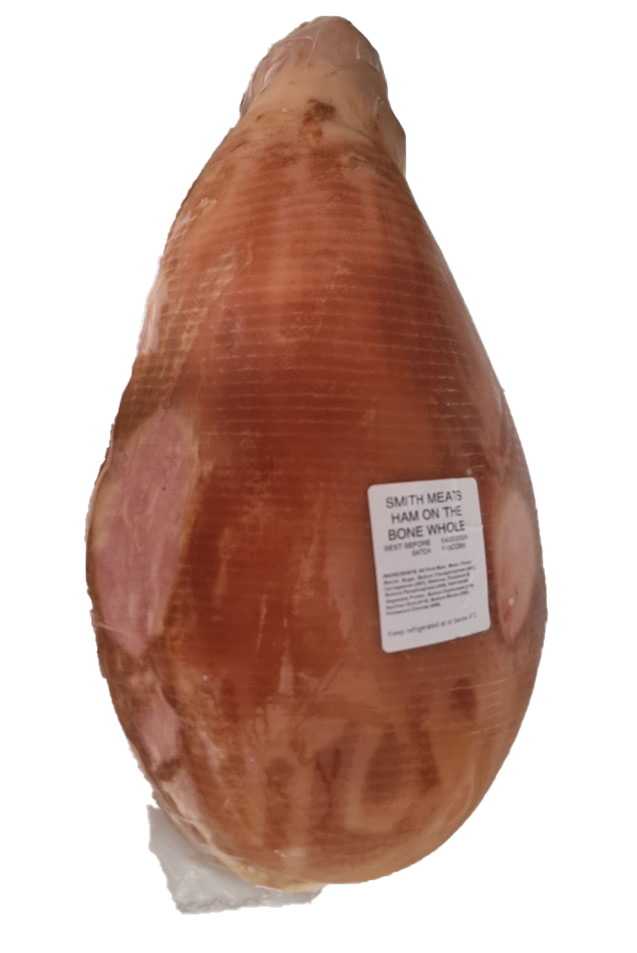
25 December 2023: The recall has been updated to include additional affected best before date of Smith Meats Brand Cooked on Bone Hams (Whole and Half) as the product may be undercooked.

23 December 2023: Source and Supply Food Co. Ltd is recalling specific batches of Smith Meats Brand Cooked on Bone Hams (Whole and Half) as the product may be undercooked.

Product identification
Product type Ready-to-eat ham
Name of product (size) Smith Meats Branded Cooked on Bone Hams (Whole and Half)
Batch marking 11SCOB1, 11SCOB2, 11SCOB3, 11SCOB4, and 11SCOB5
Date marking Best before 26/01/24, 27/01/24, 28/01/24, 09/02/24, 14/02/24, 01/02/2024
Package size and description The product is sold in sealed plastic.
Distribution The affected product is sold at Matamata Butchers, Starfood (Taupo) and sold to some corporate companies.
Notes This recall does not affect any other Smith Meats brand products or any other products from Source and Supply Food Co. Ltd.

Point of sale notice for retailers

If you are a retailer of the product in this recall, download a copy of the point of sale notice. You need to display it in your store for one month.

Point of sale notice – Source and Supply Food Co Ltd [PDF, 85KB]

Consumer advice

Customers are asked to check the batch and date mark on the product.

Affected product should not be consumed. There have been no reports of associated illness, however if you have consumed any of this product and have any concerns about your health, seek medical advice.

Customers should return the product to their retailer for a full refund.

Who to contact

If you have questions, contact Source and Supply Food Co. Ltd:

USA – FDA Advises Restaurants and Retailers Not to Serve or Sell and Consumers Not to Eat Chopped Clams Illegally Harvested in Massachusetts and Distributed by Red’s Best

FDA

Audience
Restaurants and food retailers in Connecticut (CT), Massachusetts (MA), New York (NY), and Rhode Island (RI) that have recently purchased Red’s Best chopped clams, labeled as lot numbers # 331 and # 333, with shuck dates of 23/331 and 23/333. These clams were illegally harvested from prohibited waters in MA on 11/25/2023 and 11/26/2023.
Consumers in CT, MA, NY, and RI who have recently purchased or consumed Red’s Best chopped clams, labeled as lot numbers # 331 and # 333, with shuck dates of 23/331 and 23/333, that were illegally harvested from prohibited waters in MA on 11/25/2023 and 11/26/2023.
Product
Red’s Best chopped clams illegally harvested from prohibited waters in MA on 11/25/2023 and 11/26/2023 and distributed to CT, MA, NY, and RI. It is possible that chopped clams may have been distributed to other states as well. These chopped clams can be identified by lot numbers # 331 and # 333, with shuck dates of 23/331 and 23/333 and harvest area mhb4, packed by 13027 ma-sp. All chopped clams were packed in one-gallon (8 lbs) plastic containers with “Red’s Best” printed on the sidewall. Both the lot number and shuck date should be printed on a decal label adhered to either the lid or sidewall of each container.

Purpose
The US Food and Drug Administration (FDA) is advising consumers not to eat, and restaurants and food retailers not to sell, and to dispose of Red’s Best chopped clams illegally harvested from prohibited waters in MA on 11/25/2023 and 11/26/2023 with lot numbers # 331 and # 333, and shuck dates of 23/331 and 23/333, because they may be contaminated. The chopped clams were directly distributed to distributors and retailers in CT, MA, NY, and RI and may have been distributed further from these states.

Clams harvested illegally may be contaminated with human pathogens, toxic elements or poisonous or deleterious substances and can cause illness if consumed. Clams are filter feeders that remove and bioaccumulate bacteria and other pathogens from the water. It is not uncommon for shellfish to be consumed raw and whole. Contaminated clams can cause illness if eaten raw, particularly in people with compromised immune systems. Clams contaminated with pathogens may look, smell, and taste normal.

Germany – “GUT&GÜNSTIG H-whole milk 3.5% fat (1 liter)” best before date 03/27/24, health label DE BW 010 EG – Microbiological Contamination

Lebensmittelwarnung

Alert type:

Groceries

Date of first publication:

12/04/2023

Product name:

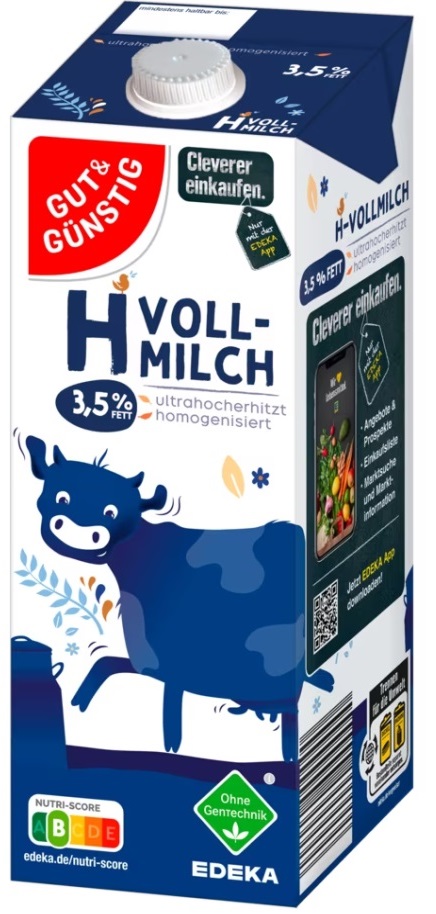
“GUT&GÜNSTIG H-whole milk 3.5% fat (1 liter)” best before date 03/27/24, health label DE BW 010 EG

Product images:

Image_HMilch.jpg
Manufacturer (distributor):

Manufacturer: Hohenloher Molkerei eG Sales: at regional level in individual EDEKA stores and Marktkauf in Baden-Württemberg, Bavaria, Hesse, Saxony and Thuringia

Reason for warning:

Microbiological contamination was detected during routine checks. It cannot be ruled out that the milk becomes thick and sour and that health problems may occur if consumed.

Packaging Unit:

1 liter

Durability:

Best before: March 27, 2024

Canada – HO-YA brand Naturally Brewed Soy Sauce recalled due to bursting lids

CFIA

Naturally Brewed Soy Sauce
Issue
Food – Microbial Contamination
What to do

Do not use, sell, serve or distribute the affected product.

Audience
Retail
Distribution
Alberta
New Brunswick
Newfoundland and Labrador
Nova Scotia
Ontario
Quebec

Issue

HO-YA brand Naturally Brewed Soy Sauce recalled due to bursting lids.

France – Duck with porcini mushrooms 2.4kg – Risk of Microbiological Growth

Gov france

  • Product category Food
  • Product subcategory Meats
  • Product brand name The Frairie de Bourgogne
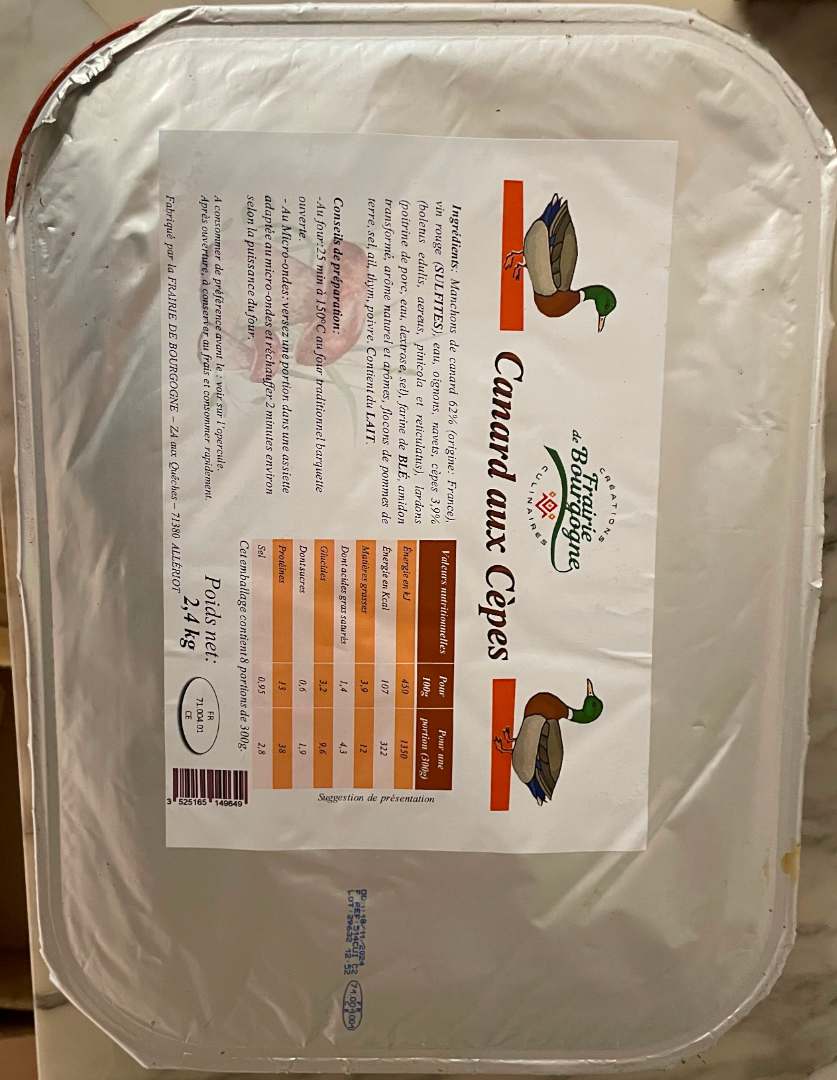
  • Model names or references 514CUI.PLT: Duck with porcini mushrooms, 2.4kg platter
  • Product identification
    GTIN Batch Date
    3525165149649 Lot 29632 Minimum durability date 11/18/2024
  • Packaging Sealed aluminum tray
  • Start/end date of marketing From 01/12/2022 to 27/10/2023
  • Storage temperature Product to be stored at room temperature
  • Health mark FR 71.004.001 CE
  • Geographical sales area Regions: Burgundy-Franche-Comté
  • Distributors Dijon salted meats, Terrine du Morvan, Frairie de Bourgogne

USA – FDA Advises Restaurants and Retailers Not to Serve or Sell and Consumers Not to Eat Oysters from Future Seafoods, Inc., Potentially Contaminated with Salmonella and E. coli

FDA

Audience

  • Restaurants and food retailers in Florida (FL), Massachusetts (MA), Maryland (MD), Maine (ME), Pennsylvania (PA), and Virginia (VA) that have recently purchased oysters harvested from Future Seafoods, Inc. (PE 4217 SP) based in Bedeque, Prince Edward Island, Canada.
  • Consumers who have recently purchased oysters from Future Seafoods, Inc. (PE 4217 SP) in FL, MA, MD, ME, PA, or VA.

Product

  • Oysters from Future Seafoods, Inc. (PE 4217 SP), Prince Edward Island, Canada, harvested on 10/10/2023 from harvest area PE9B, and distributed to restaurants and retailers in FL, MA, MD, ME, PA, and VA.

Purpose

The FDA is advising restaurants and food retailers not to sell and to dispose of oysters and consumers not to eat oysters from Future Seafoods, Inc. (PE 4217 SP), Prince Edward Island, Canada, from harvest area PE9B on 10/10/2023, and shipped on 10/10/2023 to importers in FL, MA, MD, ME, PA, and VA, due to the possible presence of Salmonella and E. coli.

Contaminated oysters can cause illness if eaten raw, particularly in people with compromised immune systems. Food contaminated with Salmonella and E. coli may look, smell, and taste normal. Consumers of these products who are experiencing symptoms of salmonellosis or E. coli should contact their healthcare provider and report their symptoms to their local Health Department.

Symptoms of Salmonella infection

Most people infected with Salmonella will begin to develop symptoms 12 to 72 hours after infection. The illness, salmonellosis, usually lasts four to seven days and most people recover without treatment.

Most people with salmonellosis develop diarrhea, fever, and abdominal cramps. More severe cases of salmonellosis may include a high fever, aches, headaches, lethargy, a rash, blood in the urine or stool, and in some cases may become fatal.

Due to the range in severity of illness, people should consult their healthcare provider if they suspect that they have developed symptoms that resemble a Salmonella infection.

Symptoms of E. coli infection

E. coli are mostly harmless bacteria that live in the intestines of people and animals and contribute to intestinal health. However, eating or drinking food or water contaminated with certain types of E. coli can cause mild to severe gastrointestinal illness. Some types of pathogenic (illness-causing) E. coli, such as Shiga toxin-producing E. coli (STEC), can be life-threatening.

People infected with pathogenic E. coli can start to notice symptoms anywhere from a few days after consuming contaminated food or as much as nine days later. Generally, the symptoms include severe stomach cramps, diarrhea, fever, nausea, and/or vomiting.

The severity or presence of certain symptoms may depend on the type of pathogenic E. coli causing the infection. Some infections can cause severe bloody diarrhea and lead to life-threatening conditions, such as a type of kidney failure called hemolytic uremic syndrome (HUS), or the development of high blood pressure, chronic kidney disease, and neurologic problems. Other infections may have no symptoms or may resolve without medical treatment within five to seven days.

Due to the range in severity of illness, people should consult their health care provider if they suspect that they have developed symptoms that resemble an E. coli infection.

People of any age can become infected with pathogenic E. coli. Children under the age of 5 years, adults older than 65, and people with weakened immune systems are more likely to develop severe illness as a result of a pathogenic E. coli infection. However, even healthy older children and young adults can become seriously ill.

Summary of Problem and Scope

On 10/10/2023, the Canadian Food Inspection Agency (CFIA) tested oysters and discovered the presence of Salmonella and unacceptable levels of generic E. coli. On 10/18/2023, the CFIA informed the FDA of the testing results from the contaminated product. Canada is investigating the cause of the food safety problem. Future Seafoods, Inc. has not yet initiated a recall.

FDA Actions

The FDA is issuing this alert advising restaurants and food retailers not to sell and consumers not to eat oysters from Future Seafoods, Inc. (PE 4217 SP) harvested on 10/10/2023 from harvest area PE9B due to contamination from Salmonella and unacceptable levels of generic E. coli. The FDA is awaiting further information on distribution of the oysters harvested and will continue to monitor the investigation and provide assistance to state authorities as needed. As new information becomes available, the FDA will update the safety alert.

Recommendations for Consumers

Consumers who have symptoms should contact their health care provider to report their symptoms and receive care.

To report a complaint or adverse event (illness or serious allergic reaction), you can

Visit www.fda.gov/fcic  for additional consumer and industry assistance.

Sweden – Paulig recalls Santa Maria cheese sauce and cheese dip – Bacterium

Livsmedelsverket

2023-09-22

Paulig is recalling Santa Maria Cheddar Cheese Sauce and Santa Maria Dip Nacho Cheese Style.

The recall of Santa Maria’s cheese sauce and cheese dip is done after the discovery of a bacterium in a batch of cheese sauce, and as a precautionary measure, Paulig is recalling all products where there may be a risk of bacterial presence.

More information about the recall from Paulig

Germany – Saxony Milk Our Freshness 1.5% 1l – Microbial Abnormalities

LMW

Alert type:

Groceries

Date of first publication:

September 21, 2023

Product name:

Saxony Milk Our Freshness 1.5% 1l

Manufacturer (distributor):

Sachsenmilch Leppersdorf GmbH

Reason for warning:

As part of a self-examination, microbiological abnormalities were discovered that could trigger infections. This can potentially be serious, particularly in vulnerable groups of people (infants, small children, pregnant women, seniors and people with a weakened immune system). Therefore, customers should not consume the affected product.

Packaging Unit:

1 liter

Durability:

October 8, 2023

Lot identification:

10/8/23

Additional Information:

The product was sold through EDEKA branches in Saxony and Saxony-Anhalt.

Click to access 2023_09_21_Pressemitteilung_Rueckruf_Sachsenmilch_ESL-Milch_final.pdf

Manufacturer’s homepage:

Finland – Detection of bacteria in cheese dips

Epressi

Cheddar Cheese Sauce and Dip Nacho Cheese Style.

Paulig has announced a recall of two Santa Maria cheese dips/sauces. The recall is based on a confirmed bacterial observation in a single production batch of cheese sauce. As a precautionary measure, a larger number of production batches are recalled. The recall concerns two products and their following dates:

  1. Cheddar Cheese Sauce (3000 g)
    best before date is between  1.6.2024 and 31.8.2024
  1. The best before date for  Dip Nacho Cheese Style (250 g) is between 1 June 2025 and 31 August 2025.

Instructions for consumers can be found  in the bulletin on Paulig’s website.

More information:

Paulig’s Customer Service 
Tel. 0800 0110 (weekdays 9–12:30) 
consumerservice@paulig.com

The matter is handled at the Food Agency by special expert Mika Varjonen, tel. 050 38 68 416,  firstname.surname@ruokavirasto.fi .

USA – Ready-to-eat meat products recalled because of contamination with Listeria

Food Safety News

Salmon’s Meat Products of Luxemburg, WI, is issuing a recall for a variety of ready-to-eat meat products sold at retail stores throughout Northeast Wisconsin because of contamination from Listeria monocytogenes.