Author Archives: KSW

Image

HAPPY NEW YEAR 2025

Image

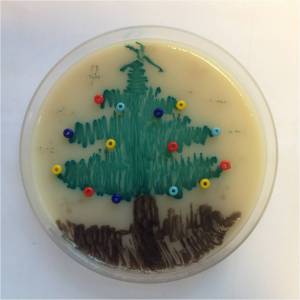
HAPPY CHRISTMAS 2024

Research – A Quantitative Risk Assessment Model for Listeria monocytogenes in Ready-to-Eat Smoked and Gravad Fish

MDPI

Abstract

This study introduces a quantitative risk assessment (QRA) model aimed at evaluating the risk of invasive listeriosis linked to the consumption of ready-to-eat (RTE) smoked and gravad fish. The QRA model, based on published data, simulates the production process from fish harvest through to consumer intake, specifically focusing on smoked brine-injected, smoked dry-salted, and gravad fish. In a reference scenario, model predictions reveal substantial probabilities of lot and pack contamination at the end of processing (38.7% and 8.14% for smoked brined fish, 34.4% and 6.49% for smoked dry-salted fish, and 52.2% and 11.1% for gravad fish), although the concentrations of L. monocytogenes are very low, with virtually no packs exceeding 10 CFU/g at the point of sale. The risk of listeriosis for an elderly consumer per serving is also quantified. The lot-level mean risk of listeriosis per serving in the elderly population was 9.751 × 10⁻⁸ for smoked brined fish, 9.634 × 10⁻⁸ for smoked dry-salted fish, and 2.086 × 10⁻⁷ for gravad fish. Risk reduction strategies were then analyzed, indicating that the application of protective cultures and maintaining lower cold storage temperatures significantly mitigate listeriosis risk compared to reducing incoming fish lot contamination. The model also addresses the effectiveness of control measures during processing, such as minimizing cross-contamination. The comprehensive QRA model has been made available as a fully documented qraLm R package. This facilitates its adaptation for risk assessment of other RTE seafood, making it a valuable tool for public health officials to evaluate and manage food safety risks more effectively.

Research – From Germination to Stagnation: Sodium Diacetate’s Impact on Clostridium perfringens Spores

Wiley Online

ABSTRACT

Sodium diacetate is recognized for its high efficiency as a preservative, demonstrating strong antibacterial properties that help extend the shelf life of food products. However, it is still unclear how it influences spores. This research investigated the influence of sodium diacetate on the germination and outgrowth stage in the revival process of Clostridium perfringens (C. perfringens) spores. The germination and outgrowth rate of spores after sodium diacetate treatment were measured. The changes of spore inner membrane were monitored by laser confocal microscope, electron scanning microscope and macromolecular leakage. The interaction between sodium diacetate and DNA was investigated by EB fluorescence probe, and the finding was verified by the outgrowth of spores in ham sausage. An investigation into the effects of sodium diacetate treatment on the biological activity, inner membrane permeability, morphology, and DNA integrity of spores devoid of both the coat and cortex revealed that sodium diacetate significantly hindered the transition of germinated spores into vegetative cells. In the presence of sodium diacetate, C. perfringens spores underwent germination, characterized by the hydrolysis of the spore cortex and the disassembly of the spore coat. As the spores advanced into the outgrowth phase, sodium diacetate penetrated their structure, causing damage to the inner membrane and compromising DNA integrity. Moreover, sodium diacetate was demonstrated to effectively inhibit spore outgrowth in ham sausage. This study provided theoretical guidance and references for the application of sodium diacetate in food to control the germination and outgrowth of spore-forming bacteria.


Research – Occurrence, Antibiotic Resistance and Biofilm-Forming Ability of Listeria monocytogenes in Chicken Carcasses and Cuts

MDPI

A total of 104 samples of chicken meat acquired on the day of slaughter from two slaughterhouses in northwestern Spain were analyzed. These comprised 26 carcasses and 26 cuts from each of the two establishments. An average load of 5.39 ± 0.61 log10 cfu/g (total aerobic counts) and 4.90 ± 0.40 log10 cfu/g (psychrotrophic microorganisms) were obtained, with differences (p < 0.05) between types of samples and between slaughterhouses. Culturing methods involving isolation based on the UNE-EN-ISO 11290-1:2018 norm and identification of isolates by polymerase chain reaction (PCR) to detect the lmo1030 gene allowed the detection of Listeria monocytogenes in 75 samples (72.1% of the total; 50.0% of the carcasses and 94.2% of the cuts). The 75 isolates, one for each positive sample, were tested for resistance against a panel of 15 antibiotics of clinical interest by the disc diffusion method. All isolates belonged to the serogroup IIa (multiplex PCR assay) and showed resistance to between four and ten antibiotics, with an average value of 5.7 ± 2.0 resistances per isolate, this rising to 7.0 ± 2.1 when strains with resistance and reduced susceptibility were taken together. A high prevalence of resistance was observed for antibiotics belonging to the cephalosporin and quinolone families. However, the level of resistance was low for antibiotics commonly used to treat listeriosis (e.g., ampicillin or gentamicin). Nine different resistance patterns were noted. One isolate with each resistance pattern was tested for its ability to form biofilms on polystyrene during 72 h at 12 °C. The total biovolume of the biofilms registered through confocal laser scanning microscopy (CLSM) in the observation field of 16,078.24 μm2 ranged between 13,967.7 ± 9065.0 μm3 and 33,478.0 ± 23,874.1 μm3, and the biovolume of inactivated bacteria between 0.5 ± 0.4 μm3 and 179.1 ± 327.6 μm3. A direct relationship between the level of resistance to antibiotics and the ability of L. monocytogenes strains to form biofilms is suggested.

Research – Surveillance of Vibrio cholerae serogroups (O1 and O139) from surface and ground water sources in the Vhembe district, Limpopo Province, South Africa

Frontiers In.org

Vibrio cholera is increasingly emerging as a significant public health concern in developing countries. Choleragenic V. cholerae O1 and O139 has reported to cause devastating disease and economic burdens in developing countries. In rural areas of the Vhembe district, most rivers and several communal boreholes are polluted as a result of sanitation issues around these water sources. The aim of this study was to determine the presence of choleragenic V. cholerae O1 and O139 in rivers and communal boreholes. The analysis of physicochemical parameters and molecular techniques was used to establish the adaptation and detect the serogroups of V. cholerae in the water samples. The results reported that electrical conductivities (EC) ranged between 18.78 and 154 μS/cm, with rivers such as Madandze and Mvudi recording >80 μS/cm, and those of the communal boreholes were ranged between 23.4 and 295 μS/cm, which were above the acceptable South African water quality guidelines of 0-70 μS/cm for rivers and communal boreholes. The results further revealed that most of the rivers detected positive for Vibrio cholerae, except for the Mukhase river; the downstream points of Livuvhu and Nwedi rivers and the upstream point of the Nzhelele river; and several of the communal boreholes (Mak B1, B2, Kwe B3, 4, and 6) also tested positive for the presence of Vibrio cholerae. The toxigenic Vibrios was also reported in Mutshundudi, Tshinane rivers, the upstream of Dzindi, Madanzhe, Nwedi, and the downstream of Sambandou rivers, as well as Mak B1, B2, and Kwe3 of communal boreholes. The serogroup O1 was detected on the Mutshundudi and Tshinane rivers, while serogroup O139 was detected upstream of the Dzindi, Madanzhe, Mutshundudi, and Tshinane rivers. There was also detection of the O1 serogroup in the communal boreholes (Mak B1 and Kwe B3), while O139 was only detected in one communal borehole (Mak B2). The development of robust policies, including an integrated water and sanitation safety surveillance web tool for monitoring water resources and public health protection, is required to make sure that drinking water in rural communities is safe for consumption.

USA – Who is going to replace who is essential to food safety.

Food Safety News

It’s who replaces who season in Washington D.C.  It happens whenever one party beats the other in presidential elections. Food safety advocates are watching these changes with rapt attention. The added change this time is that the incoming administration has an apparent common agenda known as “Make America Healthy Again.”

That agenda is about doing something about America’s Chronic Disease Epidemic, especially involving children.

The agenda is the work of Robert F. Kennedy Jr, who the president-elect nominated to be the next Secretary of Health and Human Services. If confirmed, he will replace California lawyer Xavier Becerra,

Research – How safe is the US food supply?

New Scientist

Food in the US has a bad rap thanks to outbreaks caused by bacteria, plus processing, additives and food dyes, but the food supply is actually much less risky than people think.

Apple sauce containing lead. Onions carrying E. coli. Deli meat spreading listeria. The past year has seen alert after alert from US public health officials warning of contamination in the food supply, both in packaged and prepared foods. Going to the grocery store – or even out to eat – has seemingly become a real gamble.

Research – Simple lab-free test to detect bacteria in fluids from water to urine

Science Daily

A novel new test for bacteria in fluids makes it as easy as observing a colour change to confirm the presence of disease-causing pathogens, promising much easier diagnostic tests and greater food safety.

Engineers and biochemists at McMaster university have brought their skills together to make it possible for untrained users to confirm contamination in fluids using a biogel test that changes colour in the presence of such bacteria as E. coli, listeria and other frequent testing targets.

The test uses harmless bacteriophages embedded in the gel to locate target bacteria in a sample of fluid such as lake water, urine or a container of milk, even in low concentrations.

Bacteriophages are the most common form of life on Earth. Each form of bacteriophage is specialized to destroy one form of bacteria.

Sweden suspects sprouts in Salmonella investigation

Food Safety News

A rise in Salmonella infections in Sweden has been linked to the consumption of alfalfa sprouts.

Folkhälsomyndigheten (the Public Health Agency of Sweden) said 92 people from 18 regions have been infected with one of 12 genetically closely related Salmonella Typhimurium sequence type (ST) 36 variants.

Patients fell sick beginning in August. There are 60 women and 32 men who are ill. Cases range in age from 1 to 89 and the median is 44 years old. Most are in the age groups 0 to 10 and 40 to 50 years old.