Category Archives: water microbiology

USA – Illinois: Another Legionnaires’ disease cluster reported

Outbreak News Today


legionellacIn a follow-up to the recent Legionnaires’ disease clusters in Illinois, state and county health officials are investigating a cluster of three cases at McHenry Villa, an independent senior living community.

Public health officials confirmed the third case this week. McHenry Villa is notifying residents, the residents’ identified contact, and staff.  All three cases had outside exposures, and two of the cases had potential exposures at Centegra Hospital-McHenry.  Public health officials will continue to investigate any other potential sources.

Information – How Many Legionella Species Exist & Which Ones Cause Legionnaires’ Disease?

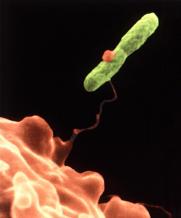
Legionella Control Legionella A

While there are more than 50 different recognised Legionella species, less than half of those can cause illness in humans. However, while around 20 species are known to be harmful to us, just one has been identified as the cause of most outbreaks of Legionnaires’ disease. Read further at the link above.

Information – How Temperature Influences Legionella Growth

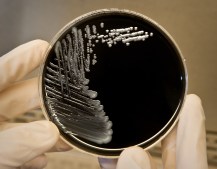
Legionella Control Legionella_Plate_01

In this review the experts at Legionella Control International look at how water temperatures influence legionella growth and how this information can be used to control the risks from the bacteria.

Under certain circumstances Legionella bacteria can lead to serious illness and fatalities in humans. Since Legionella bacteria can exist in man-made water systems, it is imperative to ensure the water is stored, maintained and distributed at temperatures that do not encourage the growth and spread of the bacteria.

There are three temperature ranges that have an influence on the growth and proliferation of Legionella bacteria. Read at the link below.

USA – Flooding from Hurricane Michael creates food safety issues across South

Food Safety News

Strong winds and heavy rain continue to wreak havoc across parts of the South today as Hurricane Michael meanders out of Georgia and heads up the mid-Atlantic Coast.

In addition to the devastating damage that is immediately visible today, less obvious hazards in the wake of the massive storm are expected to last weeks. Food safety dangers come in various forms and can cause severe illnesses and deaths as floodwaters recede.

Among the most vulnerable foods are fresh fruits and vegetables. They are breeding grounds for pathogens when power outages cause the loss of refrigeration and temperature control. Fresh produce that comes into contact with floodwater can be instantly contaminated with a wide range of bacteria, viruses and parasites.

The toxic composition of floodwater is such a serious food safety hazard that federal law prohibits the sale, distribution or donation of any produce or other food crops from fields that are flooded. Special inspections are required before such crops can even be used for animal feed. 

USA Today

Hurricane Michael leaves behind a treacherous, dangerous landscape that will likely pose risks to human health for weeks to come, experts say.

The water itself can carry bacteria and viruses that pose a major health hazard.

Among the medical dangers are cholera, Hepatitis A and vibriosis, said Dr. Robert Glatter, an emergency room physician at Lenox Hill Hospital in New York City. Glatter said storm victims need to stay focused on staying healthy while they await recovery efforts. That may mean not rushing outside as soon as the skies clear.

“Don’t panic— try to take things one step at a time when you feel overwhelmed,” he said.

Research – Virus destroys E. coli bacteria

Cornell

The bacteriophage T7NLC is a virus that can find the bacteria E. coli in water. The bacteriophage can bind to the E. coli and it shoots its own DNA into the bacteria. It then lyses breaks open the bacterium, releasing an enzyme that destroys it, as well as sending out additional phages to attack other E. coli.

Research – Cinnamaldehyde disrupts biofilm formation and swarming motility of Pseudomonas aeruginosa

Microbiology Research

Bacterial biofilms can cause serious health care complications associated with increased morbidity and mortality. There is an urge to discover and develop new biofilm inhibitors from natural products or by modifying natural compounds or understanding the modes of action of existing compounds. Cinnamaldehyde (CAD), one of the major components of cinnamon oil, has been demonstrated to act as an antimicrobial agent against a number of Gram-negative and Gram-positive pathogens, including Pseudomonas aeruginosa, Helicobacter pylori and Listeria monocytogenes. Despite the mechanism of action of CAD against the model organism P. aeruginosa being undefined, based on its antimicrobial properties, we hypothesized that it may disrupt preformed biofilms of P. aeruginosa. The minimum inhibitory concentration (MIC) of CAD for planktonic P. aeruginosa was determined to be 11.8 mM. Membrane depolarization assays demonstrated disruption of the transmembrane potential of P. aeruginosa. CAD at 5.9 mM (0.5 MIC) disrupted preformed biofilms by 75.6 % and 3 mM CAD (0.25 MIC) reduced the intracellular concentrations of the secondary messenger, bis-(3′–5′)-cyclic dimeric guanosine monophosphate (c-di-GMP), which controls P. aeruginosa biofilm formation. The swarming motility of P. aeruginosa was also reduced by CAD in a concentration-dependent manner. Collectively, these findings show that sub-MICs of CAD can disrupt biofilms and other surface colonization phenotypes through the modulation of intracellular signalling processes.

Information -Do Ice Machines Spread Legionnaires Disease?

Legionella Control Legionella_Plate_01

Ice machines and chilled water dispensers are becoming increasingly popular both at home and in the workplace where they are used for a variety of purposes. At first glance, the freezing water temperatures used to create ice would suggest that opportunities for bacterial growth would be very limited and so the risks to people using them insignificant. However, this may not always be the case and here we consider if ice machines can spread Legionnaires’ disease.

Ice machines and chilled water dispensers offering ice or cold water do so at temperatures well below the 20-degree threshold for concern. However, each machine contains a mechanical compressor that is used to lower water temperatures. The heat given off by a compressor may be enough to warm the water inside the machine, thereby allowing Legionella bacteria to grow and multiply unseen. The bacteria could then potentially reach levels in the water where it may prove concerning for those drinking it or taking ice from the machine.

A similar scenario could occur if the machine is positioned in a warm spot, i.e. near to a radiator or other source of heat.