Category Archives: Microbiology

RASFF Alerts – Animal Feed – Salmonella – Poultry Meal – Dog Chews

RASFF-Logo

RASFF – Salmonella enterica ser. Tennessee (in 3 out of 5 samples /25g) and high count of Enterobacteriaceae (330; 20; 30; 20; 20 CFU/g) in poultry meal from the United Kingdom in Belgium

RASFF – Salmonella enterica ser. anatum (presence /25g) in dog chews from Poland, via Germany in Austria

RASFF Alert – Animal Feed – Enterobacteriaceae – Fish Meal

RASFF-Logo

RASFF – too high count of Enterobacteriaceae (460 CFU/g) in fish meal from Turkey in Germany

USA – Salmonella Outbreak Linked to Pig Ear Dog Treats Sickens 45

Food Poisoning Bulletin

A Salmonella enterica serotype I 4,[5],12:i:- linked to pig ear dog treats has sickened at least 45 people in 13 states, according to the Centers for Disease Control and Prevention (CDC). Twelve people have been hospitalized because they are so sick.

Salmonella Outbreak Linked to Pig Ear Dog Treats Sickens 45

USA – Cryptosporidiosis Outbreaks — United States, 2009–2017

CDC

What is already known about this topic?

Cryptosporidium is the leading cause of outbreaks of diarrhea linked to water and the third leading cause of diarrhea associated with animal contact in the United States.

What is added by this report?

During 2009–2017, 444 cryptosporidiosis outbreaks, resulting in 7,465 cases were reported by 40 states and Puerto Rico. The number of reported outbreaks has increased an average of approximately 13% per year. Leading causes include swallowing contaminated water in pools or water playgrounds, contact with infected cattle, and contact with infected persons in child care settings.

What are the implications for public health practice?

To prevent cryptosporidiosis outbreaks, CDC recommends not swimming or attending child care if ill with diarrhea and recommends hand washing after contact with animals.

Research – Take two E. coli and call me in the morning

Science Daily

Millions of people take capsules of probiotics with the goal of improving their digestion, but what if those bacteria were also able to detect diseases in the gut and indicate when something is awry? New research from the Wyss Institute at Harvard University and Harvard Medical School (HMS) has created an effective, non-invasive way to quickly identify new bacterial biosensors that can recognize and report the presence of various disease triggers in the gut, helping set the stage for a new frontier of digestive health monitoring and treatment. The paper is published in mSystems.

“Our understanding of how the human gut microbiome behaves is still in its early stages, which has hindered large-scale research into creating biosensors out of living bacteria,” said David Riglar, Ph.D., a former postdoc at the Wyss Institute and HMS who now leads a research group as a Sir Henry Dale Fellow at Imperial College London. “This work provides a high-throughput platform for identifying genetic elements in bacteria that respond to different signals in the gut, putting us one step closer to engineering complex signaling pathways in bacteria that allow them to detect and even treat diseases long-term.”


 

USA – 2-year-old boy dies from E Coli infection linked to San Diego County Fair

Outbreak News Today

Petting zoo animals may be the source of an E. coli outbreak linked to the San Diego County Fair.

The County of San Diego Health and Human Services (HHSA) is urging anyone who visited the San Diego County Fair and then began experiencing symptoms of E. coli infection on or after June 8 to contact their healthcare provider⎯“especially if you have diarrhea that lasts for more than 3 days or diarrhea that is accompanied by a fever higher than 102°F, or blood in the stool, or so much vomiting that you cannot keep liquids down and you pass very little urine.”

Four children were infected with E. coli after coming into contact with animals at the San Diego County Fair.  One child died after developing E. coli complications.

The affected children ranged in age from 2 years to 13 years-old.  They each came into contact with animals at the San Diego County Fair between June 8 and June 15.  Their symptoms began between June 10 and June 16. The youngest child, a 2-year-old boy, was hospitalized with E coli complications.  He succumbed to E. coli complications and died on June 24.

Hemolytic Uremic Syndrome (HUS) is a serious complication of E coli infections.  5-10% of people diagnosed with Shiga-toxin-producing E. coli (STEC) develop HUS.  Children are particularly vulnerable to developing HUS.

Malaysia – Bottled water contaminated with Pseudomonas aeruginosa

Outbreak News Today 

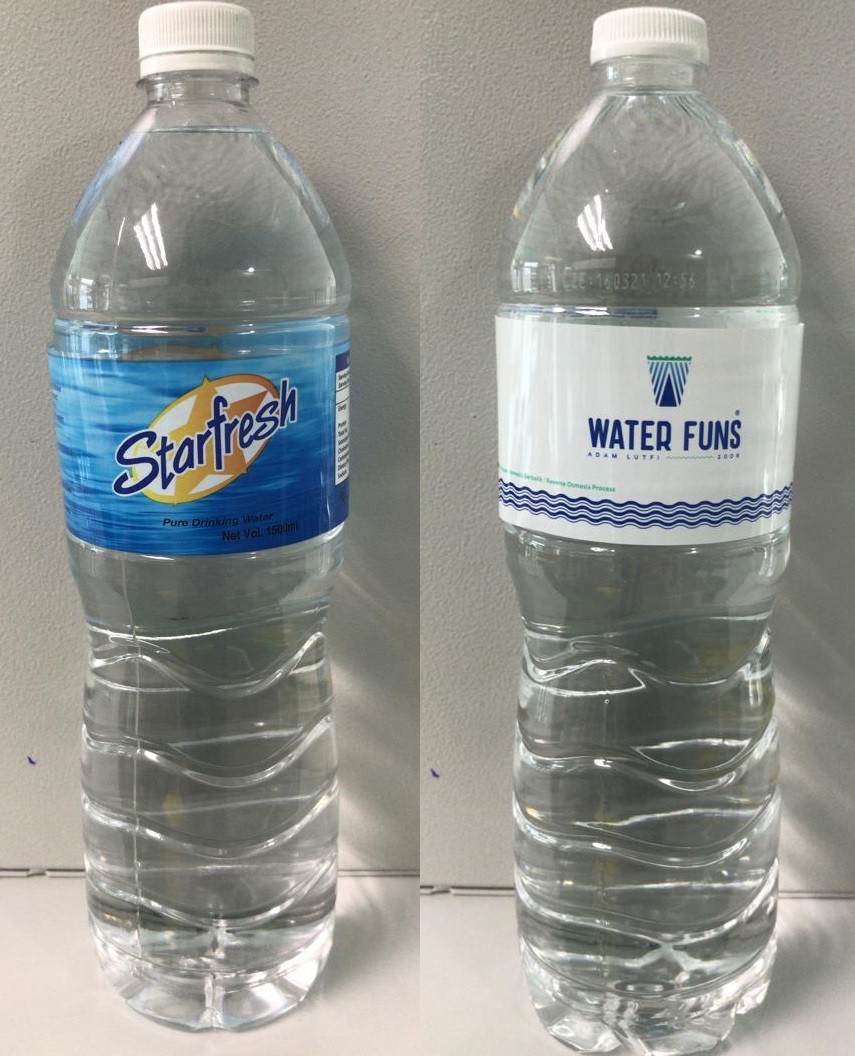
Malaysia health officials reported on the recall of Malaysian Starfresh packaged beverage (AMB) water products from the Singapore market because they are tainted with Pseudomonas aeruginosa bacteria.

AMB products involved in 500ml and 1500ml with the final date on May 11, 2021 and May 13, 2021, respectively.

The Ministry of Health of Malaysia (KKM) through the Food Safety and Quality Division (BKKM) has carried out verification on the refinery and a food safety guarantee program has been found that is not implemented effectively . In addition, the results of an analysis of Starfresh names exported to Singapore and the Waterfuns brand sold on the local market did not comply with the Food Deed 1983 and Food Regulations 1985 because they were found to be contaminated with Pseudomonas aeruginosa bacteria . This product may be identified by the final date on the label. KKM has also directed the refineries to withdraw AMB products involved in the local market.

Information – Lawyer Warns of E. coli Danger at Petting Zoos

Food Poisoning Bulletin 19243

Attorneys Fred Pritzker and Ryan Osterholm are warning about the dangers of E. coli infections from petting zoos. As the weather warms and summer starts, petting zoos are popular attractions for families with young children. Unfortunately, those venues can be and have been the source of serious and even deadly E. coli outbreaks.

USA – Legionnaires’ Disease Outbreak at Advocate Christ Medical Center

Outbreak News Today Legionella_Plate_01

The Illinois Department of Public Health is investigating four cases of Legionnaires disease linked to Advocate Christ Medical Center in Oak Lawn, Illinois.  Three patients and an employee have been linked to the outbreak thus far.

UK – Homeland By Products Ltd recalls Frozen Raw Beef, Tripe and Turkey Pet Food due to the presence of Salmonella

FSA

Homeland By Products Ltd is recalling three batches of frozen raw pet food because salmonella has been found in the products

Product details

Frozen Raw Beef

Pack size 500 grams
Batch code 1510
Best before May 2021
Frozen Raw Turkey

Pack size 500 grams
Batch code 1513
Best before May 2021
Frozen Raw Tripe

Pack size 500 grams
Batch code 1518
Best before May 2021

No other Homeland By Products Ltd products are known to be affected.

Risk statement

The presence of salmonella in the products listed above. Salmonella is a bacterium that can cause illness in humans and animals. The product could therefore carry a potential risk, because of the presence of salmonella, either through direct handling of the pet food, or indirectly, for example from pet feeding bowls, utensils or contact with the faeces of animals. In humans, symptoms caused by salmonella usually include fever, diarrhoea and abdominal cramps. Infected animals may not necessarily display signs of illness, but symptoms can include diarrhoea.

Action taken by the company

Homeland By Products Ltd is recalling the above products from their customers.

Our advice to consumers

If you have bought any of the above products do not use them. Instead, return them to the store from where they were bought for a full refund. When handling and serving raw pet food it is always advised to clean utensils and feeding bowls thoroughly after use. Consumers should wash hands thoroughly after handling raw pet food, bowls, utensils or after contact with the faeces of infected animals. Raw pet food should be stored separately from any food (especially ready to eat foods). Care should be taken when defrosting to avoid cross contamination of foods and surfaces.