Some 70 students at the Sri Chaitanya Residential Junior College opposite to Mission Hospital here were affected by food poisoning on Sunday. They had lunch with sambar, and later experienced loose motion and vomiting. The college management shifted some students to private hospitals in the city.
JOHOR BAHRU: A Batu Pahat secondary school canteen was ordered to close for 14 days until July 11 after 90 students and nine staff members suffered food poisoning.
State executive councillor Ling Tian Soon said fried chicken served at the canteen last Thursday is believed to have been the cause.
He said an inspection of the canteen was conducted and food samples were sent to the laboratory for testing, with results expected in two to three days’ time.
TAIPEI (Taiwan News) — Six people were hospitalized in Taichung last week after experiencing food poisoning symptoms following a seafood meal.
A man surnamed Lin (林) visited a stir-fry restaurant with friends. They had grilled oysters and other seafood dishes, according to CNA.
Lin later sought medical attention on June 18 and had diarrhea, abdominal pain, and nausea. Doctors suspected food poisoning.
Lin suspected the seafood may have been undercooked or spoiled. His friends reported experiencing similar symptoms, leading to the hospitalization of all six individuals.
Li’s Hospital Daja confirmed Lin’s emergency room visit on Wednesday (June 26). Examination revealed elevated inflammatory markers and blood in his stool.
Concerns about a potential food-borne illness outbreak arose when two of Lin’s friends also sought medical attention. Hospital staff promptly notified the Taichung Health Bureau
A 61‐year‐old man with moderate stroke risk factors, including hypertension and hyperlipidaemia, presented with rapidly progressive ptosis, diplopia, ataxia and dysarthria. No infective prodrome or suspected food poisoning was initially disclosed. Given this presentation, brainstem stroke was the primary differential diagnosis.
On Day 2, he developed vomiting, dysphagia and severe respiratory distress, requiring intubation. He subsequently developed complete ophthalmoplegia, descending flaccid paralysis and required ventilation. A differential diagnosis of Miller Fisher syndrome was then considered. Sequential intravenous immunoglobulin and plasma exchanges were minimally effective. Cerebrospinal fluid analysis was unremarkable with no raised protein levels. Test results for anti‐ganglioside antibodies, including anti‐GQ1‐b (both IgG and IgM), were negative. Nerve conduction studies and electromyogram (performed on Day 4) results confirmed a generalised, predominantly motor neuropathy (Box 1 and Box 2). Results from the magnetic resonance imaging (MRI) scan of the brain and spine/plexus with contrast were normal.
Box 1
Day 4 results from the nerve conduction study and electromyogram suggesting a severe motor predominant neuropathy with relative sensory sparing (likely too early to appreciate muscle denervation)
Box 2
Day 88 results from the nerve conduction study and electromyogram showing persisting generalised reduction in upper and lower limb motor amplitudes, (although improving), with relative sparing of sensory responses
Further history on Day 15 revealed that the patient had consumed foul‐tasting almond milk 12–36 hours prior to symptom onset. The differentials then expanded to include botulism. Following consultation with the infectious diseases department, further tests were requested. Clostridium botulinum culture and test results for toxin A‐G nucleic acid were negative on retained milk sample and stool. The results from the C. botulinum direct toxin test using the mouse bioassay (pooled antitoxin A, B and E) demonstrated the presence of botulinum toxin in a retained sample of the milk. The FilmArray BioThreat Panel (BioFire Defense) test on a retained sample of milk detected botulinum toxin A nucleic acid. After guidance from infectious diseases and public health authorities on Day 16, the patient was administered botulin antitoxin obtained from the National Medical Stockpile. The implicated milk product was subsequently recalled.1 The patient was weaned off mechanical ventilation five months after admission to the intensive care unit.
New Taipei, June 24 (CNA) A restaurant in a New Taipei shopping center was ordered to suspend operations Monday after two more people who ate there last week fell ill due to suspected food poisoning, according to the city’s Department of Health.
The two individuals who dined at “Hung Wu Curry” in Xizhi District’s iFG Farglory Square food court on June 18 later vomited and developed diarrhea, the department said.
It was the second incident within a year that cases of suspected food poisoning have been reported at the restaurant, it said, indicating that Hung Wu Curry will only be allowed to resume operations after improvements are made.
The two new cases came after the department recently received separate reports from Taipei Department of Health and the Cathay General Hospital (Xizhi branch) on June 19 and June 22 that eight people fell ill from suspected food poisoning after eating at the restaurant on June 17.
They mostly ate curry rice or omurice, a dish consisting of fried rice wrapped in an omelet, the department said, indicating that diarrhea was the main symptom.
Two of the 10 individuals currently remain hospitalized for persistent diarrhea, the department said.
The New Taipei health authority said samples of food ingredients and other items have been taken from the establishment for laboratory testing to determine whether food poisoning was the cause.
If food poisoning is confirmed, the operator could be investigated for suspected violation of the Act Governing Food Safety and Sanitation, the department said.
There have been allegations of dangerously undercooked food and the event’s organiser, Live Nation, have launched an investigation following the emergence of “a pattern” of gastric illness amongst festival goers.
A suspected outbreak of a rare and extremely dangerous food poisoning in Moscow left more than 120 people seeking medical help and at least 30 in intensive care, health officials said on Monday.
The patients were admitted to hospital with suspected foodborne botulism, a life-threatening condition that attacks the nervous system and can cause respiratory failure and paralysis.
Russian authorities said the toxic outbreak came from salads distributed by a popular online delivery service, which on Sunday temporarily suspended its operations amid a criminal investigation.
“In total 121 people sought medical help,” state news agencies quoted Anastasia Rakova, the deputy mayor of Moscow, as saying on Monday.
“At the moment 55 people are in a serious condition, 30 of them in intensive care,” she added.
The city’s consumer and health watchdog, Rospotrebnadzor, said on Saturday it was conducting an “epidemiological investigation into suspected cases of botulism.”
PETALING JAYA: The Selangor Health Department (JKNS) has reported that 82 people have experienced food poisoning symptoms after consuming breakfast at a school program in Gombak last Saturday.
Selangor Health Director Dr. Ummi Kalthom Shamsudin stated that the main reported symptoms were diarrhea, stomach pain, fever, vomiting, and nausea, as reported by Berita Harian.
She shared that those experiencing symptoms included committee members, teachers, school staff, and family members aged between 18-months and 58-years-old.
“A total of 28 cases received outpatient treatment, and no cases were admitted to the hospital.
“Two cases were reported to have died without receiving any treatment from any health facility, involving a 17-year-old male teenager and a 19-month-old female baby.
“Both had consumed the food believed to have been brought home by family members,“ she was quoted as saying.
Restaurants and food retailers in Arizona (AZ), California (CA), Colorado (CO), Hawaii (HI), Nevada (NV), New York (NY), Oregon (OR), and Washington (WA) that have recently purchased oysters and bay clams from growing areas in Netarts Bay and Tillamook Bay, OR harvested on or after 5/28/24, and all shellfish species from growing areas in Willapa Bay, WA: Stony Point, harvested between 5/26/24 and 5/30/24; Bay Center, harvested between 5/29/24 and 5/30/24; and Bruceport, harvested between 5/29/24 and 5/30/24.
Consumers in AZ, CA, CO, HI, NV, NY, OR, and WA who have recently purchased oysters and bay clams harvested from growing areas in Netarts Bay and Tillamook Bay, OR harvested on or after 5/28/24, and all shellfish species from growing areas in Willapa Bay, WA: Stony Point, harvested between 5/26/24 and 5/30/24; Bay Center, harvested between 5/29/24 and 5/30/24; and Bruceport, harvested between 5/29/24 and 5/30/24.
Product
Certain oysters and bay clams harvested from OR growing areas in Netarts Bay and Tillamook Bay, harvested on or after 5/28/24, and shellfish species from growing areas in Willapa Bay, WA: Stony Point, harvested between 5/26/24 and 5/30/24; Bay Center, harvested between 5/29/24 and 5/30/24; and Bruceport, harvested between 5/29/24 and 5/30/24. The shellfish were distributed to restaurants and retailers in AZ, CA, CO, HI, NV, NY, OR, and WA and may have been distributed to other states as well.
Purpose
The FDA is advising restaurants and food retailers not to serve or sell and to dispose of, and consumers not to eat, oysters and bay clams harvested from growing areas in Netarts Bay and Tillamook Bay, OR harvested on or after 5/28/24, and all shellfish species from growing areas in Willapa Bay, WA: Stony Point, harvested between 5/26/24 and 5/30/24; Bay Center, harvested between 5/29/24 and 5/30/24; and Bruceport, harvested between 5/29/24 and 5/30/24, and distributed to AZ, CA, CO, HI, NV, NY, OR, and WA because they may be contaminated with the toxins that cause paralytic shellfish poisoning (PSP).
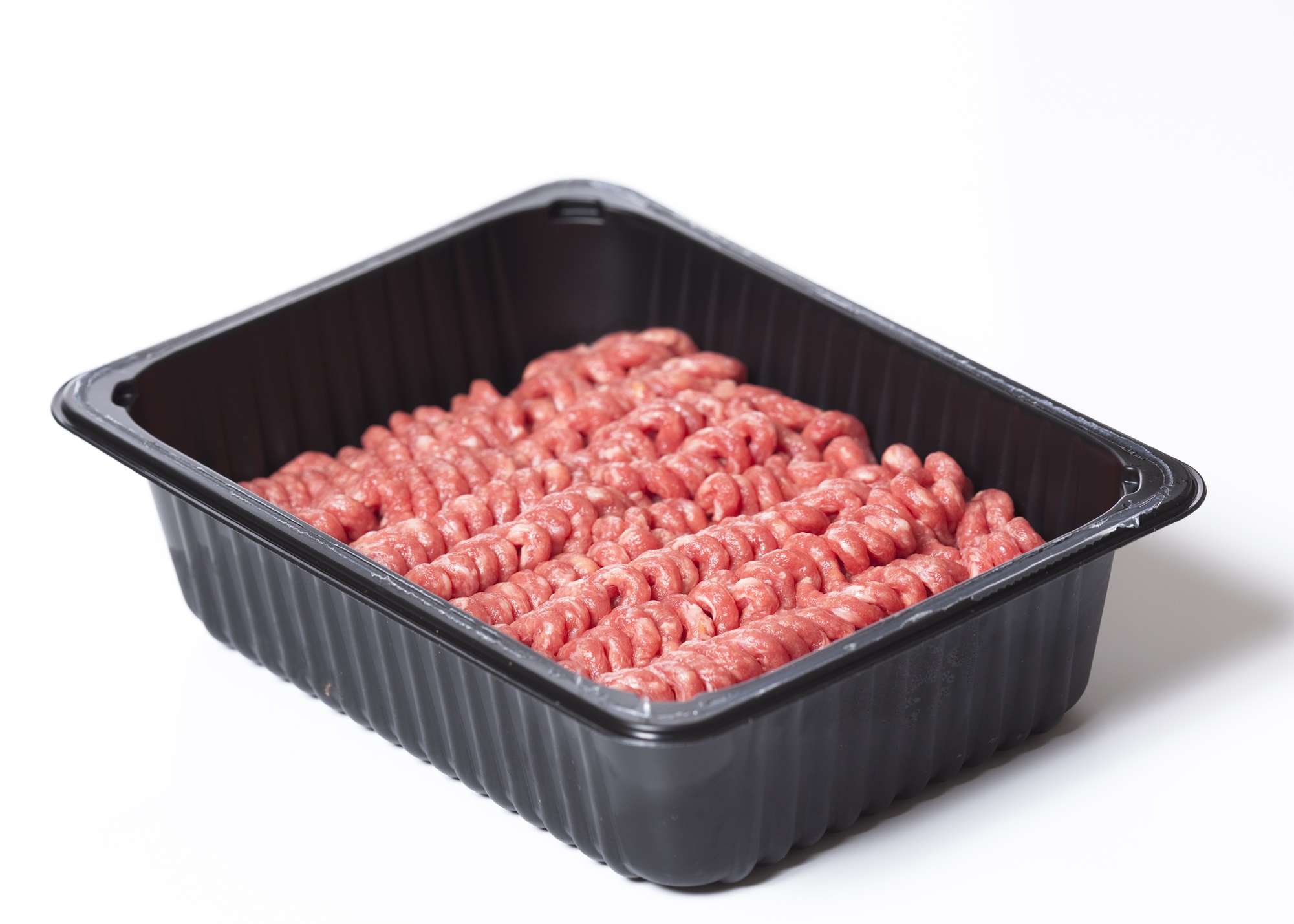
For the second time in less than a month, consumers in Denmark have been affected by salmonella infection. Cook the burger patty well and don’t taste raw meat, the authorities warn.
A new salmonella outbreak with 43 patients is underway in Denmark. So far, it includes 27 men and 16 women aged 3-85. This is shown by figures from the Statens Serum Institut, which monitors and investigates foodborne disease outbreaks together with the DTU Food Institute and the Danish Veterinary and Food Administration.
“We are currently seeing a fast-growing outbreak with 43 patients who have contracted salmonella. We know that the actual number of patients is much higher, as not everyone goes to the doctor or gets a test. By examining the bacteria, we can see that the salmonella type is exactly the same at the DNA level. This means that the patients are infected by the same source. Interviews with patients again point to ground beef, as we saw with the latest outbreak.”
Investigation underway
It is still unclear where the beef comes from, but the authorities are in the process of interviewing patients and reviewing procurement information. The goal is to find common features among the patients’ purchases in order to try to make a breakthrough in the investigation.
“We have established that two-thirds of the current patients have either tasted the raw meat or used ordinary minced beef for tartar. We would strongly advise against that,” emphasizes section leader of the Danish Food and Food Administration Annette Perge.
The reason is that there may be bacteria in minced meat which can cause illness. It can be salmonella, but it can also be particularly dangerous E. coli bacteria. That is why the advice from the Danish Veterinary and Food Administration also reads:
If you want to eat tartar, buy minced meat, which is specially intended for tartar. It’s on the packaging – otherwise ask the butcher.
Wash hands before starting to cook and after touching raw meat
Avoid tasting raw meat, e.g. raw minced meat
Keep raw meat separate from ready-to-eat food, e.g. salad
Fry or cook minced meat through
Less than a month ago, 64 patients in Denmark were infected with a type of salmonella that was found to originate from minced beef from England. The authorities in the central outbreak group have not yet found the origin of the source of infection for the latest outbreak.
Facts about Salmonella
Infection with salmonella typically causes general malaise, diarrhoea, stomach ache, possibly nausea, vomiting and fever. The infection is often accompanied by joint pain, muscle pain and headache. In most cases, the symptoms of salmonella are mild and go away on their own. If you get persistent symptoms, you should contact your own doctor.


 FoodWorld