In Ganesh Nagar area of the city, seven members of a family suffered from food poisoning after consuming ‘jalebis’ (sweets) and other eatables made from water chestnut flour on Friday.

KSWFoodWorld

In Ganesh Nagar area of the city, seven members of a family suffered from food poisoning after consuming ‘jalebis’ (sweets) and other eatables made from water chestnut flour on Friday.
Posted in Uncategorized
QUEBEC , February 26 2024 /CNW/ – The Ministry of Agriculture, Fisheries and Food (MAPAQ), in collaboration with the company Auberge l’Amarré inc. located at 30, 1st Avenue Est, in Saint-Maxime-du- Mont-Louis , notifies people considered vulnerable (pregnant women, people with weakened immune systems, children under 5 years old and people elderly) not to consume the products indicated in the table below, because they do not include the required mention “made from unpasteurized milk”. In fact, the retailer failed to transcribe the manufacturer’s information on the labels.
|
Product name |
Format |
Target lot |
|
“ CHEDDAR PERRON” |
Unitary |
|
|
“ WINDFOOT” |
The products that are the subject of this warning were offered for sale until February 26, 2024 inclusive, and only at the establishment designated above. They were vacuum-packed in a transparent plastic pouch and sold refrigerated. The product label includes, in addition to their name, the words “L’Amarré”.
Posted in Uncategorized
Salmonella spp in frozen chicken breast, from Ukraine in the Netherlands and Cyprus
Salmonella in seasonings made with onion powder from India made in Spain in Columbia
Presence of Salmonella Enteritidis in Fresh Skinless Chicken and Fresh Untrussed Chicken from France in Belgium and the UK
Salmonella spp in black pepper from Vietnam in Spain
Salmonella in seasonings from Spain with Indian onion powder in Costa Rica, Honduras and Mexico
Posted in Uncategorized
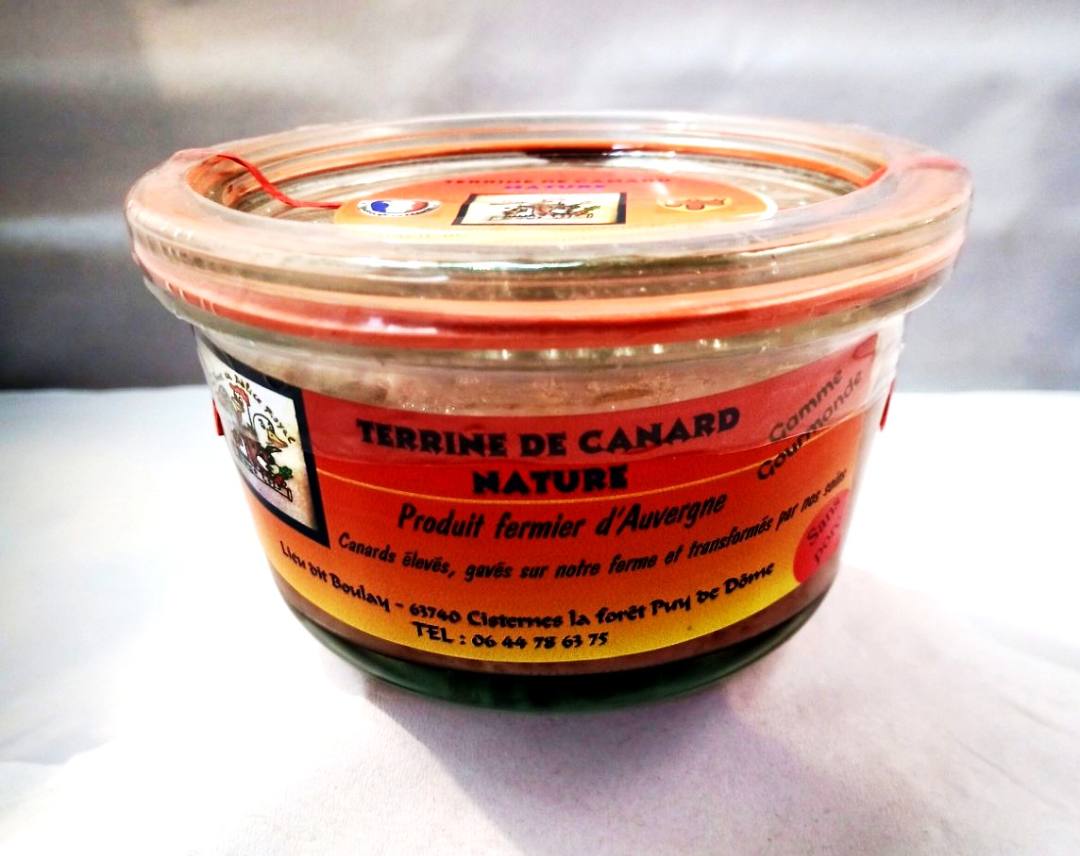
Duck terrine different varieties
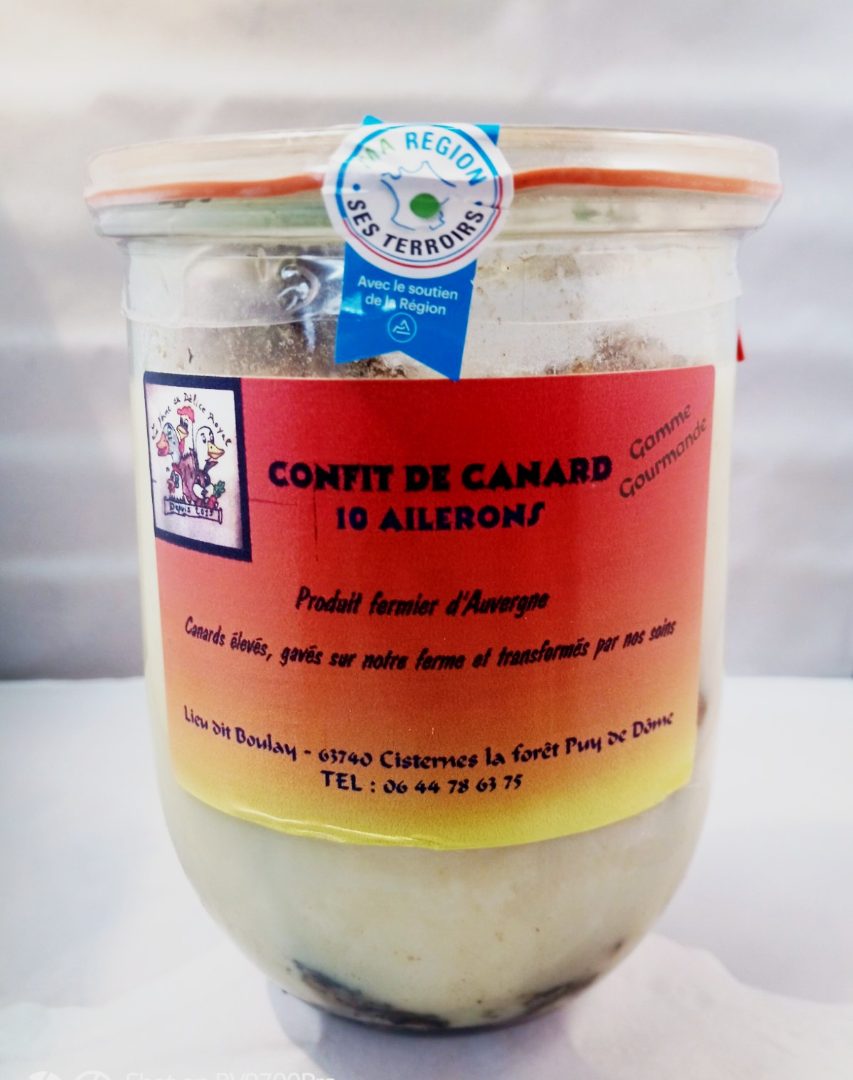
Duck confit 10 fins
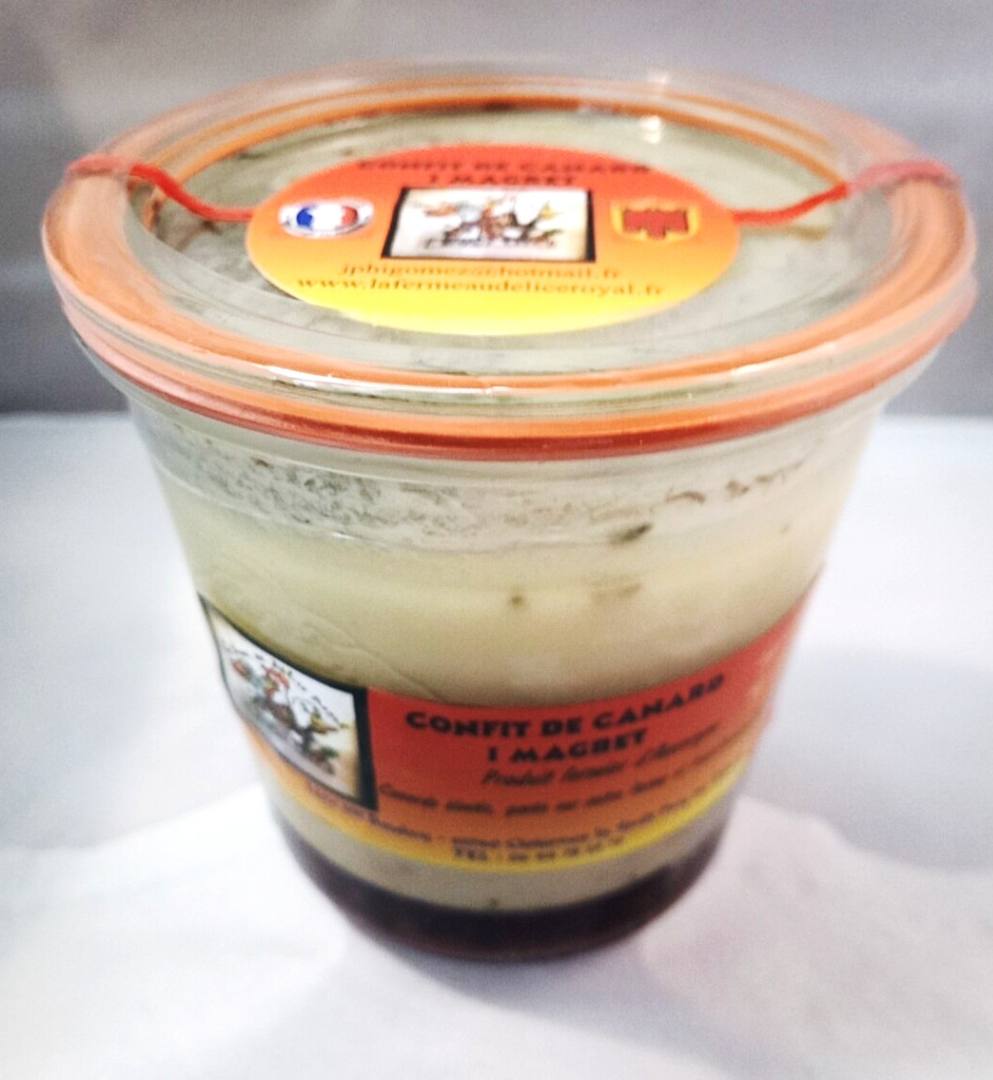
Duck breast confit by 1 and by 2
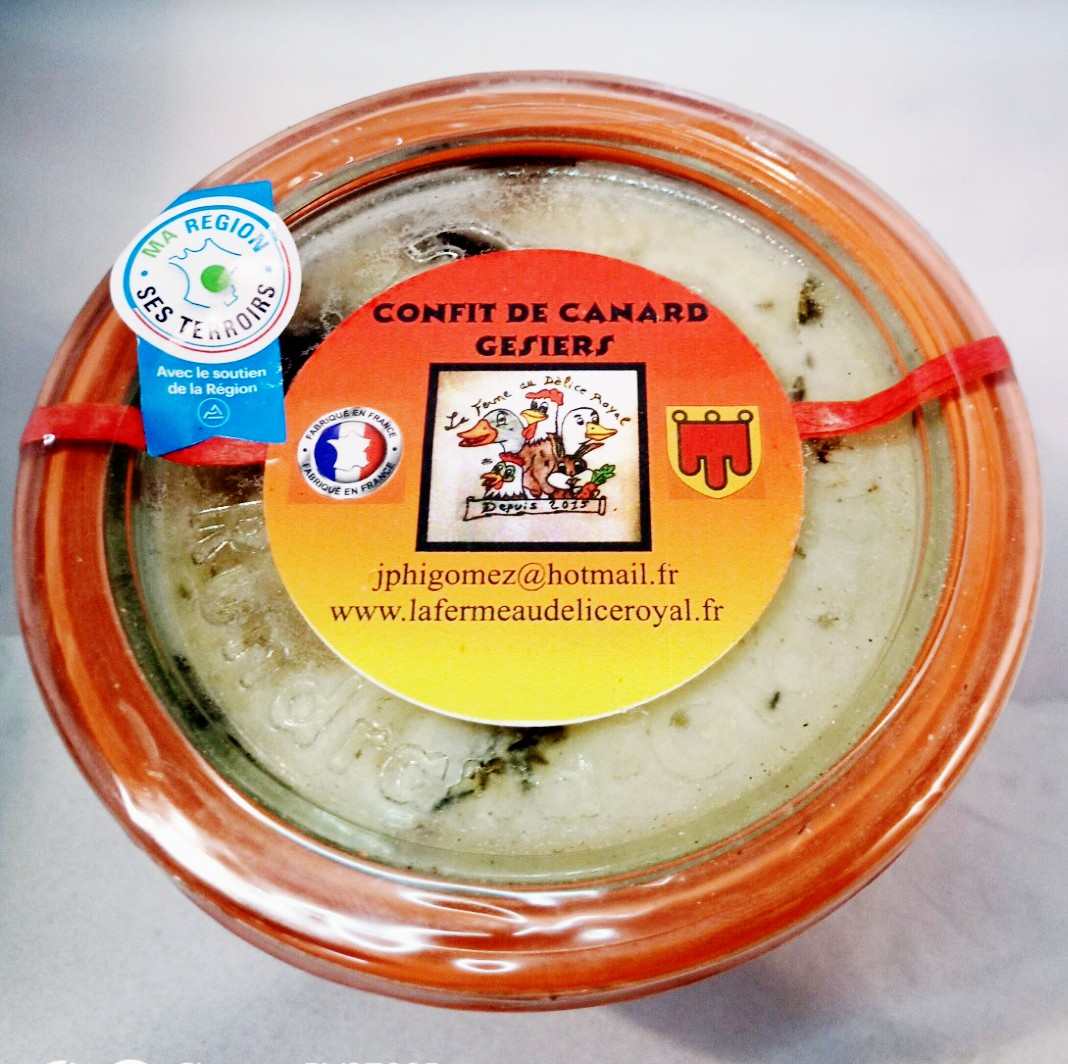
Duck confit gizzards

Duck confit 2 and 4 sleeves
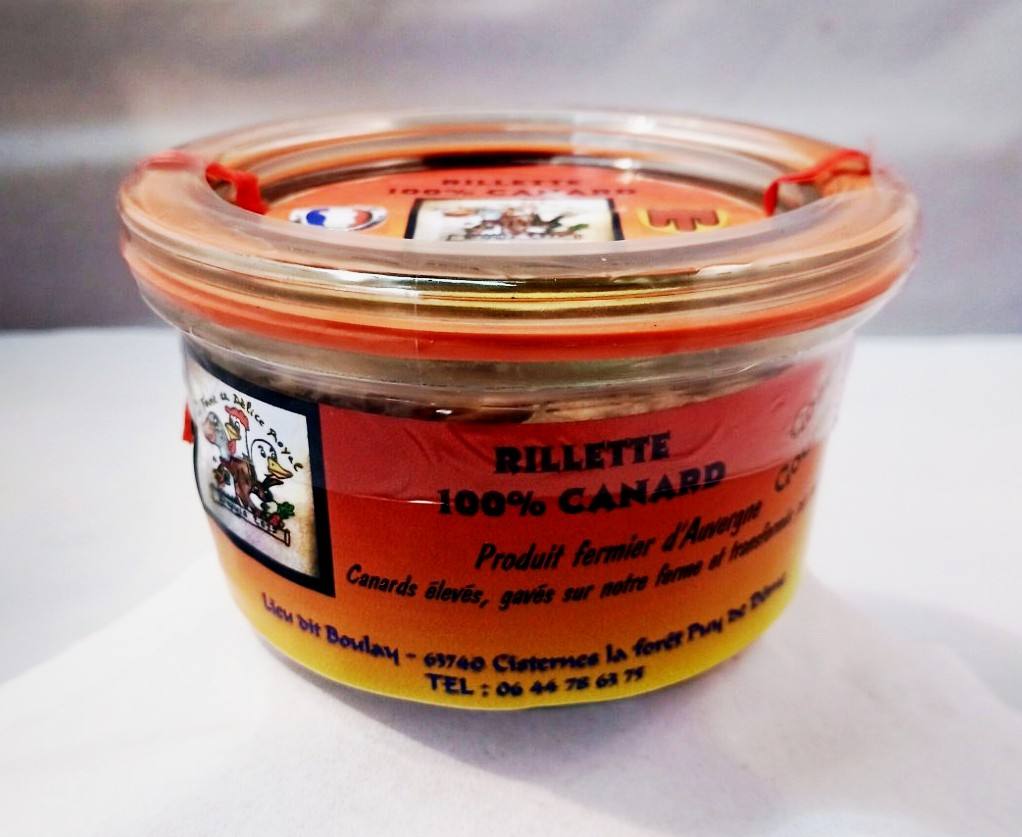
Duck rillette 120 gr
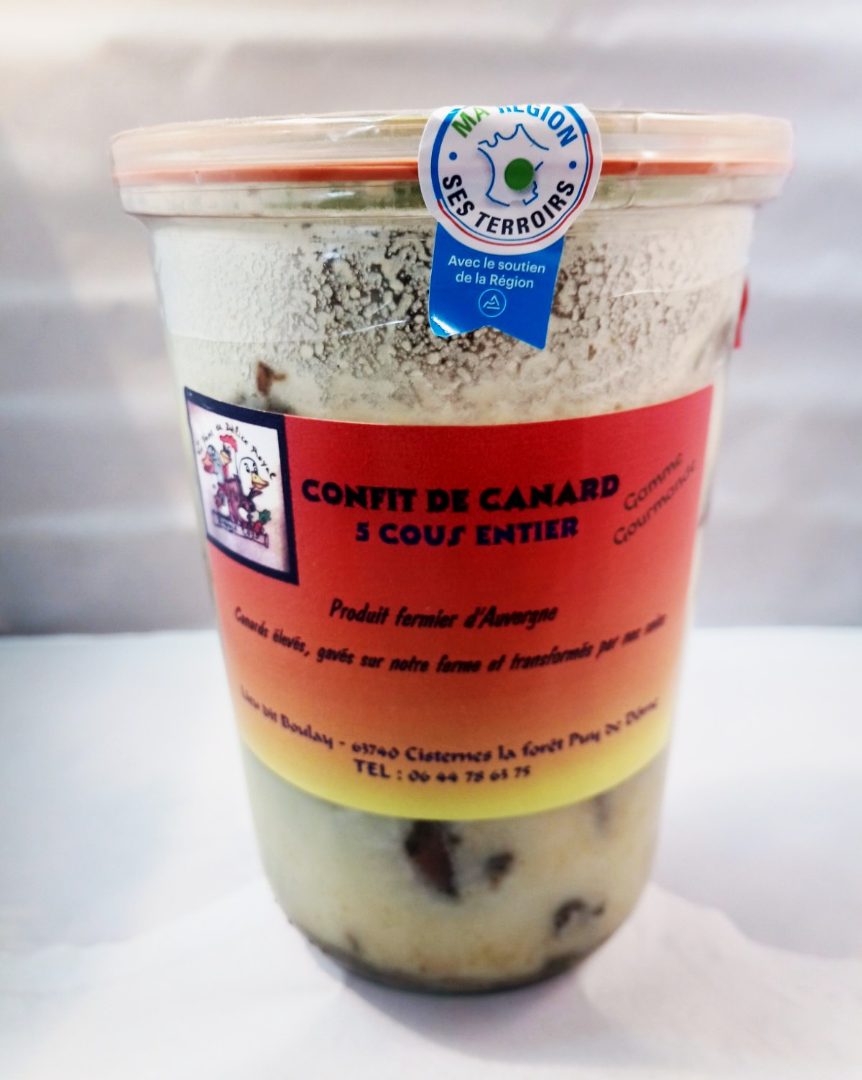
Whole neck duck confit per 5
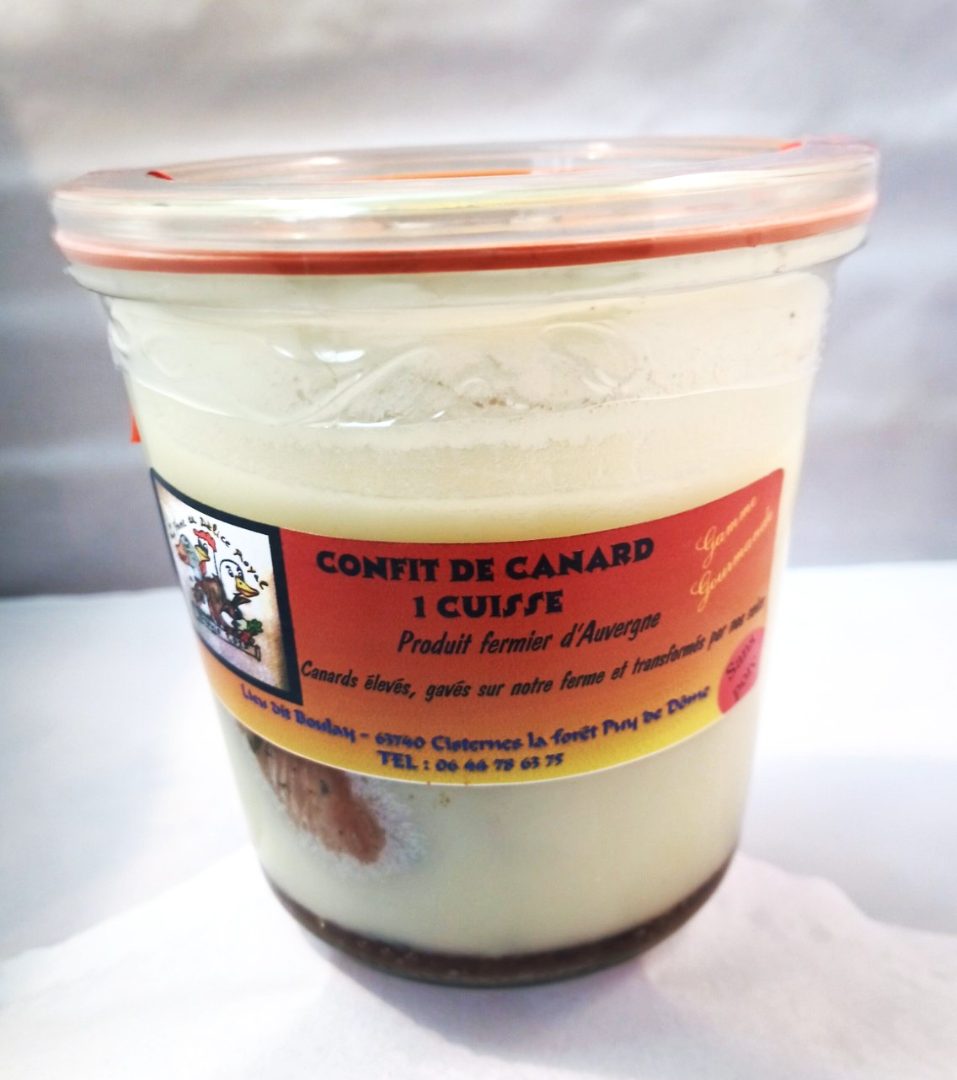
Duck confit legs by 1 and by 2
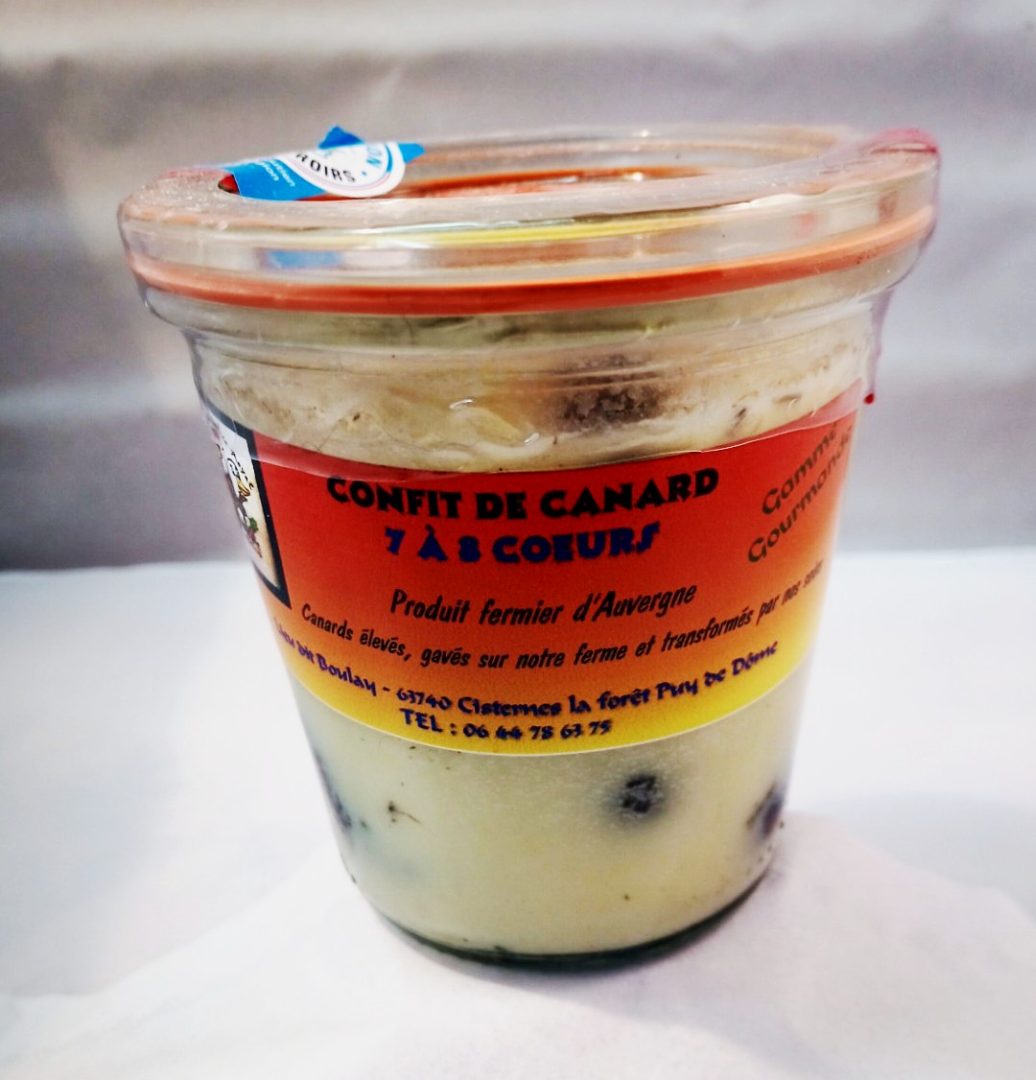
Duck Confit Hearts
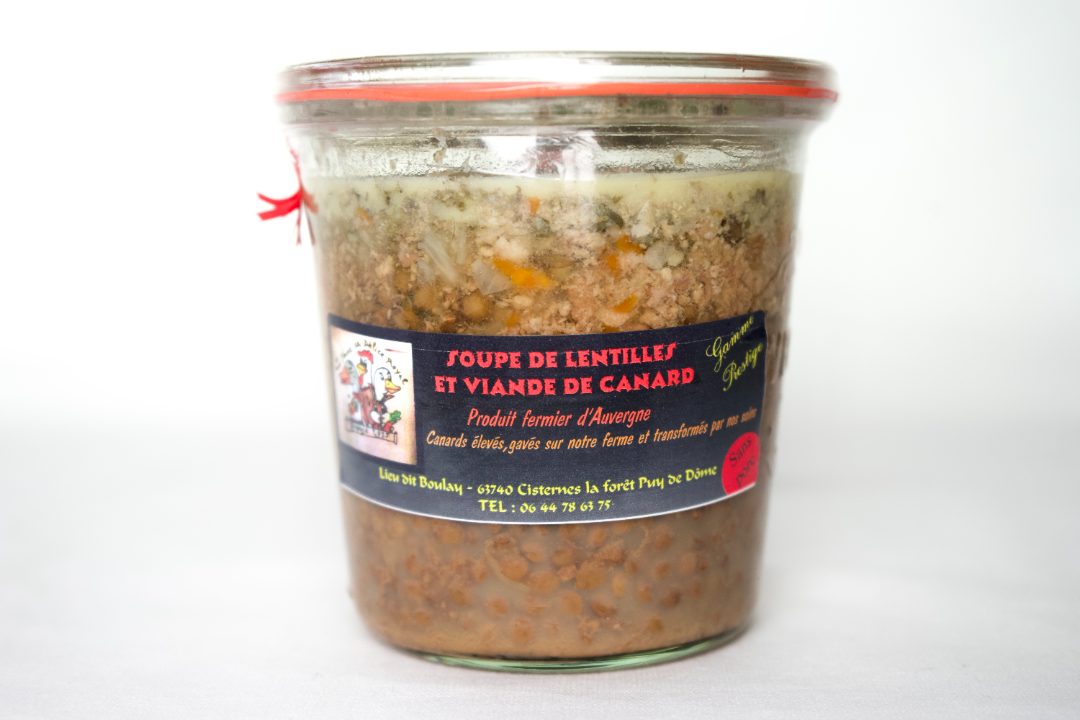
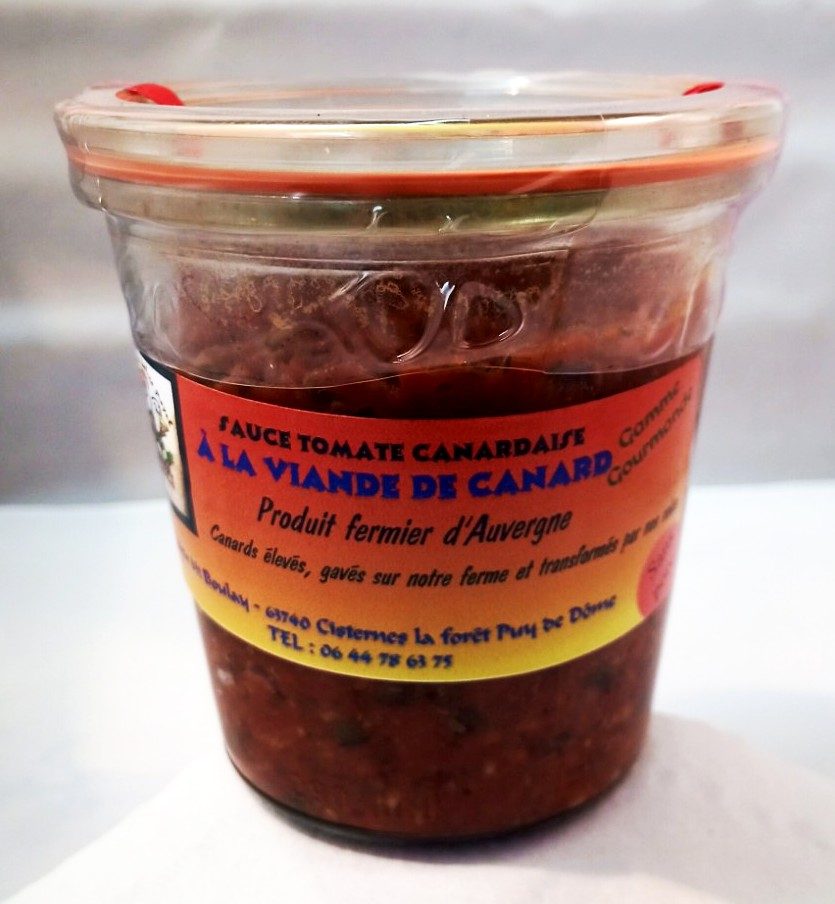
Duck meat soup (2 types)
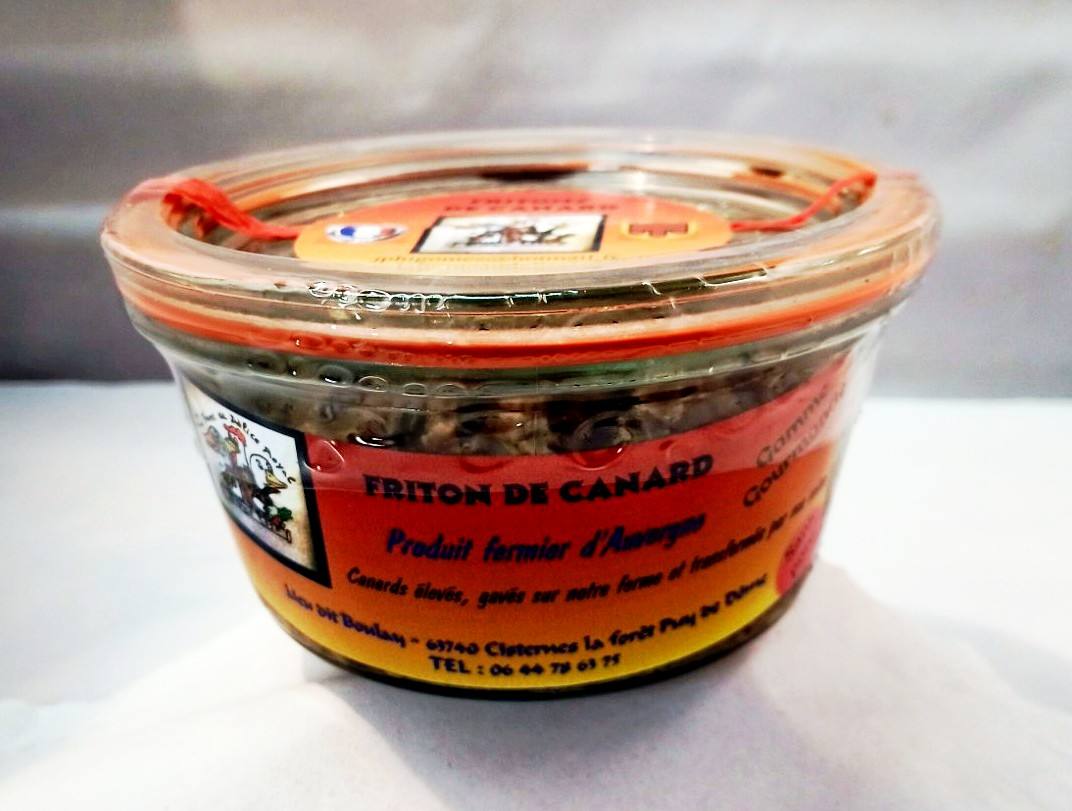
Duck friton
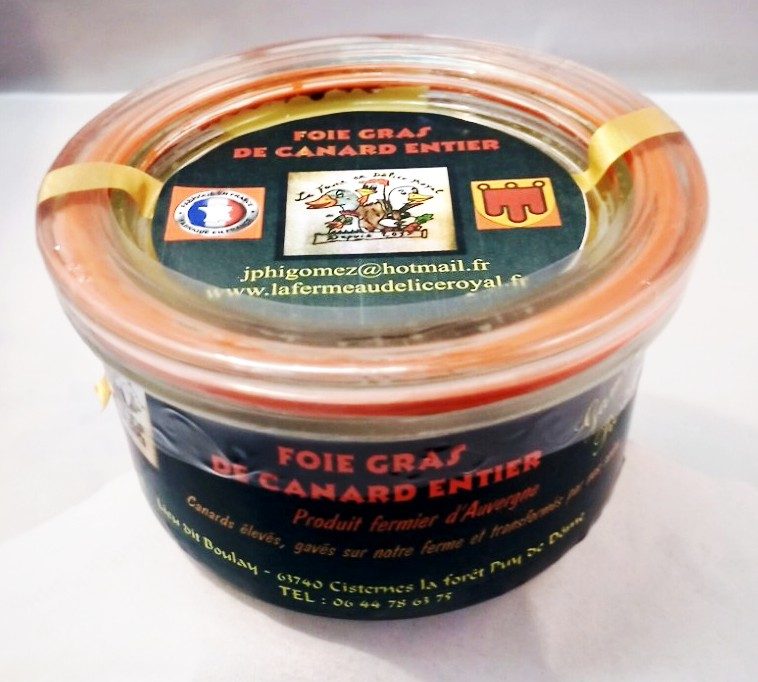
Whole duck foie gras 100, 200 and 270 gr
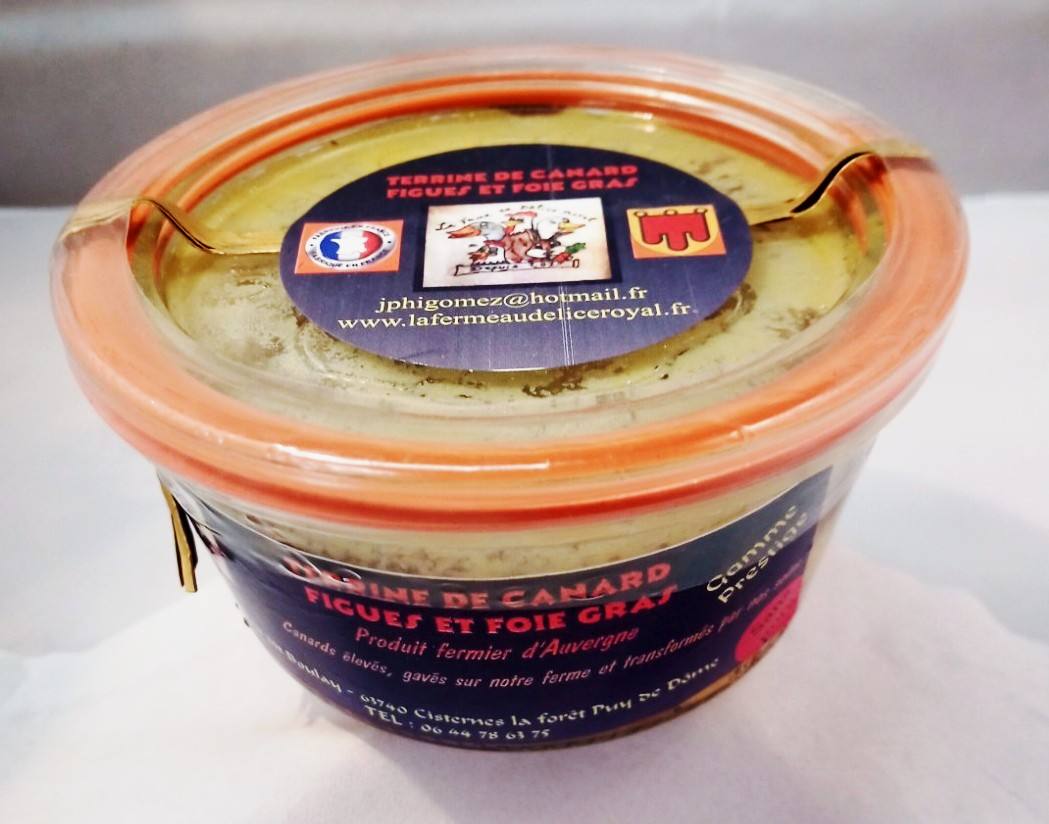
Duck terrine different varieties (continued)
Posted in Uncategorized
Salmonella spp. in organic sunflower cake from Germany in Austria
Salmonella and Enterobacteriaceae in pet food from Turkey in Spain
Safely serving friends and family during the big game is a win for everyone; don’t fumble it this Super Bowl Sunday. February 11 kicks off Super Bowl LVIII, and football fans will be huddling up to watch the big game while enjoying their favorite foods. Whether you’re ordering delivery, or preparing and serving food to guests, the U.S. Department of Agriculture’s (USDA) Food Safety and Inspection Service (FSIS) has some gameday plans to keep your Super Bowl from being intercepted by foodborne illness.
“Super Bowl parties are a fun time for people to unwind and enjoy the big game, but food safety must remain a top priority,” said USDA Under Secretary for Food Safety Dr. Emilio Esteban. “Simple steps like not leaving food out at room temperature for more than two hours or keeping hot foods hot and cold foods cold can help keep your friends and family safe.”
Follow these USDA tips to avoid getting caught offside with food safety this Super Bowl Sunday.
Deliveries and Takeout Foods
If you’re ordering takeout earlier in the day before the big game, make sure someone is there to get the food in a timely manner. Place any food that is not being eaten immediately in the refrigerator. When storing leftovers, divide them into smaller portions and place them into small, shallow containers. Perishable foods that have been sitting out at room temperature must be eaten within two hours after being cooked.
Stay in the In Zone, not the Danger Zone
If you’re serving food to groups, follow the two-hour rule. When perishable foods sit in the Danger Zone (temperatures between 40 F and 140 F) for more than two hours, bacteria can multiply rapidly. Meat and poultry must be refrigerated or frozen within two hours of sitting out on a counter in the Danger Zone. If you want to enjoy the big game and serve food longer than two hours, keep hot foods hot and cold foods cold. Hot foods must be kept at 140 F or above by using warming trays, chafing dishes, or a slow cooker. Cold foods must be kept at 40 F or below. To keep them cold, serve them in smaller portions and refill them, or place the food in containers and nestle them in ice.
Don’t Let Leftovers Sit on the Sidelines
Your Super Bowl leftovers will be safe for three to four days in the refrigerator. Reheat leftovers to the safe internal temperature of 165 F as measured with a food thermometer. Reheat liquid foods like soups and sauces to a boil. Tasting food to determine its safety is dangerous. When in doubt, throw it out!
Always Remember the Four Steps to Food Safety
If you have food safety questions, call the USDA Meat and Poultry Hotline at 1-888-MPHotline (1-888-674-6854), email MPHotline@usda.gov or chat live at www.ask.usda.gov 10 a.m. to 6 p.m. Eastern Time, Monday through Friday.
Posted in Uncategorized
Given the growing concern about foodborne diseases, intensive research and the development of new approaches are crucial. As shown in Table 1, recent scientific advances in the fight against foodborne pathogens and intestinal diseases have led to various innovative approaches. In the area of poultry health, ground breaking vaccine research against Clostridium perfringens marks a significant shift from relying on antibiotics to more sustainable practices. In the area of food safety, a study on the role of raw sheep’s milk in salmonella outbreaks highlights the critical link between milk processing and public health and highlights the need for stringent safety standards in the dairy industry. In the field of probiotics, the particular focus on Bifidobacterium longum helps to improve our understanding of the gut microbiome and develop more effective probiotic therapies. At the same time, alternative treatments for Campylobacter jejuni infections are being explored, including clove essential oil, which has been shown to reduce bacterial load and inflammation without antibiotics. This is part of a broader strategy that combines natural remedies with probiotic findings for a comprehensive treatment of intestinal infections. In addition, reviews on microbial biofilm formation and antibiotic resistance emphasize the urgent need for integrated strategies to improve food safety. These studies demonstrate the interdisciplinary nature of current research and emphasize the importance of combining different scientific approaches to effectively combat foodborne pathogens. The study by Fu et al. (Table 1) addresses a critical problem in poultry health: necrotic enteritis caused by Clostridium perfringens. The ground breaking contribution of this research lies in the development of vaccines using the bacterium’s sporulation proteins. Until now, antibiotics have been used to combat this disease, but their overuse has led to an alarming increase in antibiotic resistance, which poses a significant global health risk. This innovative vaccine strategy could revolutionize poultry health management and promise to improve poultry welfare and align with global efforts to minimize antibiotic use in animal husbandry, leading to healthier poultry production and safer products for human consumption.
Posted in Uncategorized

 FoodWorld