Tag Archives: food standards agency

UK – FSA Reports – Food Poisoning -Food Incidents

I have been on annual leave so here is a summary from the UK.

FSA

New research published today by the Food Standards Agency gives the most detailed picture yet of how many people suffer from food poisoning in the UK every year and how much food poisoning can be attributed to different foods

FSA

The Food Standards Agency has today published its latest Annual Report of Food Incidents. The report highlights the wide range of incidents we have managed during 2013. Last year, a total of 1,562 food and environmental contamination incidents in the UK were reported to and investigated by us. This figure was 42 down on 2012 but higher than in many previous years.


UK – 87 Greater Manchester Restaurants “0” Food Hygiene Scores

Manchester Evening News

Almost 90 restaurants in Greater Manchester have a zero out of five rating from the Food Standards Agency including restaurants near Piccadilly and the Trafford Centre.

Both Swadesh, a swanky Indian restaurant on Portland Street, and Rice Flame and Grill in the Trafford Centre, were among the 87 businesses receiving the lowest possible score.

The borough with the highest number of zero star restaurants was Bolton, with 26 establishments receiving the low food hygiene score, while Salford came second with 13 restaurants being given no stars for food hygeine.

Bury was the only borough to have no restaurants with the low score while Wigan now has only one zero star restaurant after two of them closed earlier this year.

UK Research- Norovirus in Food Outlets to be Mapped

Medical Press norovirus-2(1)

The University of Liverpool is leading a £2 million Food Standards Agency (FSA) project to map the occurrence of norovirus in food premises and industry workers.

Norovirus outbreaks can rapidly affect of people. In 2012 a batch of frozen strawberries infected 11,000 people in Germany, but there are significant gaps in the authorities’ understanding of which strains cause and which foods are the most likely to harbour the bacteria.

Researchers will produce data that will help the FSA to develop plans to reduce the infection by collecting swabs from work surfaces at more than 200 pubs, restaurants and hotels in the North West and South East of England.


UK – FSA – Raw Milk Consultation

FSAimagesCAZ9J1WP

The Food Standards Agency (FSA) has today published proposals that would continue to allow farmers to sell unpasteurised, or raw, milk to consumers from their farms or at farmers’ markets.

The FSA has reviewed the current controls to make sure they are clear, consistent and control the public health risks associated with raw milk, particularly for emerging sales routes such as the internet and vending machines. The review covered England, Wales, and Northern Ireland. Sale of raw milk is banned in Scotland.

UK – FSA – Food Safety Plan 2014-2015 Update

FSAfood_standards_agency_logo

 The linked document summarises the topic areas in which the Food Standards Agency is considering taking forward new science and evidence activities, including, where necessary, issuing requests for science and evidence proposals in financial year 2014/2015. These will deliver the evidence it needs to support its Strategic Plan 2010 – 2015 (and possible future needs), published in December 2009 (and updated in March 2011)

The five outcomes the Agency aims to deliver are:

  • food produced or sold in the UK is safe to eat
  • imported food is safe to eat
  • consumers understand about safe food and healthy eating, and have the information they need to make informed choices
  • food products and catering meals are healthier
  • regulation is effective, risk-based and proportionate, is clear about the responsibilities of food business operators and others, and protects consumers and their interests from fraud and other risks

The strategy, which will be reviewed annually, was developed in consultation with all FSA stakeholders earlier this year and discussed at the Agency’s open Board meeting in November 2009.

UK – FSA – Call For Tender – Effectiveness of Surface Treatment in Reducing Microbiological Contamination

FSAfood_standards_agency_logo

The Food Standards Agency is inviting tenders to carry out research on the effectiveness of surface treatment in reducing microbiological contamination of meat. This project only applies to meat intended for the production of raw or lightly cooked food.

UK – FSA – Raw Eggs v Left Over Rice – Which is More of a Food Safety Risk

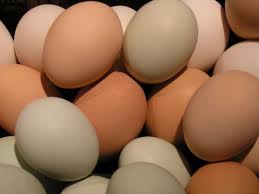
Food Poisoning BulletinEGGS

Did you know that foods other than raw eggs and raw meats present a food poisoning hazard? Cooked rice is one of those foods.

The Food Standards Agency is warning consumers that reheated rice is a food safety hazard. Uncooked rice can contain bacterial spores. When the rice is cooked, the spores survive.

Food Standards Agency

Cooking food properly will help make sure that any harmful germs are killed. Eating food that isn’t properly cooked could make you ill


UK – FSA – Food Business Toolkit

FSAfood_standards_agency_logo

The Food Standards Agency is encouraging food business to make the most of their food hygiene rating to help attract customers trade. A toolkit offering guidance, images, logos and web banners is available.

UK – FSA – FSA Seeks Information on Cost of Proposed Stricter Criteria for Listeria

FSAfood_standards_agency_logo

The Food Standards Agency is asking businesses to provide information and data on the impact of proposed new guidance. The Agency wants to know the costs and benefits of guidance for stricter criteria for Listeria monocytogenes in ready-to-eat (RTE) food supplied to hospitals, nursing homes and similar healthcare settings. Responses to the questionnaire should be received by Friday 23 August 2013.

UK – FSA Annual Food Incidents Report

FSA food_standards_agency_logo

The Food Standards Agency has today published its latest Annual Report of Food Incidents. The report highlights the wide range of incidents managed by the Food Standards Agency during 2012.

Last year, a total of 1,604 food and environmental contamination incidents in the UK were reported to and investigated by the FSA. This figure was 110 down on 2011 but higher than in many previous years. The three largest contributors to these incidents were microbiological contamination (20%), environmental contamination (15%) and natural chemical contamination (13%).

One of the valuable roles played by the report is providing insight into why certain types of incident have increased. For example, FSA investigations show a recent rise in a certain type of salmonella was mostly the result of paan leaves imported from Bangladesh. Similarly, the number of allergen-related incidents appears to have risen by more than half since 2010. Statistics suggest, however, that legislative changes relating to gluten may have been a major contributory factor.

The report also shows a rise in the number of whistleblowers who contacted the FSA during the year. A total of 81 cases originated from whistleblowers during 2012 – up from 54 the previous year.

Catherine Brown, Chief Executive of the Food Standards Agency, said: ‘We hope that this annual report encourages food businesses and consumers to notify us promptly of incidents and of any other potentially-useful intelligence they have. This will enable us to act swiftly to protect the public and the food industry and, in so doing, increase public confidence in food safety.’

The data released today does not include the incidents of horsemeat contamination that came to light in the first half of 2013, as these occurred outside of the scope of the report. All incidents notified to the FSA are reviewed, and in the case of horsemeat the FSA has commissioned an additional independent external review of how it responded. This is due to report shortly.

Catherine Brown said: ‘Although the horsemeat incident occurred outside the scope of this report, I would like to highlight the resolve with which the FSA responded. Working closely with other Government departments and the food industry, the Agency ensured that 6,000 tests of frozen products were carried out within three weeks – far more than any other EU member state. The UK was also the first country to submit a dossier to Europol and the first country to make arrests.

‘By responding so quickly, we were able to reassure the public that more than 99% of the tests undertaken in the UK contained no horse DNA at the level of 1% or above, and that there was no threat to public health.’