
RASFF-aflatoxins (B1 = 152 µg/kg – ppb) in shelled groundnuts from Sudan in the UK
RASFF-aflatoxins (B1 = 87 µg/kg – ppb) in groundnuts from the United States in the Netherlands

RASFF-aflatoxins (B1 = 152 µg/kg – ppb) in shelled groundnuts from Sudan in the UK
RASFF-aflatoxins (B1 = 87 µg/kg – ppb) in groundnuts from the United States in the Netherlands
Posted in Uncategorized

RASFF-Salmonella (presence /25g) in sunflower seed meal from Hungary in Croatia
RASFF-Salmonella (presence /25g) in organic sunflower cake from Italy in Austria
Posted in Uncategorized
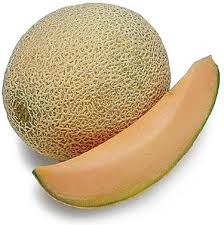
As of today, a total of nineteen people have been affected by the Australian Listeria outbreak linked to contaminated rockmelon, in New South Wales (6), Victoria (8), Queensland (4) and Tasmania (1). There are three fatalities in Victoria and two in New South Wales have also died from eating the tainted fruit.Through the use of state of the art genetic sequencing technology the outbreak was narrowed from thousands of possible sources to a grower in Nericon, Rombola Family Farms.
People who are most vulnerable to Listeria infection (such as older persons, and people who have weakened immune systems due to illness or pregnancy) are advised to discard all rockmelon purchased before March 1, 2018.
Forty-seven more ill people have been reported and 8 more states (Alaska, Illinois, Indiana, Maryland, Mississippi, Nevada, Texas, and West Virginia) are included in this outbreak, bringing the total to 87 sick people from 35 states.
Twenty seven people required hospitalization for their illness. No deaths have been reported.
The Centers for Disease Control and Prevention (CDC) also expanded the investigation to include outbreak strains from three additional serotypes of Salmonella: Salmonella Javiana, Salmonella Okatie, and Salmonella Thompson, in addition to Salmonella I 4,[5],12:b:- .
Epidemiologic and laboratory evidence indicates that kratom is the likely source of this multistate outbreak. No common brands or suppliers of kratom products have been identified at this time.
Posted in Salmonella, Uncategorized
As a precautionary measure, Estyria Naturprodukte GmbH is recalling all batches of Golden Sun Bio Organic Amaranth, which were sold in Lidl stores. As part of routine testing, Salmonella was detected in the product. Point-of-sale recall notices will be displayed in stores that sold this product.
Posted in FSAI, Salmonella, Uncategorized
Eleven more cases of listeriosis have been reported to the National Institute for Communicable Diseases (NICD), but no more deaths so far.
“No additional deaths have been reported since the last situation update [on March 8],” the NICD said on Thursday.
So far, 183 people have died of the food-borne disease outbreak and 978 cases have been reported since January 2017.
Posted in Uncategorized
Ottawa, March 15, 2018 – The food recall warning issued on March 14, 2018 has been updated to include additional product information. This additional information was identified during the Canadian Food Inspection Agency’s (CFIA) food safety investigation.
Organic Matters is recalling Organic Matters brand Organic Cardamom Seed Whole Green Pods from the marketplace due to possible Salmonella contamination. Consumers should not consume the recalled products described below.
| Brand Name | Common Name | Size | Code(s) on Product | UPC |
|---|---|---|---|---|
| Organic Matters | Organic Cardamom Seed Whole Green Pods | 113g | Lot# W5934 | None |
| Organic Matters | Organic Cardamom Seed Whole Green Pods | 454g | Lot# W5934 | None |
Posted in CFIA, Food Safety, Food Safety Alert, Salmonella, Uncategorized
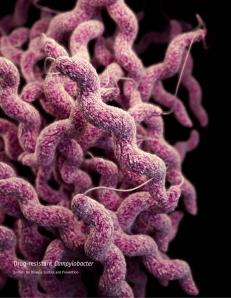
FOOD poisoning cases from a potentially deadly bug commonly found in chickens are on the rise in Scotland.
Nearly 6000 people in Scotland were sickened by campylobacter in 2017, up nine per cent on the previous year, while confirmed cases of salmonella remained stable at 839.
Posted in Uncategorized
This study was designed to determine the efficacy of probiotics mixture in the control of Shiga-toxin Escherichia coli (STEC) O157:H7 in experimentally infected lambs. Fifteen Yankassa breed of lambs aged between 3-4 weeks old were used. The lambs were divided into three groups of five lambs each (n=5). Group A: Neither probiotics nor STEC O157:H7 were administered (control), Group B: lambs were administered viable STEC O157:H7 cells at 6 x 10⁸CFU/ml together with daily administration of probiotics mixture at 4.5 x10⁸ CFU/ml, Group C: lambs were administered only viable STEC O157:H7 cells at 6×10⁸ CFU/ml without probiotics. Faecal samples from all the experimental lambs were screened for the presence of STEC O157:H7 before the commencement of this study using Tryptone soy broth (TSB) as an enrichment media and Cefixine-tellurite sorbitol MacConkey agar (CT-SMAC) as a selective media. Following oral inoculation of the lambs with STEC cells, faecal samples were collected once weekly for six weeks, for STEC O157:H7 isolation and enumeration. STEC O157:H7 was confirmed by its reaction with O157 and H7 anti-sera (Wellcomexr). STEC O157:H7 was not shed by lambs in group A (control). However, Group B lambs administered a mixture of probiotics shed significantly lower (P<0.05) counts of STEC cells in the six weeks post-infection than Group C lambs that received only STEC cells without probiotics. In conclusion, the use of probiotics mixture significantly (P<0.05) reduced the faecal shedding of STEC O157:H7. It was therefore recommended that probiotics should be administered to lambs to help control these pathogens.
Posted in Uncategorized

 FoodWorld