Category Archives: water microbiology

USA – YMCA Hot Tub in Waco, Texas Investigated In Legionnaires’ Disease Outbreak

Outbreak News Today

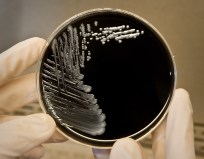
legionellac

Image CDC


Two people in Waco have been diagnosed with Legionnaires’ disease after using a local YMCA’s hot tub. The Waco-McClennan County Health District is investigating the Waco Family YMCA located at 6800 Harvey Rd., Waco, Texas. The hot tub is expected to be closed for the next few weeks, while the water undergoes testing for Legionella bacteria.

Rodney Martin, CEO of YMCA of Central Texas, stated, “Exposure to the Legionella bacteria may have occurred at the Waco Family YMCA.  Hot tubs specifically are a potential source and in both instances there was exposure in the hot tub area.”

USA – Legionnaires’ disease cases linked to Crookston, MN hotel

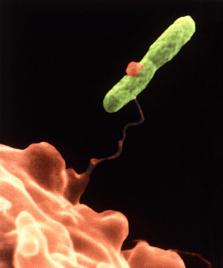
Outbreak News Today Legionella A

Minnesota health officials report investigating four recent cases of Legionnaires’ disease associated with a Crookston area hotel.

Four people who became ill between Jan. 22 and Jan. 27 all reported spending some time at the Crookston Inn and Convention Center prior to their illnesses. None of the ill people were overnight guests at the hotel, but all visited the hotel for various occasions.

UK – Local authority sentenced after member of public contracts Legionnaires’ Disease

HSE

Tendring District Council has been fined after a member of public contracted Legionnaires’ Disease having been a regular user of its leisure centre facilities.

Colchester Magistrates’ Court heard how the member of public frequently used the showers at Walton Lifestyles when, in November 2016, he fell seriously ill and was taken to hospital where he remained for 18 days. He was diagnosed with Legionnaires’ disease, sepsis, pneumonia and chronic kidney failure.

Water samples taken from the men’s shower tested positive for the legionella bacteria. Legionella bacteria can proliferate in hot and cold water systems that aren’t properly maintained or cleaned.

New Zealand – Shellfish biotoxin alert – Bay of Plenty and Waikato region

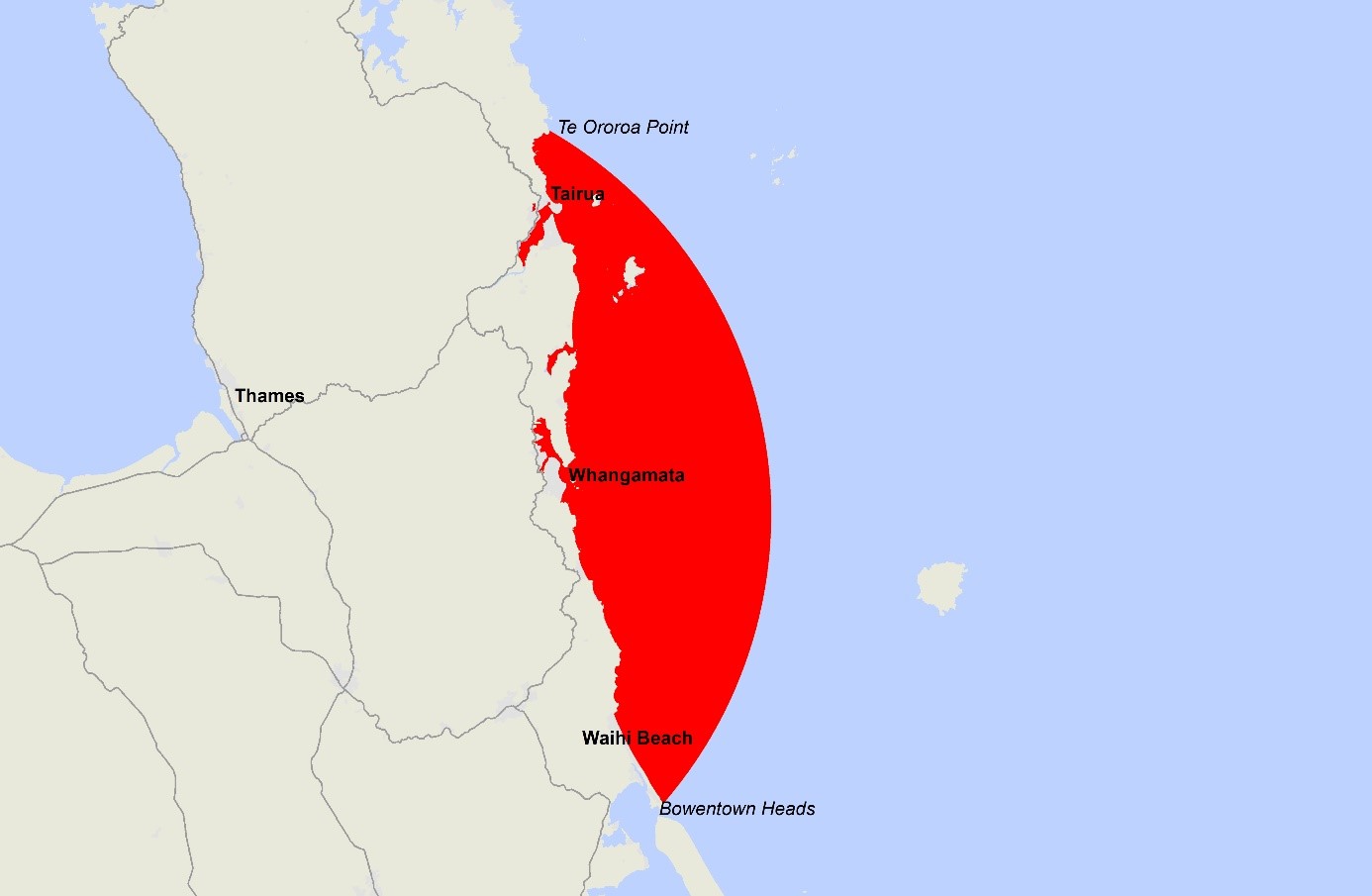
MPI Map highlighting in red the areas affected.

The Ministry for Primary Industries (MPI) today issued a public health warning advising the public not to collect or consume shellfish harvested from the Bay of Plenty/Waikato region from Te Ororoa Point, just north of Tairua, down to Bowentown Heads but not including Tauranga Harbour.

Routine tests on shellfish samples taken from this region have shown levels of Paralytic Shellfish Poisoning (PSP) toxins above the safe limit of 0.8 mg/kg set by MPI. Anyone eating shellfish from this area is potentially at risk of illness.

Mussels, oysters, tuatua, pipi, toheroa, cockles, scallops, catseyes, kina (sea urchin) and all other bivalve shellfish should not be eaten.

Note: Cooking shellfish does not remove the toxin.

Pāua, crab and crayfish may still be eaten if the gut has been completely removed prior to cooking, as toxins accumulate in the gut. If the gut is not removed its contents could contaminate the meat during the cooking process.

Symptoms typically appear between 10 minutes and 3 hours after ingestion and may include:

  • numbness and tingling (prickly feeling) around the mouth, face, and extremities (hands and feet)
  • difficulty swallowing or breathing
  • dizziness
  • a headache
  • nausea
  • vomiting
  • diarrhoea
  • paralysis and respiratory failure and in severe cases, death.

India -Govt. of Assam prohibits sale of Bailley brand packaged drinking water – Biological Parameter Issues

FNB News

The state of Assam has prohibited the manufacture, storage, distribution and sale of Bailley brand packaged drinking water effective from January 18 citing violation of  Food Safety and Standards Act, 2006.

It is learnt that some samples tested by Food and Drug Administration (FDA), Assam, were found violating biological parameters. Also there were issues with high fluoride content.

In this regard, a statement by the FDA says, “In the interest of public health, the packaged drinking water has been banned from production for a period of 30 days, effective today (January 18).”

The packaged drinking water in question is being manufactured by Udayak Agro Products Pvt. Ltd in Kahilakuchi, Satgaon in Guwahati, while the testing was done at various labs including reference lab in Kolkata.

Meanwhile, L R Nampui, designated officer, food safety, Kamrup (M), Guwahati, revealed that during a routine drive, it was found that the packaged water concerned was not complying with the norms.

He pointed out, “As a part of routine work, food safety officers set out on the duty with their team to M/s Udayak Agro Products Pvt. Ltd in Kahilakuchi, Satgaon in Guwahati and collected the samples of packaged drinking water in which fluoride and microbiological parameters were found in violation of the prescribed norms.”

He informed that the Assam government has given 30 days rectification time to the brand.

Bailley is a packaged drinking water brand of Parle Agro. When contacted, the company did not respond to queries.

USA – Legionnaires’ disease cluster reported in Brooke County, WV

Outbreak News Today legionellac

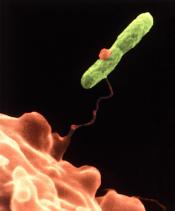
Brooke County, WV health officials report investigating a cluster of six Legionnaires’ disease cases. At this time, there is no link to any of the cases as a common source or location.

Legionellosis is a bacterial disease of the lungs caused by Legionella pneumophila. The disease can range from a mild respiratory illness to severe pneumonia and death. The most common form of legionellosis is known as “Legionnaires’ disease,” named after an outbreak in 1976 when many people who attended an American Legion conference in Philadelphia became ill.

Most people contract the disease by inhaling mist or vapour from a water source contaminated with the bacteria.   The disease is not contracted by drinking contaminated water, and person-to-person spread of legionellosis does not occur.

Europe – Legionnaires’ disease – Annual Epidemiological Report for 2017

ECDC

Publication series: Annual Epidemiological Report on Communicable Diseases in Europe
Time period covered: This report is based on data for 2017 retrieved from The European Surveillance System (TESSy) on 13 July 2018.

New Zealand – Shellfish biotoxin alert – between Granville Point and Cape Karikari

MPI

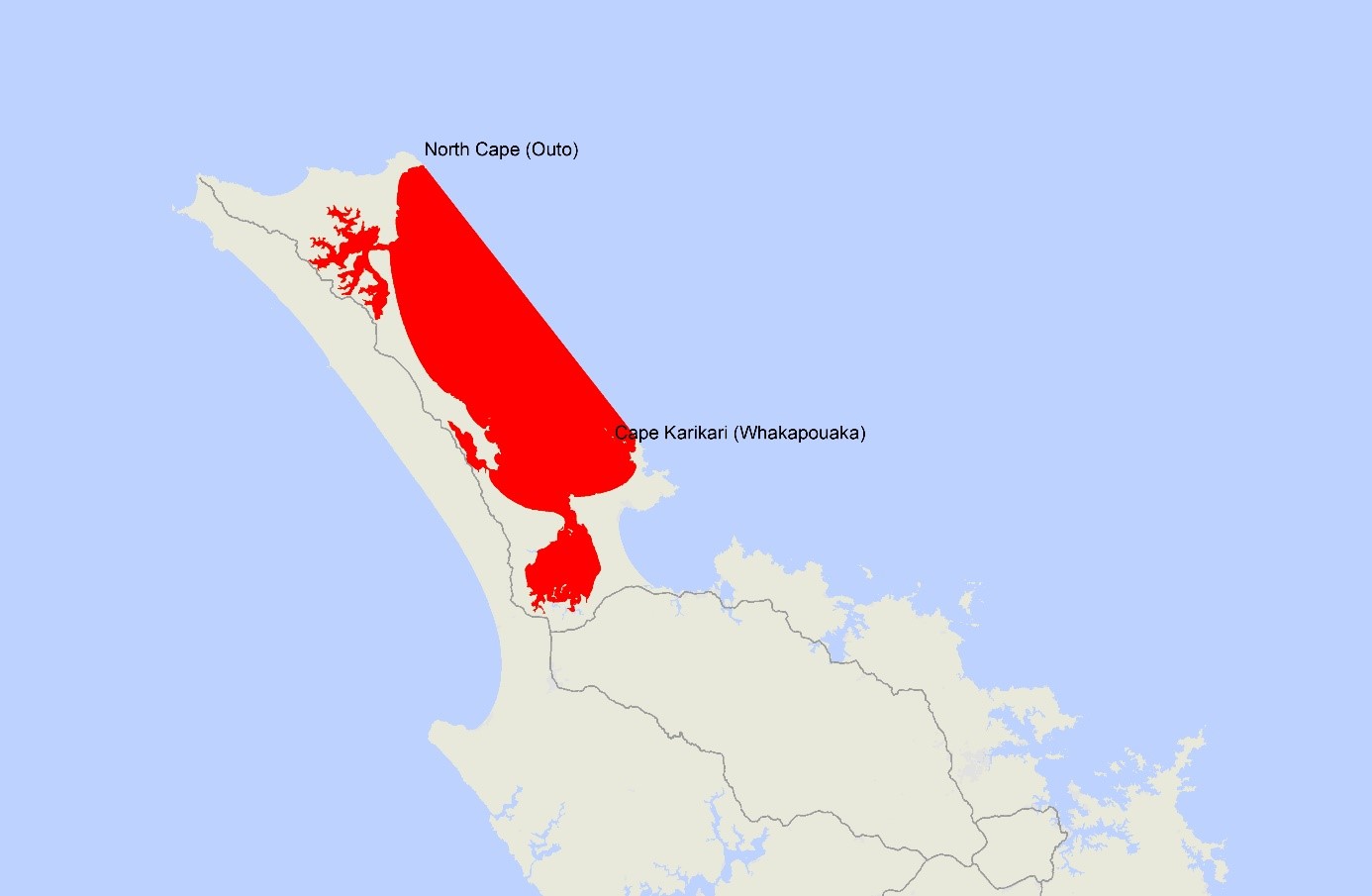
Map highlighting in red the areas affected.

The Ministry for Primary Industries (MPI) today issued a public health warning advising the public not to collect or consume shellfish harvested from the Northland area between Granville Point and Cape Karikari (Whakapouaka). This warning includes Houhora and Rangaunu Harbours.

Routine tests on shellfish samples taken from this region have shown levels of Paralytic Shellfish Poisoning (PSP) toxins above the safe limit of 0.8 mg/kg set by MPI. Anyone eating shellfish from this area is potentially at risk of illness.

Mussels, oysters, tuatua, pipi, toheroa, cockles, scallops, catseyes, kina (sea urchin) and all other bivalve shellfish should not be eaten.

Note: cooking shellfish does not remove the toxin.

Pāua, crab and crayfish may still be eaten if the gut has been completely removed prior to cooking, as toxins accumulate in the gut. If the gut is not removed its contents could contaminate the meat during the cooking process.

New Zealand -Shellfish biotoxin alert – Northland East Coast

MPI

Map highlighting in red the areas affected.

The Ministry for Primary Industries today extended the public health warning against collecting shellfish in the Northland east coast region. The affected area now extends from North Cape (Outo) south to Cape Karikari (Whakapouaka). The warning includes Parengarenga, Houhoura and Rangaunu Harbours.

This warning has been extended due to a reported illness from someone consuming shellfish collected from Rarawa Beach.

MPI is undertaking sampling and testing of shellfish from this region. Test results have shown levels of Paralytic Shellfish Poisoning (PSP) toxins above the safe limit of 0.8 mg/kg set by MPI.

Anyone eating shellfish from this area is potentially at risk of illness.

Mussels, oysters, tuatua, pipi, toheroa, cockles, scallops, catseyes, kina (sea urchin) and all other bivalve shellfish should not be eaten.

Note: cooking shellfish does not remove the toxin.

Pāua, crab and crayfish may still be eaten if the gut has been completely removed prior to cooking, as toxins accumulate in the gut. If the gut is not removed its contents could contaminate the meat during the cooking process.


Research – Biofilms and Meat Safety: A Mini-Review

Journal of Food Protection

Biofilms are surface-attached microbial communities with distinct properties, which have a tremendous impact on public health and food safety. In the meat industry, biofilms remain a serious concern because many foodborne pathogens can form biofilms in areas at meat plants that are difficult to sanitize properly, and biofilm cells are more tolerant to sanitization than their planktonic counterparts. Furthermore, nearly all biofilms in commercial environments consist of multiple species of microorganisms, and the complex interactions within the community significantly influence the architecture, activity, and sanitizer tolerance of the biofilm society. This review focuses on the effect of microbial coexistence on mixed biofilm formation with foodborne pathogens of major concern in the fresh meat industry and their resultant sanitizer tolerance. The factors that would affect biofilm cell transfer from contact surfaces to meat products, one of the most common transmission routes that could lead to product contamination, are discussed as well. Available results from recent studies relevant to the meat industry, implying the potential role of bacterial persistence and biofilm formation in meat contamination, are reviewed in response to the pressing need to understand the mechanisms that cause “high event period” contamination at commercial meat processing plants. A better understanding of these events would help the industry to enhance strategies to prevent contamination and improve meat safety.