Monthly Archives: March 2014

USA – Recall Organic Basil – Salmonella

Food Poisoning Bulletin

Infinite Herbs LLC of Miami is recalling 600 units of organic basic because a test by the FDA found Salmonella bacteria. Subsequent testing on other lots did not find any of the Salmonella bacteria. The basil was sold only at Trader Joe’s stores in Florida, Georgia, Louisiana, North Carolina, South Carolina, Southern Virginia, and Tennessee.

The recalled product is Infinite Organic Basil, sold in clear plastic clamshell packages that weigh 2.5 ounces. They were packed on February 21, 2014. The code date is “Date Packed 02/21 20422″. The SKU number is 97197. No illnesses have been reported to date in connection with the consumption of this product.

Canada – CFIA Extended Recall – Cheese – Listeria monocytogenes

CFIA CIFA

Castle Cheese Inc. is recalling Meddo Belle and Okanagan’s Choice Cheese brands shredded cheese products from the marketplace due to possible Listeria contamination. Consumers should not consume the recalled products described below.

The following products have been sold in Alberta, British Columbia, and may have also been distributed in other provinces.

Recalled products

Brand Name Common Name Size Code(s) on Product UPC
Meddo Belle Crumbled Feta Cheese 200 g Best Before 14 DE 13 0 62608 13907 0
Okanagan’s Choice Cheese Chipped Parmesan Cheese 175 g Best Before 14 DE 31 0 59756 07314 1
Okanagan’s Choice Cheese Shredded Parmesan Cheese 175 g Best Before 14 DE 31 0 59756 07210 6

Research – New Food Safety Smartphone App

Food Magazine

Food safety and biosecurity service provider, AsureQuality has developed the new website brand; inSight, which allows consumers to access independent evidence on the products that they are buying via their smartphone device.

inSight allocates a unique QR barcode to products that have undergone a rigorous supply chain assessment and obtained an “inSight licence”. The barcodes are then printed on product packaging for consumers to scan with their mobile devices. Once the product has been scanned, consumers will be taken directly to the inSight website where they can view independent evidence about the product features prior to purchase.

Germany – Norovirus in Ice Cream

SUDWEST PRESS Eurofins

By Thursday afternoon, there were 157 reports of a gastrointestinal virus’ that were reported to the local health department. Laut dem Reutlinger Amt wurden im konsumierten Speiseeis Noroviren nachgewiesen. According to the Reutlinger Office noroviruses were detected in the ice cream consumed.

Link

In recent days, the local health department of doctors in private practice have been increasingly reported cases of disease that are associated with the consumption of ice cream in one Metzingen.

Overall, the local health department have so far 157 patients .The patients complain primarily of nausea, vomiting and diarrhea.

The investigation revealed that the majority of people on the past Sunday consumed ice cream and the diseased approximately 24 hours later. A laboratory diagnosis of the patients is still pending.

New Zealand – Milk and Cream – Listeria monocytogenes

Radio New Zealand

South Island milk producer Klondyke is recalling milk and cream as it may contain listeria.

The milk and cream is sold in dairies and food outlets throughout the lower South Island.

The Ministry for Primary Industries said on Friday night that Klondyke fresh brand Blue, Light and Trim milk and fresh Cream products are being recalled.

The milk and cream is not sold overseas.

The ministry said all products with the best before dates of 14 and 22 March should not be consumed and should be returned for a refund.

Ireland – FSAI Updated Recall – Mussels – DSP

FSAI fsai

Shellfish De La Mer Ltd Recalls Certain Seafood Products Due to Associated Illnesses

Chowder Mix, 450 g, 2 kg; Uncooked Chowder Mix (with mussels), 1kg; Frozen Seafood Chowder Mix with Mussels & Prawns, 1kg; Shellfish De La Mer Irish Seafood Chowder (mix), 180 g; Seafood Mix, 2 kg; Mussel Meat, 1 kg; (approval number: IE CK 0042 EC)

Following reports of illnesses associated with diarrhetic shellfish poisoning (DSP), Shellfish De La Mer Ltd is recalling batches of frozen products that contain implicated mussels. The products were supplied mainly to caterers directly or via wholesalers.

Research – Microbiological Food Safety and a Low-Microbial Diet to Protect Vulnerable People

Mary Ann Liebert

Low-microbial diets are advised by many institutions for people with neutropenia resulting from treatment with immunosuppressive drugs or medical conditions that increase their susceptibility to foodborne disease. In this article, the main microbiological hazards associated with foods are outlined, and a low-microbial diet in which higher-risk foods are replaced by lower-risk foods is described.


Research – Campylobacter Contamination in Chicken Carcasses

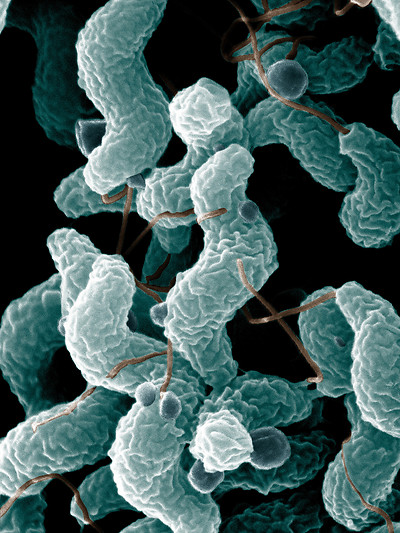
Science Direct Campylobacter

This study aimed to investigate Campylobacter contamination in carcasses and chicken products derived from a Campylobacter-negative flock when the flock is slaughtered immediately after a Campylobacter-positive flock. The first 2 flocks slaughtered on 10 different dates were investigated at an abattoir. Eighteen of the 20 flocks tested were positive for Campylobacter. A Campylobacter-negative flock was slaughtered immediately after a Campylobacter-positive flock on only 1 of the 10 slaughter dates. In this case, Campylobacter was detected in the carcasses and chicken products originating from the Campylobacter-negative flock, and all the flaA genotypes of these isolates were identical to those present in the caecal contents, carcasses, and chicken products from the Campylobacter-positive flock. The Campylobacter concentrations in the products originating from the Campylobacter-negative flock were: close to the enumeration limit (1.7 log10 cfu/carcass) in the carcass samples; and below the enumeration limit (2.0 log10 cfu/g) in the liver samples. The mean Campylobacter concentrations in the carcasses and liver products originating from the 18 Campylobacter-positive flocks were 3.8 log10 cfu/carcass and 2.6 log10 cfu/g, respectively. While 91% (246/270) of chicken products originating from Campylobacter-positive flocks were positive for Campylobacter, chicken products originating from the remaining Campylobacter-negative flock were free from Campylobacter cross-contamination by slaughter prior to a Campylobacter-positive flock. These results prove that slaughtering Campylobacter-negative flocks does not introduce Campylobacter into the abattoirs and indicate that although carcasses and chicken products originating from the Campylobacter-negative flock were cross-contaminated with Campylobacter from the Campylobacter-positive flock slaughtered immediately before, the Campylobacter contamination levels were lower than those in carcasses and chicken products from Campylobacter-positive flocks. Based on these findings, the reduction of Campylobacter prevalence in broiler flocks should be taken as an effective control measure for preventing introduction of Campylobacter into abattoirs and consequently for reducing Campylobacter prevalence in chicken products in addition to the good hygienic practice at abattoirs and logistic slaughter.


New Zealand – Hepatitis A in Fresh Fruit

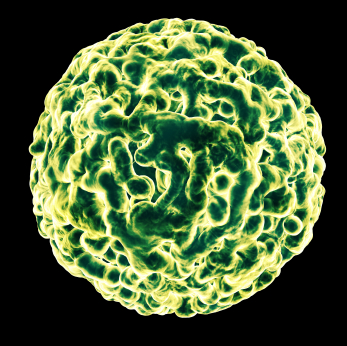
MPI Close up 3d render of an influenza-like virus isolated on white

The Ministry for Primary Industries (MPI) is cautioning New Zealand  consumers of a small quantity of fresh fruit sold in late February and early March  that there is a relatively low risk that this fruit had been contaminated with  Hepatitis A virus.

MPI Deputy Director General Scott Gallacher says it is important that  consumers understand the risk of transmission of the virus is relatively low,  but MPI is issuing this information as a precaution so that people with any  related concerns about their health can contact their doctor.

“As always, MPI is placing the health and wellbeing of all consumers  first.

“We have been advised that a person packing some varieties of apples  and peaches in a Hawke’s Bay packhouse has been diagnosed with Hepatitis A.


Research – Salmonell Outbreaks in Sweden and USA in 2013

BarfBlog

The Swedish National Food Agency (Livsmedelsverket) has identified cold meats as the primary source for a recent outbreak of listeria in Sweden that has been connected to the deaths of up to 14 people since autumn 2013.

CDC

In early 2013, four clusters of human Salmonella infections were identified through PulseNet, the national molecular subtyping network for foodborne bacteria. Many of the ill persons in these four clusters reported contact with live poultry, primarily chicks and ducklings, from a single mail-order hatchery; therefore, these investigations were merged. During March 4–October 9, 2013, a total of 158 persons infected with outbreak strains of Salmonella serotypes Infantis, Lille, Newport, and Mbandaka were reported from 30 states.