FSAI
Coronavirus and Food Safety
What is Coronavirus?
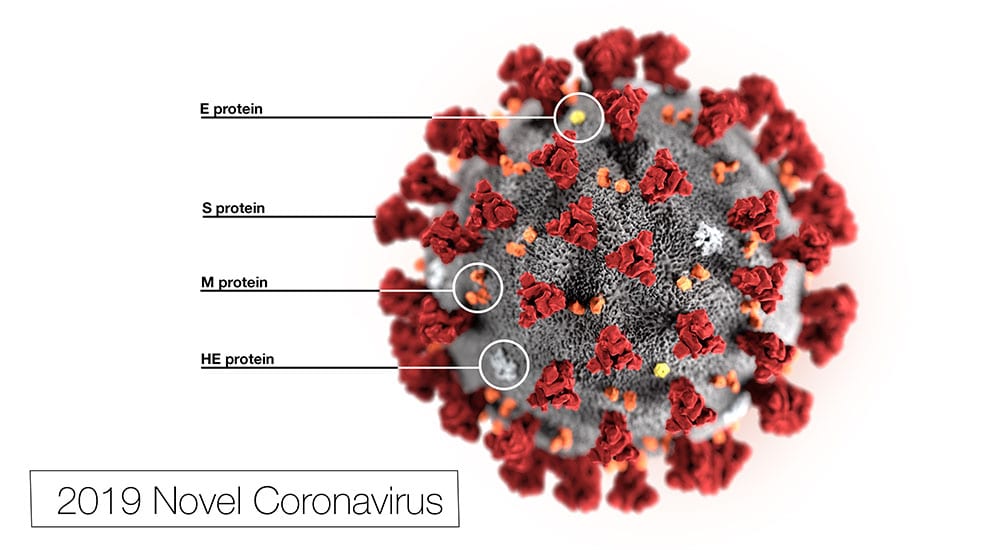
Coronaviruses are a large family of viruses that usually cause respiratory illness. They include viruses that cause the common cold and seasonal flu, as well as more serious illnesses like Severe Acute Respiratory Syndrome (SARS) and Middle East Respiratory Syndrome (MERS).
A novel coronavirus (nCoV) is a new strain that has not been previously identified in humans. The 2019 Coronavirus is referred to as a novel coronavirus.
What are the symptoms?
Signs of infection include high fever (>38ºC) together with one or more respiratory symptoms like coughing, shortness of breath and breathing difficulties.
Can the virus be passed on through food?
Experience with SARS and MERS suggest that people are not infected with the virus through food. So, it is unlikely the virus is passed on through food and there is no evidence yet of this happening with the 2019 Coronavirus.
Coronaviruses need a host (animal or human) to grow in and cannot grow in food. Thorough cooking is expected to kill the virus because we know with SARS that a heat treatment of at least 30min at 60ºC is effective.
Coronaviruses are most commonly passed between animals and people and from person to person. The source of the 2019 virus is believed to be animals, but the exact source is not yet known.
The virus is commonly passed on through direct mucus membrane contact by infectious droplets e.g breathing in airborne virus from the sneeze of someone who is infected.
Investigations in China are continuing to identify the source of the outbreak and ways it can be passed on to people.
What can food workers do?
It is possible that infected food workers could introduce virus to the food they are working on by coughing and sneezing, or through hand contact, unless they strictly follow good personal hygiene practices.
The World Health Organisation (WHO) advises that standard recommendations to reduce exposure to and transmission of a range of illnesses are maintained. These include:
- proper hand hygiene
- cough/cold hygiene practices
- safe food practices
- avoiding close contact, when possible, with anyone showing symptoms of respiratory illness such as coughing and sneezing
Food workers must wash hands:
- before starting work
- before handling cooked or ready-to-eat food
- after handling or preparing raw food
- after handling waste
- after cleaning duties
- after using the toilet
- after blowing nose, sneezing or coughing
- after eating drinking or smoking
- after handling money
Get more information on proper hand washing and use of gloves
Good hygiene and cleaning are also important to avoid cross contamination between raw or undercooked foods and cooked or ready to eat foods in the kitchen.
As an added precaution, if you work with food and have suspected symptoms of respiratory illness, you should inform your employer, avoid preparing food for other people and seek medical attention.
What can food business owners/managers do?
Employers have an important role to play in preventing foodborne illness. They should:
- ensure that staff are aware of the 2019 Coronavirus situation
- ensure that staff are trained appropriately in food hygiene
- ensure effective supervision of staff to reinforce hygienic practices
- provide the correct facilities e.g. hand washing, toilets, to enable staff to practice good hygiene
- ensure staff and contractors report any physical signs/symptoms, before commencing work or while in the workplace.
- keep vigilant and ensure that staff are not ill and are fit to work
Employers can use this fitness to work form to assess staff who they believe are ill.


 FoodWorld