
A project looking at the risk of ciguatera poisoning in Europe has finished work after almost five years.
An international scientific meeting was held in October for the EuroCigua project which began in April 2016 and ends this month.
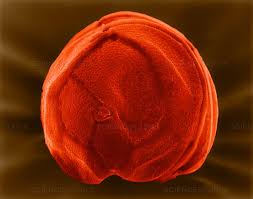
Ciguatera is a type of food poisoning associated with consumption of fishery products that contain toxins produced by a microalgae called Gambierdiscus toxicus. The toxin does not affect the appearance, odor or taste of the fish and is not destroyed by cooking, refrigeration or freezing.
It causes an estimated 10,000 to 50,000 cases per year worldwide and outbreaks have been reported in Spain and Portugal. From 2012 to 2018, four European countries reported 23 ciguatera outbreaks and 167 cases.
Results confirmed the appearance of ciguatera in the European Union, having identified native species of fish with ciguatoxins in Macaronesia, Madeira and the Canary Islands. The presence of Gambierdiscus in the Mediterranean Sea, Cyprus and Greece was also detected, as well as the first finding in the Balearic Islands.

 FoodWorld