
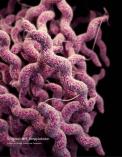
A University of Otago, Wellington study, published last week in the international journal BMC Public Health, found only 15 per cent of consumers were aware that most of fresh chicken meat for sale in New Zealand is contaminated with Campylobacter.
The researchers also found deficiencies in the safety information provided to consumers.
“New Zealand has one of the highest rates of campylobacteriosis in the world and at least half of cases can be attributed to contaminated chicken,” says Philip Allan, one of the study’s authors and a medical student attached to the Department of Public Health.
Most survey participants were aware of the need to thoroughly cook chicken and to use separate utensils during preparation, but many were unaware that rinsing fresh chicken under the tap could spread the infection or that freezing chicken reduced Campylobacter contamination.
The study authors expect food safety regulators and chicken producers and retailers to be taking all reasonable steps to protect consumers.

 FoodWorld