Monthly Archives: November 2011

China Contaminated Frozen Food – Staph. aureus

An article in Food Navigator Asia has reported on products made by Wanchai Ferri have been removed from the shelf in Nanjing. The frozen dumplings are said to have high levels of ‘golden staph’ AKA Staphylococcus aureus.

A further report can be found at China Org
Norovirus in Oysters – FSA

FSA Link

Research published today by the Food Standards Agency shows that a significant proportion (76%) of oysters tested from UK oyster growing beds contained norovirus. The virus was detected at low levels in more than half of the positive samples (52%).

It is difficult to assess the potential health impact of these findings, as the available research techniques are not able to differentiate between infectious and non-infectious norovirus material within the oysters. Furthermore, a safe limit for norovirus has not been established.

Oxygen Sensitive Sensor – MAP and VP Monitor

Food Quality News has reported on a product in development at Queens University Belfast which could be used as a monitor for the performance of VP and MAP products. Which in turn has the possibility of being linked to microbial growth and protein decomposition that leads to spoilage. Basically a visual test which involves a colour change in the presence of oxygen.

USA & CHINA FOOD SAFETY

An article in Food Quality News has reported that the USA Food Safety (FDA)has appealed to its counterparts in China to work together and ‘move forward in developing a global approach to food safety.

Unregulated Mycotoxin – Ergot – 12% – Cereals

Ergot alkaloids are produced by the fungus Claviceps purpurea and related Claviceps species and can infect cereals such as rye. Although there are currently no maximum levels for ergot alkaloids in EU legislation, it has been demonstrated that they may exert various toxic effects in certain animals. The European Commission is currently in the process of publishing a Recommendation on monitoring for these toxins. Ergot alkaloids were detected in 12 (12%) of the samples with total concentrations ranging from 2 to 169 μg/kg. There are currently no maximum permitted levels for ergot alkaloids in food. The data from this survey has been submitted to the European Food Safety Authority (EFSA) in advance of an opinion on the risks to human and animal health on the presence of ergot alkaloids in food and feed. The full report has details about other mycotoxins in food.

FSA REPORT

Canadian Food Recall – Trout – Botulinum

The Canadian Food Inspection Agency (CFIA) and Milford Bay Trout Farm Inc. are warning the public not to consume the Milford Bay Trout Farm Inc. Smoked Trout Filet, described below, because this product may be contaminated with Clostridium botulinum. Toxins produced by this bacteria may cause botulism, a life-threatening illness there have been no reported illness yet.


HPA – 2010 UK Salmonella Outbreak – Green Salad Vegetables

Food Production Daily has an article reporting on the HPA findings that the UK 2010 outbreak of Salmonella was likely to have been caused by green salad vegetables.

Full HPA Report

FSA – Reminder on Botulinum Avoidance

The FSA have issued a reminder on how to avoid Botulinum poisoning following recent cases of the rare foodborne poisoning cases in Olives and Korma Sauce.

Olives – Botulinum Again – Canada

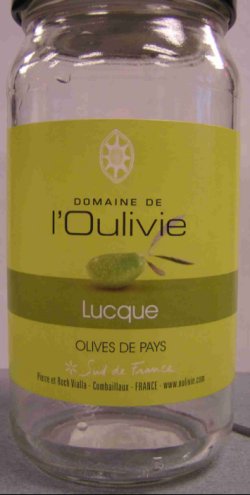
After the Botulinum contamination of Olives which resulted in a death in Finland and withdrawal of the product in the UK and USA. The Canadian Food Inspection Agency have recalled another batch of Olives. The Canadian Food Inspection Agency (CFIA) and Marché Transatlantique Inc. are warning the public not to consume the Domaine de l’Oulivie brand Lucque Olives de Pays described below because the product may be contaminated with Clostridium botulinum. Toxins produced by this bacteria may cause botulism, a life-threatening illness.

Vinegar Control for Listeria

An article in Food Quality News has reported about a company producing a buffered vinegar that is used to control Listeria in processed and ready to eat meats. It may also be useful against other food pathogens.

BactoCEASE NV