
food safety.com
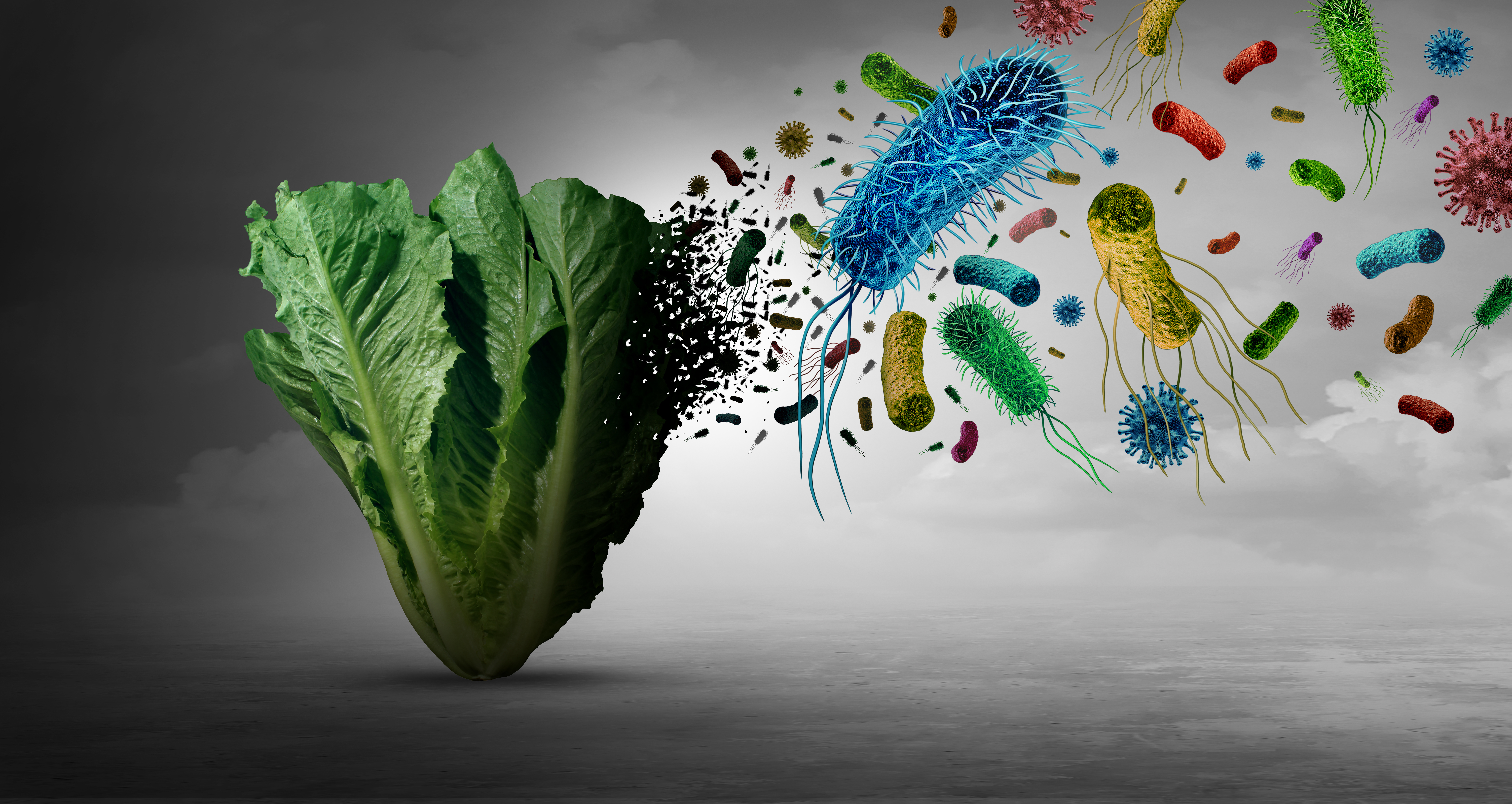
The risks associated with Clostridium botulinum and low-acid canned foods, meats, seafood, and temperature-abused foods are generally well-established. However, there has been increasing consideration toward C. botulinum and its potential as a pathogen of concern for fresh-cut vegetables, fruits, and mushrooms.
For an industry segment beleaguered by recent outbreaks of Shiga toxin-producing Escherichia coli, Salmonella enterica, and Listeria monocytogenes, consideration of a bacterial pathogen with vastly different growth characteristics—one that is less traditionally associated with fresh produce—may seem burdensome. However, recent incidences of C. botulinum in packaged mushrooms,1 increased characterization of the growth conditions required by nonproteolytic C. botulinum, widespread industry adoption of modified atmosphere packaging (MAP), and even increasing fuel costs may necessitate a second look at this pathogen’s association with fresh produce.

 FoodWorld
Full quantitative microbiological risk assessment for non-proteolytic Clostridium botulinum was published in AEM Jan 2016: https://journals.asm.org/doi/10.1128/AEM.03630-15. Open access.
Fresh meat hds the lowest npcb spore loading, dried herbs and spices the highest. Fresh produce are, along with other food raw material types, in a common range centred on 0-10 spores/kg.
Thanks Karin