
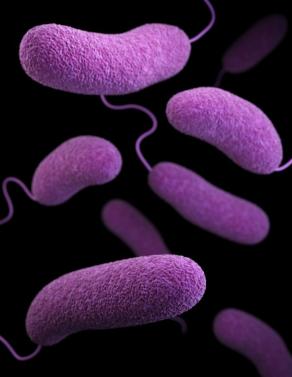
Cholera is a diarrheal disease caused by ingestion of the Vibrio cholerae bacterium. Outbreaks in urban areas are becoming increasingly frequent in Sub-Saharan Africa. Risk factors for cholera have been studied in rural settings but not sufficiently in urban areas. Understanding context-specific risk factors is key for successful outbreak response. During a cholera outbreak in Kinshasa, the Democratic Republic of the Congo we were able to identify a previously unknown behavioural risk factor of particular relevance in urban settings–the consumption of drinking water from plastic sachets. Water sachets are sold on the streets of all major cities in Sub-Saharan Africa. It requires biting off an edge and sucking out the water, and we think that external contamination of these sachets was an important transmission route in the Kinshasa outbreak. Water sachets are predominantly consumed by socio-economically disadvantaged groups who lack piped water supply in their homes and have poor access to sanitary infrastructure. This makes our findings particularly relevant because these are the very populations who are at increased risk of getting and transmitting cholera. Health messaging and response measures should include consumption of water sachets as a potential risk factor during future cholera outbreaks in urban low-resource settings.

 FoodWorld