Tag Archives: Scotland

UK – FSA – FHRS Evaluation Findings Published

FSA food_standards_agency_logo

The final two research reports, in a series commissioned by the FSA to evaluate the Food Hygiene Rating Scheme (FHRS) in England, Wales and Northern Ireland, and Food Hygiene Information Scheme (FHIS) in Scotland, are being published today.

The evaluation was commissioned with the Policy Studies Institute in 2011 and ran until mid-2014.  It explored the impact of the FHRS and the FHIS on local authorities, consumers, businesses, food hygiene compliance and the incidence of foodborne disease. The evaluation and other research findings have been discussed by the FSA Board today.

In England, Wales and Northern Ireland businesses are rated from 0 – 5, with 0 being the lowest rating and 5 being the highest. Businesses rated with a 3 or above are considered to be generally satisfactory or better. The FSA recommends consumers choose to eat in these ‘compliant’ establishments.

These final reports provide evidence that the FHRS had a positive impact on business compliance levels. These showed that there was a significant increase in ‘broad compliance’ (equivalent to ratings of 3 to 5) in the first year, and a significant increase in ‘full compliance’ (rating of 5) in the second year in local authority areas after the FHRS was introduced, compared with areas where the scheme was not yet operating.  There was also a significant decrease in the proportion of businesses with very poor levels of compliance in the first two years after launch.

For Scotland, although the general pattern was the same for FHIS, the changes in compliance levels were not statistically significant.

The reports also include findings on consumer views about the scheme and provide some interesting insights.  For example, those using the schemes said they were more likely to refer to hygiene information when in an unfamiliar location, or eating with vulnerable people or for special occasions when planning meals out at Christmas or Valentine’s Day.
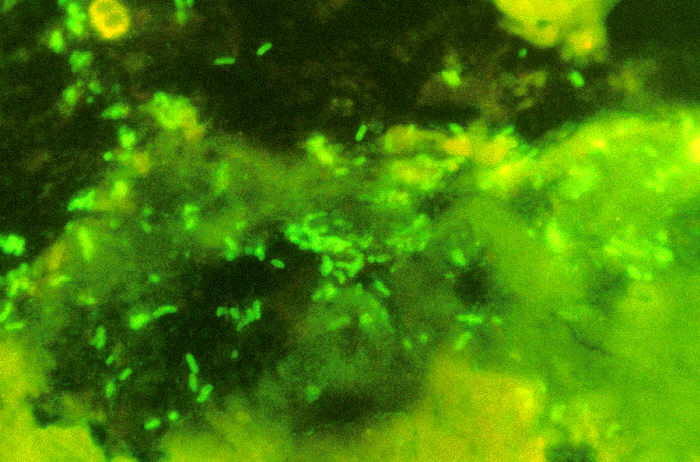
UK – E.coli O157:H7 and the Law – Hugh Pennington

Scottish Justice Matters ecoli

E.coli O157 infections in humans are commoner in the

UK than in any other European country, and they are a lot

commoner in Scotland than in England: we have the highest

incidence of infections in the world. The only good news is

their relative rarity: Scotland recorded 234 in 2012 but 6333

Campylobacter cases. Norovirus is even commoner, by orders

of magnitude. It is the common cold of the bowels. However,

excepting civil actions by passengers who contract Norovirus

gastroenteritis on cruise liners and in hotels, neither of these

common pathogens involves lawyers, except as victims. This

is not true for E.coli O157. Its life changing effects and lethality

explain why.

UK – FSA Calls for Tender – Campylobacter in Scotland

FSA food_standards_agency_logo

Proposals are sought for research that investigates the factors affecting variations in Campylobacter disease rates in Scotland. Specifically the FSA is looking to commission research that will significantly improve our understanding whether deprivation continues to have a protective effect on the levels of Campylobacter infection and if so what factors are likely to be contributing to this effect. The FSA would like to know what factors are most likely to influence rates of Campylobacter infection in different socioeconomic groups in Scotland.