
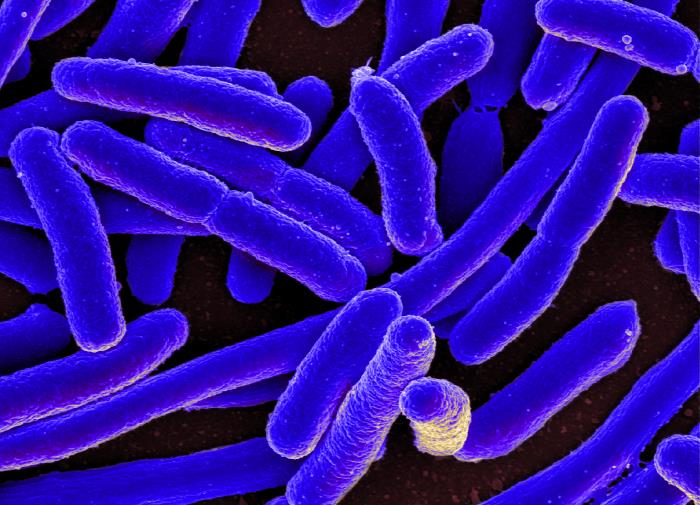
This increase in E. coli is mostly associated with food poisoning, which happens when people consume contaminated water, food, undercooked meat, or unpasteurised milk.
Cases of these bacteria are causing drug resistance due to their mobile genetic elements.
A study published in the Proceedings of the National Academy of Sciences shows that pathogens are more likely to jump from animals to humans in dense areas.
The study showed that the bacteria is spreading more in areas of Nairobi with high populations of livestock and urban-adapted wildlife, like rats. These areas are often lower-income neighbourhoods with inadequate sanitation and poor waste management.
The study was led by Dr James Hassell, a wildlife veterinarian, and epidemiologist, along with Kenyan and United Kingdom partners. They collected E. coli samples from over 2,000 people, livestock, and urban wildlife in 33 locations across Nairobi.

 FoodWorld