Category Archives: COVID-19

Hong Kong – Coronaviruses and Foodborne Zoonoses

CFS

The current outbreak of coronavirus disease (COVID-19) has been spreading rapidly around the world.  COVID-19 was believed to be caused by a novel coronavirus (SARS-CoV-2), originated in animals and plausibly jumping across the species barrier to infect humans, The virus has then sustained a human-to-human transmission.

Zoonoses are diseases or infections transmitted between some animals and humans.  There are various ways in which people can catch a zoonosis: through direct contact with animals or materials contaminated by these animals, being bitten by a germ-carrying vector such as a mosquito, as well as through drinking contaminated water or eating contaminated food (foodborne zoonoses).  While COVID-19 is likely a zoonosis, can we acquire the disease through eating?
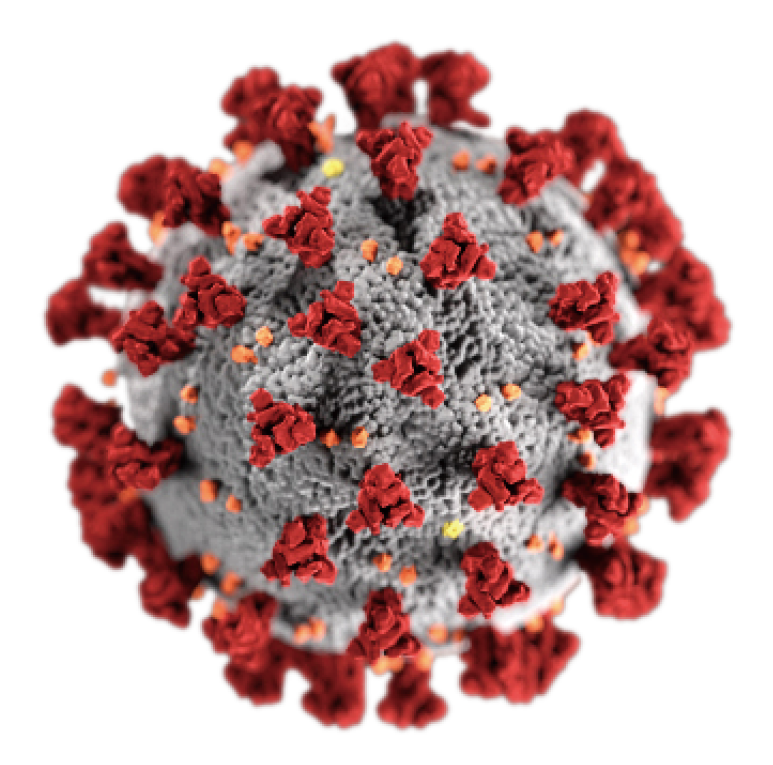
Illustration of a SARS-CoV-2 virion

Germany – Germans think risk of coronavirus transmission by food is low

Food Safety News

The probability of coronavirus being transmitted via food is perceived by the public as being low, according to a survey in Germany.

Two thirds said the probability of being infected with the novel coronavirus (COVID-19) via food was low. More than one in five rated the chance as medium and 12 percent said it was high.

There are no cases which have shown any evidence of humans being infected with the new type of coronavirus by consumption of contaminated food, according to the German Federal Institute for Risk Assessment (BfR). As the viruses are sensitive to heat, risk of infection can be further reduced by heating foods.

The European Food Safety Authority (EFSA) has also said there is no evidence that food is a likely source or route of transmission of the virus.

Information- Coronavirus and Food Live Blog

Just Food

This is a blog dedicated to updated information on the Coronavirus and the Food Industry

How to Protect Yourself From Coronavirus When Grocery Shopping

Consumer Reports

The FDA says there’s no current evidence to support the transmission of the virus from food packaging.

But whether you buy groceries online or in stores, there are some simple steps you can take to try to limit your exposure to coronavirus, and they’re not so different from what CR recommends you typically do see the link above for some good tips.

Research – Study shows how diligent we have to be to keep surfaces germ-free

Science Daily

During the COVID-19 pandemic, every frequently touched surface outside our home seems as dangerous as a hot pot right out of the oven. We won’t get burned if we touch it, but we might get infected with a potentially dangerous virus.

A recent study suggests that even organized efforts to clean surfaces can fall short, a reminder for us all that keeping our surroundings clean may require some additional work.

For 5 ½ weeks, researchers tagged surfaces of a small-animal veterinary practice daily with a fluorescent dye visible only under black light. They checked tagged surfaces 24 hours later to see if the marks were showing. Surfaces were considered cleaned if the dye was completely removed.

Results showed that overall, only half of all surfaces were adequately cleaned during the study period. Human-touch surfaces — such as medical instruments, dog run handles, and computer mice and keyboards — were cleaned less frequently than areas touched primarily by animals. The results were similar to studies from other veterinary clinics.

UK – FSA publishes guidance for food businesses on coronavirus (COVID-19)

FSA

The FSA has today published guidance to assist food businesses in responding to the coronavirus (COVID-19) outbreak.

The new guidance has been developed with the Department for Environment, Food and Rural Affairs (Defra) and covers a range of areas including good hygiene practice, management of employee sickness, and social distancing for specific food business settings.

It is very unlikely that people can catch COVID-19 from food. COVID-19 is a respiratory illness and not known to be transmitted by exposure to food or food packaging.

The FSA is working with the food industry to ensure that businesses know what their responsibilities are and what actions they need to take to maintain safety standards and protect staff during the outbreak.

The guidance can be found on GOV.UK

Research – Coronavirus: no evidence that food is a source or transmission route

EFSA

EFSA is closely monitoring the situation regarding the outbreak of coronavirus disease (COVID-19) that is affecting a large number of countries across the globe. There is currently no evidence that food is a likely source or route of transmission of the virus.

EFSA’s chief scientist, Marta Hugas, said: “Experiences from previous outbreaks of related coronaviruses, such as severe acute respiratory syndrome coronavirus (SARS-CoV) and Middle East respiratory syndrome coronavirus (MERS-CoV), show that transmission through food consumption did not occur. At the moment, there is no evidence to suggest that coronavirus is any different in this respect.”

The European Centre for Disease Prevention and Control (ECDC) has said that while animals in China were the likely source of the initial infection, the virus is spreading from person to person – mainly via respiratory droplets that people sneeze, cough, or exhale. More information on coronavirus and food can be found in this FAQ by the BfR, Germany’s risk assessment body.

Scientists and authorities across the world are monitoring the spread of the virus and there have not been any reports of transmission through food. For this reason, EFSA is not currently involved in the response to the COVID-19 outbreaks. However, we are monitoring the scientific literature for new and relevant information.

Research – COVID-19 and the Food Industry

New Food Magazine

While we hear reassurance from food safety bodies such as the European Food Safety Authority (EFSA) that “there is currently no evidence that food is a likely source or route of transmission of COVID-19,” we are all still, surely, feeling a little uncertain. Is our food truly safe? What impact will this unprecedented pandemic have on the food and beverage industry further down the line?

EFSA’s Chief Scientist, Marta Hugas, said that “experiences from previous outbreaks of related coronaviruses, such as severe acute respiratory syndrome coronavirus (SARS-CoV) and Middle East respiratory syndrome coronavirus (MERS-CoV), show that transmission through food consumption did not occur” and that we – industry and consumer alike – can be confident that this translates to COVID-19.