
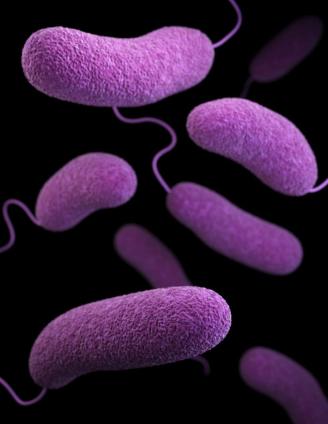
Scientists have discovered how bacteria commonly responsible for seafood-related stomach upsets can go dormant and then “wake up”.
Vibrio parahaemolyticus is a marine bacterium that can cause gastroenteritis in humans when eaten in raw or undercooked shellfish such as oysters and mussels.
Some of these bacteria are able to turn dormant in poor growth conditions such as cold temperatures – and can remain in that state of hibernation for long periods before resuscitating.
University of Exeter scientists have identified a population of these dormant cells that are better at waking up, and have discovered an enzyme involved in that waking up process.
“Most of these bacteria die when they encounter poor growth conditions, but we identified sub-populations of bacteria that are able to stay dormant for long periods of time,” said lead author Dr Sariqa Wagley, of the University of Exeter.

 FoodWorld