Monthly Archives: March 2018

USA- FDA Investigates Salmonella Typhimurium Outbreak Linked to Dried Coconut

FDA 


Fast Facts

  • The FDA is investigating a multi-state outbreak of Salmonella Typhimurium infections linked to dried coconut.
  • CDC reports 13 cases in eight states with three hospitalizations and no deaths.
  • Testing by the FDA has confirmed that Salmonella found in two retail product samples of dried coconut collected from Vitamin Cottage Natural Food Market and International Harvest are a match to the outbreak strain.
  • As a result of this testing, Vitamin Cottage Natural Food Markets has recalled coconut smiles labeled under the Natural Grocers name and International Harvest has recalled Go Smiles Dried Coconut Raw and International Harvest Brand Organic Go Smile! Dried Coconut Raw. If anyone has these coconut products in their home, they should not eat them.

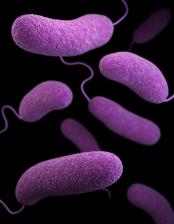
Canada – Vancouver Island cholera warning: Cases linked to eating herring eggs

Outbeak News Today 


The First Nations Health Authority and Island Health are warning the public following confirmed cases of Vibrio cholerae infection associated with eating herring eggs. The bacteria can be found in the aquatic environment and can cause intestinal illness after eating contaminated foods. Illness may include mild to severe nausea, vomiting, and very severe watery diarrhea. Some people don’t become ill and don’t know they have been infected. Health authorities are asking you to take the following precautions and actions:

  • Do not consume herring eggs harvested from French Creek to Qualicum Bay area from kelp, seaweed or other surfaces.
  • If you are ill, ensure you are drinking small amounts of fluid frequently to keep hydrated. Visit your physician or health center to ensure treatment and confirmation of the cause of illness. Letyour health care provider know if you have eaten raw or lightly-cooked herring eggs within 5
    days of onset of illness or caring for someone who became ill after eating herring eggs.
  • The bacteria can be passed from person to person, even if you don’t have symptoms. Always wash your hands well after going to the bathroom or caring for someone who has been ill.
  • If you have stored herring eggs, please call First Nations Health Authority Environmental Public Health Services at 250-924- 6125. Samples are being requested for testing (keep cold and in original packaging).
  • Discard any extra stored herring eggs to avoid further illness. Freezing does not kill the bacteria.
  • When handling herring eggs, practice proper handwashing and sanitize dishes and equipment to avoid cross contamination.
  • Ensure other community members who may have received herring eggs are aware of these precautions and actions. If they are ill, we request that they be in contact with their physician or Health Center.
  • A sanitary shellfish closure exists for bivalves in the French Creek/Qualicum Bay area. Harvesters are reminded to check area closures prior to harvesting bivalves to prevent illness.

Europe – Frozen corn likely source of ongoing Listeria monocytogenes outbreak

EFSA Listeria kswfoodworld food safety food poisoning

Frozen corn is the likely source of an outbreak of Listeria monocytogenes which has affected five EU Member States (Austria, Denmark, Finland, Sweden, and the United Kingdom) since 2015. This is the conclusion of a rapid outbreak assessment published today by EFSA and the European Centre for Disease Prevention and Control (ECDC). As of 8 March 2018, 32 cases including six deaths had been reported.

Whole genome sequencing was used to define the multi-country outbreak of L. monocytogenes serogroup IVb, multi-locus sequence type 6 and to identify the implicated food source.

Investigations point towards frozen corn packed in Poland and processed and produced in Hungary. The report recommends further investigations to identify the exact point of contamination in the food chain.

Food business operators in Poland, Finland, Sweden and Estonia have withdrawn and recalled the implicated products. These measures are likely to reduce the risk of human infections in these countries.

However, new cases may be identified due to the long incubation period of listeriosis (up to 70 days), the long shelf-life of frozen corn products and the potential consumption of frozen corn bought before the recall was implemented.

To reduce the risk of L. monocytogenes infection from frozen corn, consumers should adequately heat frozen vegetables that are not ready-to-eat products. This applies especially to consumers at the highest risk of contracting listeriosis – such as the elderly, pregnant women, new-borns and adults with weakened immune systems.

What is a rapid outbreak assessment?

Coordination at EU level is crucial when there are multi-country foodborne outbreaks. One aspect of this coordination is the production of a rapid outbreak assessment (ROA) by EFSA and ECDC in close cooperation with affected countries.

The ROA gives an overview of the situation in terms of public health and identifies the cause of the infections. It also includes trace-back and trace-forward investigations to identify the origin of the outbreak and where contaminated products have been distributed. These help to identify measures that will prevent further spread of the outbreak.

South Africa – Tiger Brands says Listeria outbreak could cost it 1 billion Rand

Food Safety News

The world’s worst listeriosis outbreak is likely to cost Tiger Brands more than financial markets were expecting. And the party coming up with the higher tally is Tiger Brands itself.

As a publicly traded company on the Johannesburg Stock Exchange, Tiger Brands is providing financial markets with the company’s own estimates. The $2.5 billion South African food business says the ongoing listeriosis outbreak could cost the company 800 million Rand, or more than $67.5 million.

RASFF Alert – Ochratoxin A – Sultana – Raisins

kswfoodworld food safety poisoning

RASFF-ochratoxin A (20 µg/kg – ppb) in sultana raisins from Turkey in the Netherlands


RASFF Alert – Listeria monocytogenes – Raw Milk Brie Cheese

kswfoodworld food safety poisoning

RASFF-Listeria monocytogenes in raw milk brie cheese from France in the Netherlands

RASFF Alert – Norovirus – Frozen Raspberries

kswfoodworld food safety poisoning

RASFF-norovirus (GI; GII /25g) in frozen raspberries from Poland in Denmark

RASFF Alert – Cronobacter sakazakii in infant formula

kswfoodworld food safety poisoning

RASFF-Cronobacter sakazakii in infant formula from the Netherlands in the Netherlands

RASFF Alerts – Salmonella – Morning Glory – Sesame Seeds – Organic Amaranth – Chicken – Nettle Leaves

kswfoodworld food safety poisoning

RASFF-Salmonella (presence /25g) in shredded morning glory from Vietnam in the UK

RASFF-Salmonella (presence /25g) in sesame seeds from Nigeria in the Netherlands

RASFF-Salmonella (presence /25g) in organic amaranth from Austria, with raw material from Germany in the Netherlands

RASFF-Salmonella (presence /25g) in sesame seeds from Uganda in the Netherlands

RASFF-Salmonella enterica ser. Agege (in 4 out of 5 samples /25g) and Salmonella enterica ser. Rubislaw (in 1 out of 5 samples /25g) in sesame seeds from Nigeria in Germany

RASFF-Salmonella enterica ser. Agege (presence /25g), Salmonella enterica ser. Maastricht (presence /25g) and Salmonella enterica ser. Saphra (presence /25g) in sesame seeds from Nigeria in Germany

RASFF-Salmonella enterica ser. Saphra (in 1 out of 5 samples /25g) in sesame seeds from Nigeria in Germany

RASFF-Salmonella (presence /25g) in sesame seeds from Sudan in Greece

RASFF-Salmonella enterica ser. Enteritidis (presence /25g) in frozen chicken fillets from Poland in France

RASFF-Salmonella (presence /25g) in frozen raw chicken breast from Chile in the Uk

RASFF-Salmonella (presence /25g) in sesame seeds from Nigeria in Greece

RASFF-Salmonella (presence /25g) in nettle leaves used to produce a finished cereal product from Belgium in Belgium

RASFF Alerts – Afaltoxin – Groundnuts – Pistachios – Hazlenuts – Halva with Pistachios – Dried Figs

kswfoodworld food safety poisoning

RASFF-aflatoxins (B1 = 4 µg/kg – ppb) in groundnuts from Bolivia in the Netherlands

RASFF-aflatoxins (B1 = 11; Tot. = 11 µg/kg – ppb) in groundnuts in shell from Egypt in the Netherlands

RASFF-aflatoxins (B1 = 110; Tot. = 120 µg/kg – ppb) in shelled groundnuts from Bolivia in the Netherlands

RASFF-aflatoxins (B1 = 5.4 µg/kg – ppb) in groundnuts from the United States in the UK

RASFF-aflatoxins (B1 = 12; Tot. = 16 µg/kg – ppb) in roasted chopped hazelnut kernels from Turkey in the Netherlands

RASFF-aflatoxins (B1 = 5.20; Tot. = 18.65 µg/kg – ppb) in roasted chopped hazelnut from Turkey in Germany

RASFF-aflatoxins (B1 = 12.67; Tot. = 13.70) in shelled hazelnuts from Azerbaijan in Italy

RASFF-aflatoxins (B1 = 10.6 µg/kg – ppb) in pistachios in shell from Iran in Germany

RASFF-aflatoxins (B1 = 30; Tot. = 33 µg/kg – ppb) in in shelled groundnuts from the United States in the Netherlands

RASFF-aflatoxins (B1 = 19.2; Tot. = 21 µg/kg – ppb) in halva with pistachio nuts from Turkey in Germany

RASFF-aflatoxins (B1 = 35.9; Tot. = 45.2 µg/kg – ppb) in hazelnut kernels from Azerbaijan in Germany

RASFF-aflatoxins (B1 = 42; Tot. = 45.86 µg/kg – ppb) in pistachios from the United States in the Netherlands

RASFF-aflatoxins (B1 = 24 µg/kg – ppb) in dried figs from Turkey in Spain

RASFF-aflatoxins (B1 = 14.4; Tot. = 15.5 µg/kg – ppb) in dried figs from Turkey in Spain

RASFF-aflatoxins (B1 = 50.6; Tot. = 101.6 µg/kg – ppb) in pistachios in shell from the United States in Germany