Tag Archives: bivalve shellfish

Research – Environmental Transmission of Human Noroviruses in Shellfish Waters

American Society for Microbiology Norwalk_Caspid

Human noroviruses (NoV) are the most common cause of epidemic gastroenteritis following consumption of bivalve shellfish contaminated with fecal matter. NoV levels can be effectively reduced by some sewage treatment processes such as activated sludge and membrane bioreactors. However, tertiary sewage treatment and substantial sewage dilution are usually required to achieve low concentrations of virus in shellfish. Most outbreaks have been associated with shellfish harvested from waters affected by untreated sewage from, for example, storm overflows or overboard disposal of feces from boats. In coastal waters, NoV can remain in suspension or associate with organic and inorganic matter and be accumulated by shellfish. Shellfish take considerably longer to purge NoV than fecal indicator bacteria when transferred from sewage-polluted estuarine waters to uncontaminated waters. The abundance and distribution of NoV in shellfish waters are influenced by the levels of sewage treatment, proximity of shellfish beds to sewage sources, rainfall, river flows, salinity, and water temperature. Detailed site-specific information on these factors is required to design measures to control the viral risk.
USA – Updated Warning About Shellfish – PSP

Food Poisoning Bulletin

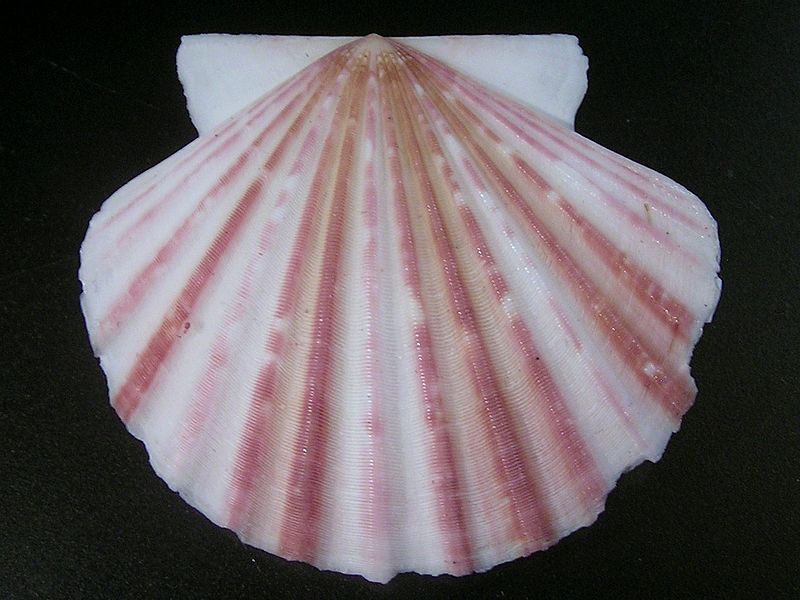
The California Department of Public Healthis adding sport-harvested clams and whole scallops to the list of Del Norte County bivalve shellfish that consumers should avoid. This warning is in addition to the annual mussel quarantine that was extended on October 31, 2012 to include Del Norte and Humboldt counties. The shellfish contain dangerous levels of paralytic shellfish poisoning toxins (PSP).

The warning does not apply to commercially sold clams, mussels, scallops, or oysters from approved sources. These shellfish are subject to frequent mandatory testing by the state government.

PSP toxins affect the central nervous system, producing a tingling around the mouth and fingertips. Then, symptoms include a loss of balance, loss of muscular coordination, slurred speech, and difficulty swallowing. These symptoms can appear within a few minutes to a few hours after eating the toxic shellfish. In some cases, complete muscular paralysis and death from asphyxiation can occur. Cooking does not destroy the toxin. For more information, see the CDPH Marine Biotoxins Frequently Asked Questions page