Category Archives: Uncategorized

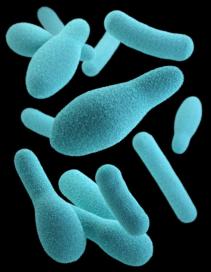
Canada – Certain Smoked Rainbow Trout products manufactured by Tarini Brothers Meat and Fish Market recalled due to potential presence of dangerous bacteria – Clostridium botulinum

CFIA

Recall details

Ottawa, March 3, 2018 – Tarini Brothers Meat and Fish Market is recalling certain Smoked Rainbow Trout products from the marketplace because they may permit the growth of Clostridium botulinum. Consumers should not consume the recalled products described below.

The following products were sold from Tarini Brothers Meat and Fish Market, 1055 Lorne St., Sudbury, Ontario.

Recalled products

Brand Name Common Name Size Code(s) on Product UPC
None Smoked Rainbow Trout Variable All Packed on dates up to and including 15.02.18 Starts with 020270
None Cajun Smkd Rainbow Trout Variable All Packed on dates up to and including 15.02.18 Starts with 020271
None LP (lemon pepper) Smkd Rainbow Trout Variable All Packed on dates up to and including 15.02.18 Starts with 020272
None Dill Smkd Rainbow Trout Variable All Packed on dates up to and including 15.02.18 Starts with 020273

USA – Pet Food Recalls – Steve’s Real Food Turkey Canine Recipe – Blue Ridge Beef Kitten Grind Cat Food – Salmonella

Petful

Maker: Steve’s Real Food
Cause: Potential for salmonella
Announcement: FDA report dated March 2, 2018
What was recalled: 5 lb. bags of Turkey Canine Recipe raw frozen dog food, with Lot #E 178, UPC #6-91730-15303-8 and best by date of Sept. 27, 2018

“This recall is being initiated after the firm was notified by the Nebraska Department of Agriculture that a retail sample was collected and tested positive for salmonella,” according to the FDA report, which added that there have been no reports of illnesses of pets or people.

Petful

Maker: Blue Ridge Beef
Cause: Potential for salmonella and listeria
Announcement: FDA report dated March 1, 2018
What was recalled: 2 lb. chubs of Kitten Grind frozen raw cat food, Lot #GA1102 (you can find the lot number on the clips at each end of the chubs), manufactured Nov. 2, 2017

Unfortunately, this recall was initiated because of deadly circumstances: According to the FDA, the agency received a complaint of 2 kitten deaths, including 1 confirmed salmonella death. Subsequent tests were positive for both salmonella and listeria.

The lot contains 20 cases or 300 chubs of product and would affect Texas, Georgia, South Carolina, Tennessee and North Carolina.


Canada – Certain Gusto brand and Olli brand ready-to-eat meat products recalled due to Listeria monocytogenes

CFIA

Recall details

Ottawa, March 2, 2018 – Industry is recalling certain Gusto brand and Olli brand ready-to-eat meat products from the marketplace due to possible Listeria monocytogenes contamination. Consumers should not consume the recalled products described below.

Recalled products

Brand Name Common Name Size Code(s) on Product UPC
Gusto Napoli Applewood-Smoked Salame 170 g 1000012821 n/a
Gusto Chorizo Smoked Paprika 170 g 1000012812 n/a
Gusto Sopressata Black Peppercorn Salame 170 g 1000012811 n/a
Gusto Toscano Fennel Pollen Salame 170 g 1000012805 n/a
Gusto Pepperoni Classically American 170 g 1000012804 n/a
Olli Molisana Pepper + Garlic Salami 170 g 1000012808 n/a
Olli Napoli Applewood-Smoked Salami 170 g 1000012810 n/a
Olli Calabrese Spicy Salami 170 g 1000012807 n/a


Research – Scientists find single letter of genetic code that makes African Salmonella so dangerous

Outbreak News Today

Scientists at the University of Liverpool have identified a single genetic change in Salmonella that is playing a key role in the devastating epidemic of bloodstream infections currently killing around 400,000 people each year in sub-Saharan Africa.

Invasive non-typhoidal Salmonellosis (iNTS) occurs when Salmonella bacteria, which normally cause gastrointestinal illness, enter the bloodstream and spread through the human body. The African iNTS epidemic is caused by a variant of Salmonella Typhimurium (ST313) that is resistant to antibiotics and generally affects individuals with immune systems weakened by malaria or HIV.

In a new study published in PNAS, a team of researchers led by Professor Jay Hinton at the University of Liverpool have identified a specific genetic change, or single-nucleotide polymorphism (SNP), that helps the African Salmonella to survive in the human bloodstream.

Professor Hinton explained: “Pinpointing this single letter of DNA is an exciting breakthrough in our understanding of why African Salmonella causes such a devastating disease, and helps to explain how this dangerous type of Salmonella evolved.”

SNPs represent a change of just one letter in the DNA sequence and there are thousands of SNP differences between different types of Salmonella. Until now, it has been hard to link an individual SNP to the ability of bacteria to cause disease.

Research- Production of Clostridium perfringens spores and their recovery from artificially spiked spices and herbs

Wiley Online 


Abstract

Clostridium perfringens spores are able to persist under harsh conditions, and thus, are predestined as high risk hazards in the food category dried spices and herbs. In the present study, C. perfringens spores were produced, and then, screened toward their susceptibility to the antimicrobial activity of nine condiments. While heat activation for induction of spore germination led to a significant increase in recovery by almost 1 log10 colony forming units, the supplementation of germinants was negligible. The enumeration of C. perfringens before heat treatment revealed no detrimental effects by potential antimicrobial active compounds of the condiments. However, after heat activation a significant reduced recovery was determined for cinnamon and allspice in comparison to the control but it was still higher than without treatment. Probably, the heat improved the extraction of compounds inhibiting the germination of the spore and/or the outgrowth of the cell.

Practical applications

This study contributes to the understanding of the production of C. perfringens spores and their recovery from artificially spiked condiments. For an efficient spore production the following four factors are essential with decreasing importance, namely (a) the strain selection, (b) the preparation via a two-step approach, (c) the heat activation, and (d) the supplementation of germination factors. The detection of the actual contamination is of major importance especially for food control institutions. Neglecting the heat activation poses a potential risk for underestimation and false-negatives during food control analyses. Consequently, it is recommended to enumerate before and after heat treatment to detect vegetative cells as well as spores.

Research – Bacterial attachment and biofilm formation on stainless steel surface and their in vitro inhibition by marine fungal extracts

Wiley Online

Abstract

This study evaluates anti-biofilm activity of four extracts from marine fungi; Penicillium citrinum PR1T4, Sarocladium strictum PP2L4, Aspergillus sydowii PR3T13, and Aspergillus spp. PR5T4 against Staphylococcus aureus, Listeria monocytogenes (ATCC 19115), Escherichia coli, and Salmonella typhi (ATCC 14028). The ability of bacterial cells to adhere, detach, and form biofilm on stainless steel surface were examined and ethyl acetate extract of the fungal culture (15 mg/ml) were tested for anti-biofilm activity for 3, 6, 9, 12, and 15 days. E. coli showed the highest ability to adhere (>8 log CFU/cm2) and lowest detachment (<4 log CFU/cm2) after 24, 48, and 72 hr. Extract PP2L4 had the highest anti-biofilm activity against S. typhi (1.70 ± 0.04 log CFU/cm2). Fungal extracts, bacteria, and incubation period were significant factors and their interactions were significant. The results showed that marine fungal extracts are important natural sources for anti-biofilm agents that have high potential as food-contact surface sanitizers.

Practical applications

Biofilm removal from food contact surfaces has been one of the greatest challenges for food industry. There have been efforts to explore natural agents with anti-biofilm properties. This study showed that marine-derived fungal extracts significantly reduced the number of attached cell on stainless steel discs and, therefore, is potential candidates for anti-biofilm agents. Special attention would be given to the fungal isolate (S. strictum PP2L4) that presented a promising activity against the gram-negative S. typhi. As the active fungal extracts were unable to completely remove the adhered bacterial cells, optimization is recommended to increase probability of isolating active compounds capable for complete biofilm removal. The active compounds could be used in sanitizer formulation and applied on various food-contact surfaces (e.g., stainless steel and plastic) at food related industries such as in institutional food service kitchens as well as home kitchens.

Research – Toxoplasmosis: University of Glasgow researchers find potential weakness, paving way to drug development

Outbreak News Today Toxoplas

It’s commonly known as the cat parasite and has found itself in the headlines after medication prices recently skyrocketed in America. Now researchers at the University of Glasgow have found a potential new weakness in the toxoplasmosis-causing parasite, potentially paving the way for new drug development for the disease.

In new a study, published in PLOS Pathogens, scientists at the University of Glasgow’s Wellcome Centre for Molecular Parasitology have identified a key enzyme in the Toxoplasma parasite that is crucial for its survival, and may also be a potential new drug target

Information – Zimbabwe – ‘Mycotoxins a Threat to Food Safety’

All Africa

Higher and Tertiary Education Minister Professor Amon Murwira has said that there is need to address the issue of mycotoxins, which are a threat to food safety in the country. Mycotoxins are dangerous fungi that can contaminate food. The subsistence farming populations in Zimbabwe are exposed to this fungi through maize consumption and small children, below five years of age, are highly exposed to mycotoxins, which can have serious consequences on health and nutrition status.

They can affect growth and development in children.

USA – FDA Sampling Fresh Herbs, Guacamole and Processed Avocado

FDA

In its continued efforts to protect consumers and ensure food safety, the U.S. Food and Drug Administration has begun testing fresh cilantro, parsley and basil, as well as processed avocado and guacamole, for certain microbial contaminants. These two large-scale sampling assignments will help the FDA assess the rates of bacterial contamination in these commodities, as well as help to identify possible common factors among the positive samples.

The FDA plans to collect 1,600 samples for each assignment. As of January 1, 2018, the agency had collected 35 domestic samples (4.6 percent) and 104 import samples (12.4 percent) of the total for fresh herbs. None of the domestic samples tested positive. Of the 104 import samples tested, 4 tested positive for Salmonella, 3 tested positive for Shiga toxin-producing E. coli, and none tested positive for E. coli 0157:H7.

As of January 1, 2018, the agency had collected 58 domestic samples (7.3 percent) and 49 import samples (6.1 percent) of the totals for processed avocado/guacamole. Of the 58 domestic samples tested, 3 tested positive for Listeria monocytogenes. Of the 49 imported samples, 1 tested positive for Listeria monocytogenes. It is important to note that no conclusions about overall contamination rates can be made until all of the data are collected, validated and analyzed.

If samples are found to be positive for microbial hazards, the FDA will pursue an appropriate regulatory and enforcement option, which may include encouraging a voluntary recall, ordering a mandatory recall, ordering administrative detention to prevent food from being distributed, issuing public warnings to alert consumers to the potential danger, or, in the case of imported products, refusing their entry into the United States and subjecting future shipments to an import alert. In the case of the positive samples identified in the first quarter of data collection, imported products capable of causing disease were prevented from entry into the United States and domestic products were voluntarily recalled.

The agency chose to sample fresh herbs because they are typically eaten without having undergone a ‘kill step,’ such as cooking, to reduce or eliminate bacteria. These herbs are also often eaten as part of multi-ingredient foods, and thus people may not report having eaten them when they become ill.

From 1996 to 2015, the FDA reported nine foodborne outbreaks linked to basil, parsley and cilantro, which resulted in 2,699 illnesses and 84 hospitalizations. Of the nine outbreaks, seven were attributed to Cyclospora cayetanensis; one was attributed to E. coli O157:H7; and one was attributed to Shigella sonnei. The FDA is seeking to obtain baseline estimates of the prevalence of Salmonella and Shiga toxin-producing E. coli (STEC) in cilantro, basil and parsley. The agency also intends to test for Cyclospora cayetanensis during the summer months, when  Cyclospora-related illnesses typically occur.

The agency chose to sample processed avocado because avocados have a high moisture content and a non-acidic pH level, conditions that can support the growth of harmful bacteria. Processed avocado products, including avocado that is fresh cut, refrigerated and frozen, may be packaged and eaten without having undergone a ‘kill step’ prior to consumption. According to the Centers for Disease Control and Prevention, there were 12 outbreaks of foodborne illness related to avocado, avocado products or guacamole products from 2005 to 2015. Of those 12 outbreaks, nine involved Salmonella and three involved E. coli, resulting in 525 illnesses and 23 hospitalizations. Though no Listeria outbreaks were reported in connection with avocados from 2005 to 2015, a recent sampling assignment by the FDA detected Listeria monocytogenes in samples collected from the fruit’s pulp and skin. The agency is seeking data on the prevalence of Salmonella and Listeria monocytogenes in processed avocado and processed avocado products.

The  assignments are anticipated to last 18 months. The agency will post results on a quarterly basis and also post a comprehensive report once sampling and analysis is complete.

For more information

Canada – Increase in salmonella cases linked to reptiles reported in NE Ontario

Outbreak News Today

There has been an increase in reported salmonella sickness with owners of reptiles and amphibians in the North Bay Parry Sound District Health Unit area. Salmonella germs are naturally found in the digestive tract of some animals, including lizards and amphibians. It is shed in their droppings which spreads the germs onto their bodies and the environment around them.

“When not careful, handling pet lizards and amphibians can cause serious illness in humans,” says Teresina Palangio, public health inspector at the Health Unit. “We encourage all pet owners, no matter the animal, to take precautions to protect their health and that of those around them.”