
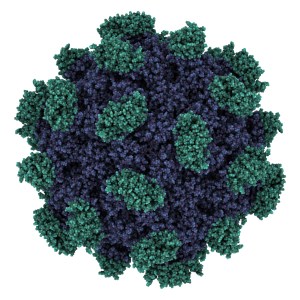
In the Part 1 Expert meeting, the virus-commodity combinations ranked of highest priority were human norovirus and hepatitis A virus in shellfish, fresh and frozen produce, prepared and ready-to-eat (RTE) foods, and hepatitis E virus in pork and wild game.
The Part 2 Expert meeting focused on these virus- commodity combinations and their associated contamination routes. Human faecal matter and vomit from infected individuals are the primary sources of contamination for norovirus and hepatitis A virus.
Across the food supply chain, the primary contamination routes are faecally-impacted waters, food handlers carrying foodborne viruses, and surfaces. Zoonotic hepatitis E virus is present in the meat, organ tissues, and excretions of infected swine and some game animals. Since that initial expert meeting report from 2008, awareness of the public health importance of these foodborne virus-commodity combinations has increased, resulting in additions or changes to some food supply chain management strategies and
research initiatives. Prevention remains the cornerstone of control of foodborne viruses. This is because these viruses are environmentally persistent and resistant to many treatments commonly used to inactivate foodborne pathogens. Effective inactivation methods continue to be necessary and are currently being evaluated.

 FoodWorld