Category Archives: Uncategorized

Research -Microbiological quality of raw vegetables and ready to eat products sold in Abidjan (Côte d’Ivoire) markets

African Journal of Microbiological Research cherry-tomato-pristine-variety
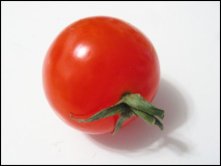
Vegetables are usually consumed raw. This implied best hygienic conditions from the harvest to the processing because of the gastro-enteritis that they could provoke. This study was conducted with the aim to appreciate microbiological quality of raw tomatoes, endives and ready-to-eat products sold in markets. Samples were taken randomly in two markets of Abidjan. A microbiological analysis was done in order to identify and enumerate faecal coliforms, Escherichia coli, Enterococcus and Pseudomonas. A decontamination treatment based on washing samples with running water and sodium hypochlorite solution I° chlorymetric was also applied to tomatoes and endives. The results indicated that, for tomatoes and endives, the average load was 1.5.104 CFU/g of Enterococcus, 1.3.103 CFU/g of Pseudomonas and 1.7.102 CFU/g of faecal coliforms. In ready-to-eat products, the load was 9.3.101 CFU/g for Enterococcus, l.03.101 CFU/g for Pseudomonas and 9.9.101 CFU/g for faecal coliforms. The disinfection with a sodium hypochlorite solution l° chlorymetric reduced Enterococcus and faecal coliforms load to 98% and Pseudomonas load to 97% as compared to the washing with running water in which Enterococcus was only reduced to 80%, faecal coliforms to78% and Pseudomonas to 73%. Escherichia coli were isolated in 28 samples as follow: 15 stumps from endives (54%), 10 stumps from tomatoes (36%) and 3 stumps from ready-to-eat products (10%). Results showed that before consumption, vegetables need to be washed, cleaned and disinfected. This will avoid sanitary hazard.
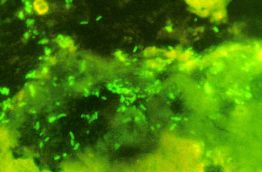
Australia -Cause of food poisoning outbreak at Moreland Meals on Wheels identified

3AW693

A food poisoning outbreak at the Meals on Wheels service run by City of Moreland has been confirmed.

As revealed by Neil Mitchell, it’s been found the common link between 14 cases of salmonella from late last year was that they had received Meals on Wheels.

The council has done a clean-up and the food service is continuing to operate as usual.

No further cases of illness have been identified.

Japan -Over 700 fall to suspected food poisoning

Nippon TV

Over 700 kids and teachers in western Japan are showing symptoms of suspected food poisoning.

Research -China: mcr-1 gene found in a number of E. coli strains

ecoliOutbreak News Today

The mcr-1 gene–a gene that makes bacteria resistant to colistin, an antibiotic of last resort, and that is transferrable between bacteria–has been found in a wide variety of strains of Escherichia coli in China following widespread use of colistin in agriculture.

As China prepares to introduce the drug for the first time in human medicine, two new studies published in The Lancet Infectious Diseases provide evidence of how widely the mcr-1 gene has spread to bacteria in clinical settings, including to a minority already resistant to the carbapenem class of antibiotics, and highlight the need for caution and careful prescribing when the country introduces colistin.

Canada -Canada E. coli outbreak: Additional cases reported in British Columbia, Newfoundland

Ecoli IstockOutbreak News Today

In a follow-up on the multi-province E.coli O121 outbreak in Canada, The Public Health Agency of Canada has reported an additional two cases–one each from British Columbia and Newfoundland and Labrador.

To date, 14 cases of E.coli O121 with a matching genetic fingerprint have been reported in three provinces: British Columbia (5), Saskatchewan (4), and Newfoundland and Labrador (5). The illness onset dates range from November 2016 to January 2017.

Five individuals have been hospitalized. These individuals have recovered or are recovering. The investigation into the source of the outbreak is ongoing.

USA – Cookie dough producer on notice from FDA for Listeria issues

Food Safety News

Thomas and Nancy Lundeen may never look at Groundhog’s Day the same again. They’ve got until then to respond to an FDA warning letter about Listeria in their cookie dough and production plant — give or take a day depending on how long it took an overnight service to deliver the letter.

UK -UK: Campylobacter data 2006 to 2015

Poultry Med

PHE

2017127111350_big


USA -Legionnaires’ disease: NY accounts for 14% of cases in US

legionellacOutbreak News Today

Today, the Alliance to Prevent Legionnaires’ Disease joined forces with public health and environmental advocate Erin Brockovich and the president of Allergy & Asthma Network (AAN) Tonya Winders to call on lawmakers and health officials to work towards real, effective solutions to New York’s escalating Legionella and Legionnaires’ disease crisis. Misguided regulations for combating the disease were implemented after the 2015 South Bronx outbreak, and unfortunately—though predictably—instances of Legionnaires’ have continued to climb across the state since the regulations went into effect.

Hong Kong -Hong Kong reports high Norovirus activity

Norwalk_CaspidOut Break News Today

The Centre for Health Protection (CHP) of the Department of Health today drew the public’s attention to increased activity of norovirus in Hong Kong and overseas and neighboring areas in recent months, and hence reminded travellers during the Lunar New Year to maintain strict personal, hand, food and environmental hygiene.

“Locally, the CHP’s laboratory surveillance has revealed high norovirus activity since the autumn months,” a spokesman for the CHP said.

The norovirus-positive percentage among fecal specimens was 16.57 per cent and 13.70 per cent in November and December 2016 respectively. Among 14 institutional acute gastroenteritis outbreaks affecting 123 persons in the past four weeks as of January 24, 2017, two outbreaks involving 25 persons were norovirus-related.

Research -Steep rise in norovirus cases and emergence of a new recombinant strain GII.P16-GII.2, Germany, winter 2016

Eurosurveillance

Food Borne Illness - Norovirus -CDC Photo

CDC Photo


Since early November 2016, the number of laboratory-confirmed norovirus infections reported in Germany has been increasing steeply. Here, we report the detection and genetic characterisation of an emerging norovirus recombinant, GII.P16-GII.2. This strain was frequently identified as the cause of sporadic cases as well as outbreaks in nine federal states of Germany. Our findings suggest that the emergence of GII.P16-GII.2 contributed to rising case numbers of norovirus gastroenteritis in Germany