Category Archives: Uncategorized

Kazakhstan: Hepatitis A sickens dozens in Karaganda region

Outbreak News Today

A hepatitis A outbreak has been recorded in the Karaganda region of central Kazakhstan. According to the chairman of the Public Health Protection Committee of the Ministry of Health of the Republic of Kazakhstan, Zhandarbek Bekshin, 51 cases of hepatitis A have been registered, according to a NUR.KZ report (computer translated).

hepatitis AThirty-four of the patients, or 70 percent are schoolchildren.

Bekshin called the cause of infection of children with hepatitis. According to him, the cause of the disease of students with hepatitis A in school number 58 was a home-made drink, which the children used on December 28.

USA – Rhode Island Stop and Shop Deli Shuttered Over Listeria

Food Poisoining Journal

The Rhode Island Department of Health (RIDOH) is advising consumers that Stop & Shop in Warwick is issuing a consumer alert regarding deli sliced meat and cheese because of potential exposure to Listeria monocytogenes.This alert pertains to deli sliced meat and cheese sold between January 18th and February 2rd. Customers who purchased deli sliced meat and cheese at this store during this period should discard these products and bring their receipts to Stop & Shop for full refunds.

The deli is temporarily closed while it is being professionally cleaned.

Research – Global warming could be poisoning your food

Market Watch

The old adage about not eating oysters in months that contain the letter ‘R’ may have to be updated.

Two foodborne pathogens — Vibrio and Cryptosporidium — are becoming more prevalent as a result of climate change, according to a report from Nutrition Action Healthletter, the flagship publication of the Center for Science in the Public Interest, a consumer advocacy nonprofit.

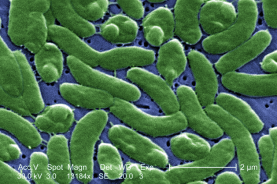
Vibrio are bacteria that can infect shellfish in coastal waters. The bacteria cause vibriosis, a form of food poisoning that causes an estimated 80,000 illnesses and 100 deaths annually, according to the Centers for Disease Control and Prevention. Some forms of vibrio are also responsible for cholera, and the bacteria can also cause a skin infection.

USA – Multistate Outbreak of Multidrug-Resistant Campylobacter Infections Linked to Contact with Pet Store Puppies (Final Update)

CDC 260px-YellowLabradorLooking_new

CDC, several states, and the U.S. Department of Agriculture’s Animal and Plant Health Inspection Service (USDA-APHIS) investigated a multistate outbreak of multidrug-resistant Campylobacter infections. Epidemiologic and laboratory evidence(https://www.cdc.gov/foodsafety/outbreaks/investigating-outbreaks/index.html) indicated that contact with puppies sold through Petland stores were a likely source of this outbreak. This outbreak investigation is over. Illnesses could continue to occur because people may be unaware of the risk of Campylobacter infections from puppies and dogs.

A total of 113 people with laboratory-confirmed infections or symptoms consistent with Campylobacter infection were linked to this outbreak. Illnesses were reported from 17 states(https://www.cdc.gov/campylobacter/outbreaks/puppies-9-17/map.html). Illnesses started on dates ranging from January 12, 2016 to January 7, 2018(https://www.cdc.gov/campylobacter/outbreaks/puppies-9-17/epi.html). Ill people ranged in age from less than 1 year to 86, with a median age of 27. Sixty-three percent of ill people were female. Of 103 people with available information, 23 (22%) were hospitalized. No deaths were reported. Whole genome sequencing(https://www.cdc.gov/ncezid/dfwed/keyprograms/tracking-foodborne-illness-wgs.html) (WGS) showed that isolates from people infected with Campylobacter were closely related genetically. This close genetic relationship means that people in this outbreak were more likely to share a common source of infection.

USA – Food & Water Watch Finds Privatized Inspection System Produces More Contaminated Chicken

Food Poisoning Bulletin 


Food & Watch Watch has analyzed the USDA’s regulatory sampling for Salmonella bacteria in the country’s poultry slaughter plants, and has found that more contaminated chicken is being produced. Thirty percent of plants operating under the new privatized system have failed the performance standard for that pathogenic bacteria.

Uruguay – Officials issue alert over Vibrio vulnificus infections

Outbreak News Today Vibrio_vulnificus_01

According to the Uruguay Ministry of Public Health (MSP), Vibrio vulnificus infections are “extremely rare” with less than 10 cases reported annually. However, since the beginning of the year, four serious cases have been reported, including three deaths prompting MSP to issue an alert, according to a LaRed 21 report (computer translated).

All the patients has an underlying medical condition. It is not noted how the bacterium was contracted.

According to officials, the cases were reported from Montevideo, Canelones and Maldonado.

Vibrio vulnificus can cause disease in those who eat contaminated seafood or have an open wound that is exposed to warm seawater containing the bacteria. Ingestion of Vibrio vulnificus can cause vomiting, diarrhea and abdominal pain. Vibrio vulnificus can also cause an infection of the skin when open wounds are exposed to warm seawater; these infections may lead to skin breakdown and ulcers.

Healthy individuals typically develop a mild disease; however, Vibrio vulnificus infections can be a serious concern for people who have weakened immune systems, particularly those with chronic liver disease.

Research – Experts Highlight Potential Antimicrobial Activity of Turmeric –

Newswire

Curcumin is believed to contain anti-inflammatory, antioxidant, anticarcinogenic, antibacterial, antitumor, antiseptic, antiviral and antimicrobial properties.

Experts highlight the potential antimicrobial activity of turmeric. In Indian cuisine and traditional medicine, turmeric has been used for thousands of years. It has a deep yellow-orange color with a potent taste that’s excellent for curry dishes.

In Ayurvedic and traditional medicine, this spice has been used by sufferers of various conditions. According to some experts, many of its possible effects come from its curcumin.

Curcumin is believed to contain anti-inflammatory, antioxidant, anticarcinogenic, antibacterial, antitumor, antiseptic, antiviral and antimicrobial properties. There are many health effects of this spice that are thought to be produced by its antimicrobial activity.

In animal and test tube experiments, it was found that turmeric may potentially kill bacteria and certain viruses.

In July 2013, a study was published in the journal called “Gut”. It was revealed that the spice may have an ability to offer protection to liver cells against hepatitis C, which is a liver disease-causing virus.

With the use of human liver cells, curcumin was incubated by the researchers with hepatitis C to determine its antiviral activity. It was revealed that turmeric had successfully inhibited the hepatitis C virus from accessing the human liver cells.

Research – Microbes may help astronauts transform human waste into food

Science Daily

Human waste may one day be a valuable resource for astronauts on deep-space missions. Now, a Penn State research team has shown that it is possible to rapidly break down solid and liquid waste to grow food with a series of microbial reactors, while simultaneously minimizing pathogen growth.

“We envisioned and tested the concept of simultaneously treating astronauts’ waste with microbes while producing a biomass that is edible either directly or indirectly depending on safety concerns,” said Christopher House, professor of geosciences, Penn State. “It’s a little strange, but the concept would be a little bit like Marmite or Vegemite where you’re eating a smear of ‘microbial goo.'”

Research – Effects of lactoperoxidase system-alginate coating on chemical, microbial, and sensory properties of chicken breast fillets during cold storage

Wiley Online Library  Campylobacter kswfoodworld

Abstract

The main aim of this study was to investigate the effect of alginate coating samples without lactoperoxidase system (A-L 0) and alginate coating samples containing lactoperoxidase system (LPOS) at levels of 2% (A-L 2), 4% (A-L 4), and 6% (A-L 6) on the shelf-life of chicken breast fillets. Chemical tests, including total volatile basic nitrogen (TVB-N), peroxide value (PV), pH, thiobarbituric acid reactive substances (TBARS), and free fatty acids (FFA), bacteriological tests of aerobic mesophilic bacteria (AMB), lactic acid bacteria (LAB), Pseudomonas aeruginosa, and Enterobacteriaceae and sensory analyses, including odor, transparency, color, and overall acceptability were performed. These coatings (especially A-L 6), despite the effect on decreasing the formation of TVB-N compounds (27.82 for control samples, and 21.72 mg N/100 g for A-L 6 samples) had no significant impact (p > .05) on FFA, PV, and TBARS. The LPOS-alginate coating was effective against Enterobacteriaceae, Pseudomonas aeruginosa, and aerobic mesophilic bacteria (AMB). Also, A-L 6 samples got acceptable sensory results. Overall acceptability of A-L 0 and A-L 6 samples were 3.21 ± 0.36 and 6.23 ± 0.38, respectively on the last day. These scores are significantly different (p < .05). Generally, results demonstrated a positive effect of alginate-LPOS coatings on shelf-life extension of chicken breast fillets during cold storage.

Practical applications

Concerning the effect of alginate coating incorporated with lactoperoxidase system on controlling the bacterial growth and improving the shelf-life of chicken breast fillets, such coating could has practical applications in increasing the food safety in meats and meat products.

Research – Evaluation of enumeration and MPN prediction methods for Staphylococcus aureus

Wiley Online Library  


Abstract

Staphylococcal food poisoning is among the most prevalent causes of foodborne intoxication. To monitor the safety and quality of food, rapid and reliable enumeration procedures for Staphylococcus aureus are essential. Here, we assess culture-based methods for the isolation and enumeration of S. aureus, testing different pre-enrichment broths, plated media, and the automated TEMPO instrument. We evaluated enumeration of S. aureus in seven different food commodities, including two naturally contaminated foods, at levels ranging between 100 and 1,500 cfu/g of inoculated target and nontarget organisms. Sixty-four food samples were analyzed. Duplicate test portions of 25 g each were homogenized with 225 ml of Butterfield’s phosphate buffer (1:10). Five tube most probable number (MPN) predictions comparing two pre-enrichment broths, tryptic soy broth containing 10% NaCl and 1% sodium pyruvate (PTSBS) and modified Giolitti and Cantoni (GC) were assessed alongside the TEMPO STA card and the direct plate count method. The direct plate count method using Baird Parker agar and BP with Rabbit Plasma Fibrinogen versus TEMPO STA demonstrated the highest proportion of agreement at 89.19%. The two different pre-enrichment broths assessed, PTSBS versus GC exhibited the lowest proportion of agreement at 47.5%. The TEMPO STA yielded results in 24 hr versus the current 4-day PTSBS MPN method for S. aureus, with an 84.62% agreement.

Practical applications

Overall food quality, recalls, and other regulatory decisions are often contingent upon enumeration results. A prompt turnaround time can assist in expediting the release of unadulterated foods, and the swift removal of adulterated foods out of the food supply chain. This is paramount to the microbiology and food safety community who must consider which methods will provide more accurate and timely assessments of food contamination.