Category Archives: Uncategorized

USA- Campylobacter Outbreak – Raw Milk – 45 Cases

Campylobacter Blog imagesCAZ9J1WP

Utah public health officials are investigating a cluster of illness associated with the consumption of raw or unpasteurized milk. To date, 45 cases of Campylobacter infection have been reported in people who indicated that they consumed raw milk in the week before illness began. Cases have been reported from: Cache, Davis, Morgan, Salt Lake, Utah and Weber counties. Two cases occurred in out of state residents from California and Idaho. Onset dates range from May 9, 2014 to July 21, 2014. The cases range in age from two to 74 years.

All 45 cases are linked to the consumption of raw milk or cream purchased at Ropelato Dairy in Weber County. Utah Department of Agriculture and Food inspectors suspended the dairy’s license to sell raw milk on August 4, 2014, after several tests of raw milk samples taken at the farm were positive for Campylobacter.

Hong Kong – Food Alert – Raw Cow’s Milk Cheese Imported from France Contaminated by E. coli

FSC logo

Product name: Saint Marcellin IPG
Place of origin: France
Importer: Olivier Pacific Ltd
Lot no: 11733104
Best before date: August 7, 2014

The raw cow’s milk cheese in question was suspected to be contaminated by Shiga toxin-producing E. coli O26:H11 and the manufacturer concerned in France had initiated a recall of the product. A small amount of the affected product was imported to Hong Kong last month.


Research – Listeria Osmotic Pressure – HUS Linked to E.coli in Cheese

Science Direct – Effects of osmotic pressure, acid, or cold stresses on antibiotic susceptibility of Listeria monocytogenes

Prevalence of antibiotic resistance of Listeria monocytogenes isolated from a variety of foods has increased in many countries. L. monocytogenes has many physiological adaptations that enable survival under a wide range of environmental stresses. The objective of this study was to evaluate effects of osmotic (2, 4, 6, 12% NaC), pH (6, 5.5, 5.0) and cold (4 °C) stresses on susceptibility of three isolates of L. monocytogenes towards different antibiotics. The minimal inhibitory concentrations (MICs) of tested antibiotics against unstressed (control), stressed or post-stressed L. monocytogenes isolates (an ATCC strain and a meat and dairy isolate) were determined using the broth microdilution method. Unstressed cells of L. monocytogenes were sensitive to all tested antibiotics. In general, when L. monocytogenes cells were exposed to salt, cold and pH stresses, their antibiotic resistance increased as salt concentration increased to 6 or 12%, as pH was reduced to pH 5 or as temperature was decreased to 10 °C. Results showed that both meat and dairy isolates were more resistant than the ATCC reference strain. Use of sub-lethal stresses in food preservation systems may stimulate antibiotic resistance responses in L. monocytogenes strains.

Wiley Online Library – Quantitative Risk Assessment of Haemolytic and Uremic Syndrome Linked to O157:H7 and Non-O157:H7 Shiga-Toxin Producing Escherichia coli Strains in Raw Milk Soft Cheeses

Shiga-toxin producing Escherichia coli (STEC) strains may cause human infections ranging from simple diarrhea to Haemolytic Uremic Syndrome (HUS). The five main pathogenic serotypes of STEC (MPS-STEC) identified thus far in Europe are O157:H7, O26:H11, O103:H2, O111:H8, and O145:H28. Because STEC strains can survive or grow during cheese making, particularly in soft cheeses, a stochastic quantitative microbial risk assessment model was developed to assess the risk of HUS associated with the five MPS-STEC in raw milk soft cheeses. A baseline scenario represents a theoretical worst-case scenario where no intervention was considered throughout the farm-to-fork continuum. The risk level assessed with this baseline scenario is the risk-based level. The impact of seven preharvest scenarios (vaccines, probiotic, milk farm sorting) on the risk-based level was expressed in terms of risk reduction. Impact of the preharvest intervention ranges from 76% to 98% of risk reduction with highest values predicted with scenarios combining a decrease of the number of cow shedding STEC and of the STEC concentration in feces. The impact of postharvest interventions on the risk-based level was also tested by applying five microbiological criteria (MC) at the end of ripening. The five MCs differ in terms of sample size, the number of samples that may yield a value larger than the microbiological limit, and the analysis methods. The risk reduction predicted varies from 25% to 96% by applying MCs without preharvest interventions and from 1% to 96% with combination of pre- and postharvest interventions

USA – Vibrio vulnificans Outbreak – Shellfish

Outbreak News Today

A newly reported Vibrio vulnificus case in Charlotte County, Florida, the county’s third case, brings the states total to 16, according to the latest numbers released from the Florida Department of Health today.

The total number of fatalities reported in the state remains unchanged at three. For more infectious disease news and information, visit and “like” the Infectious Disease News Facebook page

People can get infected with Vibrio vulnificus when they eat raw shellfish, particularly oysters. The bacterium is frequently isolated from oysters and other shellfish in warm coastal waters during the summer months. Since it is naturally found in warm marine waters, people with open wounds can be exposed to Vibrio vulnificus through direct contact with seawater. There is no evidence of person-to-person transmission of Vibrio vulnificus.

Sweden – Meat Products Recall -Listeria monocytogenes

The Local

Tulip Food Company, which sells its meat products in both Denmark and Sweden, announced a recall of its Danish deli meat products on Friday after finding traces of listeria in portions of meat sold in Sweden.

The company specified that the discovered amounts were miniscule, but that it was exercising caution.

Canada – Correction – Food Recall Warning – MaraNatha Brand almond butters and Peanut Butters and Trader Joe’s Brand Raw Almond Butters Recalled Due to Salmonella

CFIA Aflatoxin

The food recall warning issued on August 19, 2014 has been amended to correctly identify the affected codes for the MaraNatha brand almond butter and peanut butter products. The corrections for these products are marked by an asterisk (*) in the link above.

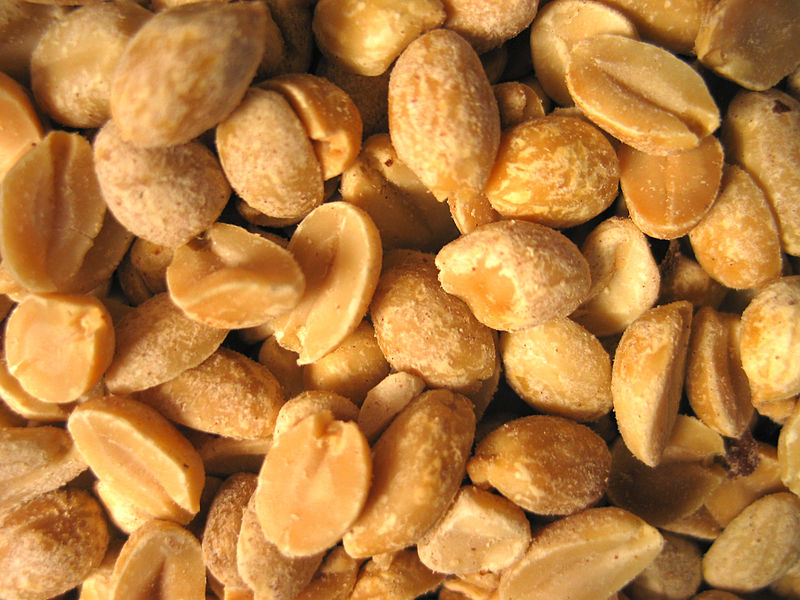
Industry is recalling MaraNatha and Trader Joe’s brands almond butters and peanut butters from the marketplace due to possible Salmonella contamination. Consumers should not consume the recalled products described below.

USA – Recall Botulinum Fear – Canned Soups

Botulism Blog

The Virginia Department of Agriculture and Consumer Services is warning consumers not to eat any canned soups or sauces made by Corfinio Foods of Richmond, VA, because they were improperly processed and therefore susceptible to contamination with Clostridium botulinum.

Ingestion of botulism toxin from improperly processed jarred and canned foods may lead to serious illness and death. Although there have been no reported cases of illness associated with these products, the department stated that it was issuing a consumer warning so that people who have previously purchased the products do not consume them.

FSA – Advice on Safe Handling of Eggs

FSA EGGS

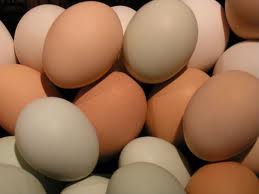
The FSA is today reminding caterers of its advice on the safe handling of eggs. Strong circumstantial evidence suggests that eggs used in catering establishments may be linked to the recent outbreak of salmonella in England.

There is also evidence to indicate that cases in Europe with the same strains of salmonella infection are associated with consumption of eggs.

The FSA is reminding caterers of the following advice:

  • keep eggs away from other foods, when they are still in the shell and when you have cracked them open
  • don’t use damaged or dirty eggs
  • be careful not to splash raw egg onto other foods, surfaces or dishes
  • if you are breaking eggs to use later (sometimes called ‘pooling’) keep the liquid egg in the fridge and take out small amounts as needed
  • use all ‘pooled’ liquid egg on the same day and don’t add new eggs to top it up
  • cook eggs and foods containing eggs thoroughly
  • use pasteurised egg for raw or lightly cooked foods
  • always wash and dry your hands thoroughly after touching eggs or working with them
  • clean food areas, dishes and utensils thoroughly and regularly, using warm soapy water, after working with eggs
  • serve egg dishes straight away, or cool them quickly and keep chilled

USA – USDA – California Firm Recalls Chicken Caesar Salad Kits For Possible Listeria Contamination

USDA USDA

APPA Fine Foods, a Corona, Calif. establishment, is recalling approximately 92,657 pounds of fully cooked chicken Caesar salad kit products due to concerns about possible Listeria monocytogenes (Lm) contamination, the U.S. Department of Agriculture’s Food Safety and Inspection Service (FSIS) announced today.

The salad kits were shipped nationwide to one bulk warehouse chain for retail sale in its in-store cafés. [APPA Fine Foods produced the kits used by the bulk warehouse chain.] The following products are subject to recall:

  • 11oz. clear plastic containers and 6.5-lb. boxes labeled, “APPA Fine Foods/Sam’s Club Daily Chef CHICKEN CAESAR SALAD KIT” with case codes 141851, 141922, 141951, 141991, 142021, 142201 or 142131 with use by dates of 8/14/14, 8/21/14, 8/27/14, 9/1/14, 9/3/14 or 9/17/14. The kits were produced on July 4, July 11, July 14, July 18, July 21, July 25, Aug. 1 and Aug. 8, 2014.

Box labels bear the establishment number “P-21030” inside the USDA mark of inspection.

Michigan Department of Agriculture and Rural Development personnel informed FSIS they received two confirmed positive Lm results from retail product purchased at one of the bulk warehouse chain locations. The bulk warehouse chain then sampled intact components of the salad kits. Only the chicken came up positive with Lm.

FSIS and the company have received no reports of illnesses associated with consumption of these products. Anyone concerned about an illness should contact a healthcare provider.


Canada – CFIA – More Peanut Butter Recalls – Salmonella

CFIA

The food recall warning issued on August 19, 2014 has been amended to correctly identify the affected codes for the MaraNatha brand almond butter and peanut butter products. The corrections for these products are marked by an asterisk (*) in the link above.

Industry is recalling MaraNatha and Trader Joe’s brands almond butters and peanut butters from the marketplace due to possible Salmonella contamination. Consumers should not consume the recalled products described in the link above.