Category Archives: Uncategorized

Research – Prevalence and Characterization of Antimicrobial-Resistant Escherichia coli Isolated from Conventional and Organic Vegetables

Mary Ann Liebert

To compare the characteristics and to identify the epidemiological relationships of Escherichia coli isolated from organic and conventional vegetables, the antimicrobial resistance and genetic properties of E. coli were investigated from 2010 to 2011. E. coli was isolated from 1 of 111 (0.9%) organic vegetables and from 20 of 225 (8.9%) conventional vegetables. The majority of strains were isolated from the surrounding farming environment (n=27/150 vs. 49/97 in organic vs. conventional samples). The majority of the vegetable strains were isolated from the surrounding farming environments. E. coli isolated from organic vegetables showed very low antimicrobial resistance rates except for cephalothin, ranging from 0% to 17.9%, while the resistance rates to cephalothin (71%) were extremely high in both groups. E. coli isolates expressed various resistance genes, which most commonly included blaTEM, tet(A), strA, strB, and qnrS. However, none of the isolates harbored tet(D), tet(E), tet(K), tet(L), tet(M), or qnrA. The transferability of tet gene, tet(A), and tet(B) was identified in tetracycline-resistant E. coli, and the genetic relationship was confirmed in a few cases from different sources. With regard to the lower antimicrobial resistance found in organic produce, this production mode seems able to considerably reduce the selection of antimicrobial-resistant bacteria on vegetables.

Denmark – More Listeria Found at Another Sandwich Producer

The Copenhagen Post

Another sandwich meat producer has been hit by the listeria outbreak that has now claimed 13 lives in Denmark. The food product authorities Fødevarestyrelsen ordered the Delika plant near Hammel to close its doors – for 24 hours – so that cutting equipment and other equipment that came into contact with contaminated ‘rullepølse’ sandwich meat, which originated from Jørn A Rullepølser in Hedehusene near Copenhagen, can be thoroughly cleaned.

Malaysia – Bacteria Found in Water Samples from Malaysias Vending Machines

The Straits Times iStock_000008493122Small

The water you buy from vending machines in Malaysia may not be as clean as you think. Twenty-nine samples of water were drawn from such machines throughout the Klang Valley – and almost all were contaminated. There were harmful E. coli, Coliform and Clostridium perfringens microbes – the same kind of bacteria found in untreated sewage. Coliform and Clostridium perfringens are also the same bacteria found in human and animal faeces. These bacteria can cause cramps, diarrhoea and other gastrointestinal problems.

Research – Does Campylobacter jejuni Form Biofilms in Food-Related Environments?

American Society for Microbiology Campylobacter_jejuni_01

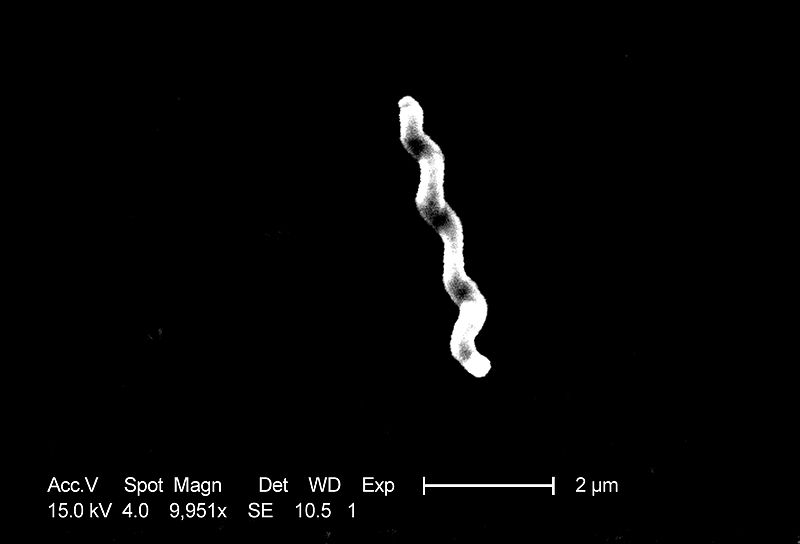
Campylobacter jejuni is one of the most frequent causes of bacterial gastrointestinal food-borne infection worldwide. This species is part of the normal flora of the gastrointestinal tracts of animals used for food production, including poultry, which is regarded as the primary source of human Campylobacter infections. The survival and persistence of C. jejuni in food processing environments, especially in poultry processing plants, represent significant risk factors that contribute to the spread of this pathogen through the food chain. Compared to other food-borne pathogens, C. jejuni is more fastidious in its growth requirements and is very susceptible to various environmental stressors. Biofilm formation is suggested to play a significant role in the survival of C. jejuni in the food production and processing environment. The aims of this minireview were (i) to examine the evidence that C. jejuni forms biofilms and (ii) to establish the extent to which reported and largely laboratory-based studies of C. jejuni biofilms provide evidence for biofilm formation by this pathogen in food processing environments. Overall existing studies do not provide strong evidence for biofilm formation (as usually defined) by most C. jejuni strains in food-related environments under the combined conditions of atmosphere, temperature, and shear that they are likely to encounter. Simple attachment to and survival on surfaces and in existing biofilms of other species are far more likely to contribute to C. jejuni survival in food-related environments based on our current understanding of this species.


USA – E.coli O157 Outbreak Update

Food Poisoning Bulletin E__Coli_0157

At least 122 people in Alberta have contracted E.coli O157:H7, infections during the last month, according to the Canadian Press. There are 59 confirmed cases in Calgary, 48 in Edmonton, seven in the South, six in the North and two the Central zone.

Health authorities have not yet determined the source of the outbreak. Sprouts have been mentioned as possible source. Some of the case patients who were hospitalized earlier this month told investigators they ate fresh bean sprouts prior to becoming ill.

RASFF Alerts – Suspected Food Posioning

RASFF-Logo

RASFF -food poisoning suspected to be caused by chilled mussles from Spain in France

RASFF Alerts – STEC E.coli – O26 – O104 – O128 -O159 – Raw Milk Cheeses – Beef -Lamb

Food Testing - Eurofins

RASFF-shigatoxin-producing Escherichia coli (stx1) in roquefort from raw sheep’s milk from France in Germany

RASFF-shigatoxin-producing Escherichia coli in frozen beef (bos taurus) from Argentina in Italy

RASFF-shigatoxin-producing Escherichia coli (O26H11 stx+, eae+) in raw goat milk cheese from France in France

RASFF-shigatoxin-producing Escherichia coli (O104, O128 & O159 detected) in frozen lamb meat from New Zealand in the Netherlands


RASFF Alerts – Listeria monocytogenes – Smoked Salmon

RASFF-Logo

RASFF -Listeria monocytogenes (presence /25g) in smoked salmon from Poland in Italy

RASFF Alerts – Aflatoxins – Groudnuts – Crushed Chilli – Peanuts

RASFF-Logo

RASFF-aflatoxins (B1 = 22; Tot. = 27 µg/kg – ppb) in shelled groundnuts from India in the UK

RASFF-aflatoxins (B1 = 24 µg/kg – ppb) in crushed chilli from India in the UK

RASFF-aflatoxins (B1 = 8.9; Tot. = 9.9 µg/kg – ppb) in peanuts from China in the UK

RASFF Alerts – Moulds – Hazlenuts – Raisins – Vegetable Mix

RASFF-Logo

RASFF -Blanched hazelnut kernels from Turkey infested with moulds in Greece

RASFF-Raisins from India infested with moulds in Poland

RASFF-Vegetables mix from Italy infested with moulds in the Netherlands