
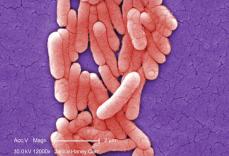
Salmonella infection (salmonellosis) is a common bacterial disease that affects the intestinal tract. Salmonella bacteria typically live in animal and human intestines and are shed through feces. Humans become infected most frequently through contaminated water or food.
Salmonellas are a group of common bacteria that cause food poisoning. They are usually spread by inadequate cooking and through cross-contamination. Salmonella bacteria are most often found in:
- raw meat
- undercooked poultry such as chicken or turkey
- eggs
- unpasteurised milk
Young children, the elderly and people whose immune systems are not working properly have a greater risk of becoming severely ill with food poisoning caused by salmonella. The NHS has more information about the symptoms of salmonella poisoning.

 FoodWorld