Monthly Archives: July 2015

Research – Retail meat is a potential vehicle for disease-causing Klebsiella

Science Daily

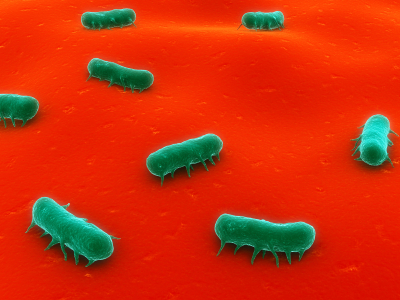
Chicken, turkey and pork sold in grocery stores harbors disease-causing bacteria known as Klebsiella pneumoniae, according to a new study. The research, which was published online today in the journal Clinical Infectious Diseases, shows that contaminated meat may be an important source of human exposure to Klebsiella.

The U.S. food safety system has traditionally focused on a few well-known bacteria like Listeria, Salmonella and Campylobacter, which cause millions of cases of food poisoning every year. The research published suggests that Klebsiella may need to be added to the list of risky bugs in food products

USA – Outbreak of Cryptosporidiosis Among Veterinary Medicine Students — Philadelphia, Pennsylvania, February 2015

CDC

On February 20, 2015, a northeastern university’s student health center was notified of five veterinary medicine students with gastrointestinal symptoms. An investigation was conducted to establish the existence of an outbreak, determine the etiology, evaluate risk factors, and recommend control measures.

All five students had attended a training session at the university’s bovine obstetrics laboratory on February 13, which included the handling of two euthanized calves. Patient symptoms, date of onset, and history of calf exposure suggested cryptosporidiosis. Infection with Cryptosporidium, a protozoa that causes watery diarrhea and is transmitted by infectious oocysts via the fecal-oral route (1), is common among calves (2). Symptoms in humans typically begin 7 days (range = 2–10 days) after infection and include intermittent abdominal cramps, nausea, vomiting, fever, and weight loss, lasting approximately 1–2 weeks (3).

Two calves used in the training sessions had been euthanized and frozen at -1.4°F (-17.0°C) on February 11. Approximately 28 hours later, the calves were thawed and detergent-washed by laboratory staff in accordance with standard protocols. Necropsies were performed on both animals on February 23, and revealed Cryptosporidium oocysts on an acid-fast stain of an intestine smear from one of the calves.

Research – Food-borne diseases associated with frozen berries consumption: a historical perspective, European Union, 1983 to 2013 – Hepatitis A – Norovirus

Eurosurveillance

Epidemiological investigations of outbreaks of hepatitis A virus (HAV) and norovirus (NoV) infections in the European Union/European Economic Area (EU/EEA) in the last five years have highlighted frozen berries as a vehicle of infection. Given the increasing berry consumption in the EU over the last decades, we undertook a review of the existing evidence to assess the potential scale of threat associated with this product. We searched the literature and four restricted-access online platforms for outbreak/contamination events associated with consumption of frozen berries. We performed an evaluation of the sources to identify areas for improvement. The review revealed 32 independent events (i.e. outbreak, food contamination) in the period 1983–2013, of which 26 were reported after 2004. The identified pathogens were NoV, HAV and Shigella sonnei. NoV was the most common and implicated in 27 events with over 15,000 cases reported. A capture–recapture analysis was performed including three overlapping sources for the period 2005–2013. The study estimated that the event-ascertainment was 62%. Consumption of frozen berries is associated with increasing reports of NoV and HAV outbreaks and contamination events, particularly after 2003. A review of the risks associated with this product is required to inform future prevention strategies. Better integration of the available communication platforms and databases should be sought at EU/EEA level to improve monitoring, prevention and control of food-borne-related events.

USA – Norovirus – E.coli – Beaches Closed

Daily Journal Norwalk_Caspid

FORT LOUDON, Pennsylvania — State officials have closed the beaches at a central Pennsylvania state park after at least 29 swimmers were sickened with norovirus, possibly from E. coli bacteria in the water.

WHTM-TV (http://bit.ly/1CR8j83 ) says those sickened swam in the lake July 18 or 19. The lake and beach at Cowans Gap State Park have been closed to swimmers, though fishing and boating are still permitted. The park straddles the border of Franklin and Fulton counties and is located about 60 miles west of Harrisburg.

USA – Salmonella – Pork – Chicken

Food Poisoning Bulletin Salm

Frozen, stuffed chicken entrees recalled for Salmonella were sold at Kroger, Giant, Schnucks, Aldi, Food Lion, Safeway and Pick n Save grocery stores. The recalled products have been linked to a Salmonella outbreak that has sickened three people in Minnesota and may include illnesses in other states.

CDC

As of July 20, 2015, 62 people infected with the outbreak strain of Salmonella Paratyphi B variant L(+) tartrate(+) have been reported from 11 states. Eleven ill people have been hospitalized. No deaths have been reported.

Food Poisoning Bulletin

A Salmonella outbreak has been reported at Tallulah’s restaurant in Seattle’s Capitol Hill neighborhood, according to the Seattle Times. King County reports that about 200 to 300 Salmonella cases are reported every year. In this outbreak, at least 16 people were sickened.

The Seattle Times

At least 56 people in eight counties in Washington state have been sickened by a rare strain of salmonella food poisoning apparently linked to eating pork, health officials said.

RASFF Alert – Norovirus – Fresh Oysters

RASFF-Logo

RASFF– Norovirus in fresh oysters from the Netherlands  in Italy

RASFF Alert – Histamine – Tuna

RASFF-Logo

RASFF-histamine (312 mg/kg – ppm) in chilled sliced tune (Thunnus albacares) from the Maldives in Italy

RASFF Alerts – Bacillus – Bacillus licheniformis – Onion Powder – Bacillus subtilis – Garlic Powder

RASFF-Logo

RASFF-Bacillus licheniformis (290000 CFU/g) in onion powder from the United Kingdom in Ireland

RASFF-Bacillus subtilis (240000 CFU/g) in garlic powder from the United Kingdom in Ireland

RASFF Alerts – Salmonella – Sausages – Minced Meat – Truffled Omlette Powder – Paan Leaves – Betel Leaves -Poultry Meat

RASFF-Logo

RASFF-Salmonella typhimurium (presence /10g) in merguez – sausages from France in France

RASFF-Salmonella Rissen (presence /10g) in frozen minced meat from Italy in France

RASFF-Salmonella (present /25g) in powder omelette truffled from France in France

RASFF-Salmonella spp. (presence /25g) in paan leaves from India in the UK

RASFF-Salmonella (in 2 out of 5 samples) in betel leaves from India in the UK

RASFF-Salmonella (present /25g) in frozen poultry meat preparation from Thailand in the Netherlands

RASFF-Salmonella (present /25g) in frozen poultry meat preparation from Thailand in the Netherlands

RASFF-Salmonella spp. (in 1 out of 5 samples /25g) in paan leaves from India in the UK

RASFF Alerts – Aflatoxin – Groundnuts – Peanut Powder – Peanuts – Chilli – Spice Red Pepper Powder – Psitachio Nuts

RASFF-Logo

RASFF-aflatoxins (B1 = 6.9; Tot. = 7.3 µg/kg – ppb) in groundnuts in shell from Egypt in Germany

RASFF-aflatoxins (B1 = 9.9; Tot. = 24.9 / B1 = 13.1; Tot. = 28.8 µg/kg – ppb) in peanut powder from China in France

RASFF-aflatoxins (B1 = 8.1; Tot. = 8.6 µg/kg – ppb) in shelled peanuts from the United States in the UK

RASFF-aflatoxins (B1 = 16.1; Tot. = 17.2 µg/kg – ppb) in whole stemless chilli from India in the UK

RASFF-aflatoxins (B1 = 16.4; Tot. = 46.7 µg/kg – ppb) and ochratoxin A (92.5 µg/kg – ppb) in spiced red pepper powder from Ethiopia in the UK

RASFF-aflatoxins (B1 = 22.03; Tot. = 44.45 µg/kg – ppb) in roasted red inside pistachio nuts from Turkey in Romania

RASFF-aflatoxins (B1 = 7.8; Tot. = 8.5 µg/kg – ppb) in peanuts in shell from China in Portugal