Tag Archives: Food Safety

EFSA – World Health Day – How Safe is Your Food?

EFSA efsa

Food safety is the topical theme of this year’s World Health Day on 7 April. The day marks the founding of the World Health Organisation (WHO) in 1948.

By choosing food safety as its main theme, the WHO raises awareness of a public health issue of global relevance and invites food producers, policy-makers and the public to promote food safety.

Food safety is at the heart of the work of the European Food Safety Authority (EFSA). Its mission is to protect the 500 million European consumers and ensure that their food is safe.

The Authority provides impartial scientific advice on potential risks to food safety along the entire food chain. This includes: plant protection; animal health and welfare; the impact of the food chain on the environment; transportation and storage of food; food production and innovation; and health claims. EFSA’s scientific advice is used by European decision makers, national authorities, academia, consumer organisations and the public at large.

UK – Food Safety Courses – Yorkshire

yourlogo

Food Microbiology Solutions

Food Safety Courses 2015

The following Food Safety Courses are now available in West Yorkshire

  • Level 4 HACCP: 20th-24th April, Leeds, £850
  • Level 3 Food Safety: 8th-10th June, Wakefield, £349
  • Level 3 HACCP: 22nd-23rd September, Wakefield, £315


Research – Temperature and Food

Food Safety News

Our recent article about why thermometers are important for food safety may have gotten you thinking about getting one or using the one you have more often. If so, here’s some advice on how to select and use one.

Food Safety News

Log documentation involving temperature is a necessary tool in any food processing environment. Whether it is cold holding, hot holding, cooking, cooling, refrigeration, freezer or time controlled, temperature logs not only shed a light on whether an employee understands the process, but are also a strong indicator of potential liability.

Malaysia – Global Food Safety Conference

GFSI

The GFSI Global Food Safety Conference is a unique annual event bringing together over 800 leading food safety specialists from over 50 countries to advance Food Safety globally. The Conference provides the opportunity to meet and network with industry peers, share knowledge, benefit from thought-provoking presentations from internationally reputed industry experts and hear innovative ideas to implement in your workplace.

Hong Kong – Food Alert – A kind of bottled preserved bean curd contaminated with Bacillus cereus

CFS logo

<!–

–>

2015-01-22
Source of Information Centre for Food Safety (CFS)
Food Product Fermented bean curd
Name of Importer
Product name and Description Details of the products are as follows:

Product name: Yummy House Wet Bean Curd
Place of origin: China
Best before date: August 29, 2016
Total net weight: 280 grams per bottle

Reason For Issuing Alert

– The preserved bean curd sample was collected at a shop in Sha Tin for testing under the CFS’ regular Food Surveillance Programme. Test result showed that the sample contained Bacillus cereus at a level of 260 000 per gram.
-According to the “Microbiological Guidelines for Food”, it is potentially injurious to health or unfit for human consumption if a gram of ready-to-eat food contains more than 100 000 of Bacillus cereus.
-Consuming food contaminated with excessive Bacillus cereus may cause gastrointestinal upset such as vomiting and diarrhoea.

Hong Kong – Raw Oyster Warning

7th Space Interactive Vibrio

Hong Kong (HKSAR) – The Centre for Food Safety (CFS) of the Food and Environmental Hygiene Department today (December 25) reminded the public to pay attention to food safety to prevent food-related illness during holidays and seasonal celebrations. Susceptible groups, such as the elderly, young children, pregnant women, and people with weakened immune systems or liver diseases, should avoid eating high risk food like raw oysters.

A CFS spokesman said, “The CFS received referrals from the Centre for Health Protection on two suspected food poisoning clusters recently. Raw oysters were among the suspected food items in both outbreaks.

India- FSSAI Food Safety Website

FSAI images

Welcome to Food Safety Helpline – your one stop solution for staying up-to-date, understanding and implementing the requirements of the Food Safety and Standards Act and the Food Safety and Standards Authority of India (FSSAI).

We are here to help you understand and comply with the requirements of this new and rapidly evolving law which has been put in place to provide safe and hygienic food to all the citizens of India.

Our team has worked with the food and hospitality industry for more than a decade, helping you implement the best food safety practices by regularly testing your products, ingredients and facilities to ensure compliance with global food safety standards.

Welcome to Food Safety Helpline – your one stop solution for staying up-to-date, understanding and implementing the requirements of the Food Safety and Standards Act and the Food Safety and Standards Authority of India (FSSAI).

We are here to help you understand and comply with the requirements of this new and rapidly evolving law which has been put in place to provide safe and hygienic food to all the citizens of India.

Our team has worked with the food and hospitality industry for more than a decade, helping you implement the best food safety practices by regularly testing your products, ingredients and facilities to ensure compliance with global food safety standards.

Welcome to Food Safety Helpline – your one stop solution for staying up-to-date, understanding and implementing the requirements of the Food Safety and Standards Act and the Food Safety and Standards Authority of India (FSSAI).

We are here to help you understand and comply with the requirements of this new and rapidly evolving law which has been put in place to provide safe and hygienic food to all the citizens of India.

Our team has worked with the food and hospitality industry for more than a decade, helping you implement the best food safety practices by regularly testing your products, ingredients and facilities to ensure compliance with global food safety standards.

Information – Sign up for the handbook Cleaning in place – securing food safety

Tetra Pak

Cleaning in place
securing food safety​

What is “cleaning in place”?

Cleaning in place, or CIP, refers to all those mechanical and chemical systems that are necessary to prepare equipment for food processing, either after a processing run that has produced normal fouling and wear, or when switching a processing line from one recipe to another.

Why is CIP important?

Cleaning is a must in the food industry, and an essential prerequisite to secure food safety and product quality. Cleaning is an integrated part of the whole production cycle. Cleaning is in focus because this has a major impact on availability and operational cost, which in turn contributes to the producer’s overall performance including the ability to reduce energy, utility and detergent consumption.

Why focus on cleaning?

  • Ensure food safety and product quality
  • Meet legislation
  • Maximize uptime and minimize downtime
  • Decrease environmental load

Who is this handbook for?

This handbook is for production managers, project managers, quality managers and others who help operate food processing plants. It’s also useful for R&D staff who are developing new products or planning investments in new plant equipment or new processing l​ines.

Be one of the first to receive the the Tetra Pak handbook “Cleaning in place – securing food safety” due in December and find out all you need to know about cleaning in place. Use the link at the top of the page.

WHO – Food Safety Report

WHO iStock_000012710183Small

Key facts

  • Access to sufficient amounts of safe and nutritious food is key to sustaining life and promoting good health.
  • Unsafe food containing harmful bacteria, viruses, parasites or chemical substances, causes more than 200 diseases – ranging from diarrhoea to cancers.
  • Foodborne and waterborne diarrhoeal diseases kill an estimated 2 million people annually, mostly children.
  • Food safety, nutrition and food security are inextricably linked. Unsafe food creates a vicious cycle of disease and malnutrition, particularly affecting infants, young children, elderly and the sick.
  • Foodborne diseases impede socioeconomic development by straining health care systems, and harming national economies, tourism and trade.
  • Food supply chains now cross multiple national borders. Good collaboration between governments, producers and consumers helps ensure food safety.


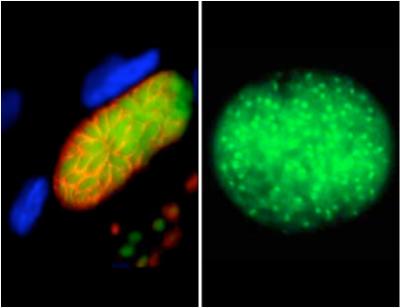
Research – Multicriteria-Based Ranking for Risk Management of Food-Born Parasites

FAO Toxoplasma

Infectious diseases caused by food-borne parasites have not received the same level of attention as other food-borne biological and chemical hazards. Nevertheless, they cause a high burden of disease in humans, may have prolonged, severe, and sometimes fatal outcomes, and result in considerable hardship in terms of food safety, security, quality of life, and negative impacts on livelihoods. The transmission routes for food-borne parasites are diverse. They can be transmitted by ingesting fresh or processed foods that have been contaminated via the environment, by animals or people. Additionally, notification to public health authorities is not compulsory for most parasitic diseases, so official reports do not capture the true prevalence or incidence of the diseases, as much underreporting occurs. This report presents the results of a global ranking of food-borne parasites from a food safety perspective. It also provides an overview of the current status of knowledge of the ranked parasites in food and their public health and trade impact, and provides advice and guidance on the parasite-commodity combinations of particular concern, the issues that need to be addressed by risk managers, and the risk management options available to them. It documents the ranking process used to facilitate its adoption at regional, national, or local levels. This volume and others in this Microbiological Risk Assessment Series contain information that is useful to both risk assessors and risk managers, the Codex Alimentarius Commission, governments and regulatory agencies, food producers and processers and other institutions or individuals with an interest in foodborne parasites and their impact on food safety, public health and livelihoods.