Category Archives: Uncategorized

UK -Swansea University Professor contributes to important research into combating food poisoning from chicken meat

Swansea University Salmonella Campylobacter

Internationally renowned expert on food safety and poultry production at Swansea University,Tom Humphrey, who is Professor of Bacteriology and Food Safety was part of a team of researchers which examined the immune response of broiler chickens to Campylobacter jejuni, the most important food borne pathogen in the EU

The research project was a BBSRC-funded collaborative one, involving the universities of Newcastle, Liverpool and Swansea and a resulting research paper has been published by the Royal Society Open Science journal.

Campylobacter is a serious problem in the western world because it is one of the leading causes of food poisoning. In the UK, it is responsible for an estimated 700,000 cases, over 100 deaths and costs almost £1 billion to the UK economy. Across Europe the numbers just get bigger. Thus, Campylobacter related food poisoning results in a serious public health burden.
USA -Outbreak grows; Garden of Life renames recalled protein powder – Salmonella

Food Safety News

It is out with those Raw Meal Organic Shake & Meal products and in with the “new” shake and meal replacement powders called “Raw Organic Meal.”

They’re certified USDA Organic and NON-GMO Project Verified, according to the Palm Beach Gardens, FL-based Garden of Life LLC, according to a company news release.

The news from Garden of Life about the new name and new labels for the powders came out the same day the Centers for Disease Control and Prevention (CDC) updated details on the multi-state outbreak of Salmonella Virchow infections that since Feb. 2 have been known to be associated with the Florida manufacturer’s Raw Meal shake and meal powders.

USA -Gerber recalls baby food nationwide because of spoilage risk

Food Safety News

A packaging defect that could cause baby food in pouches to spoil spurred Gerber Products Co. to recall four batches of “Organic 2nd Foods” because of safety concerns.

The company is offering consumers coupons to replace the potentially dangerous organic baby food.

“Consumers may notice that, in some cases, the pouches are bloated and product inside may have an off taste or odor,” according to the recall notice on the Food and Drug Administration’s website.

Australia -Recall: Imperial Grain Brown Rice Microwave Cups – Mould

NSW

The NSW Food Authority advises:

Aldi Stores has recalled Imperial Grain Brown Rice Microwave Cups from Aldi stores in NSW, ACT, QLD, VIC and SA due to microbial (mould) contamination. The product should not be consumed.

Details are:

  • Imperial Grain Brown Rice Microwave Cups – 2 plastic cups in a cardboard sleeve, 2 x 125g. Best Before 5 April 2017, 6 April 2017, 9 April 2017, 10 April 2017

Food products contaminated with mould may cause illness if consumed. Any consumers concerned about their health should seek medical advice.

The product can be returned to the place of purchase for a full refund.

For more information contact Aldi Stores (a Limited Partnership) 1800 709 993

www.aldi.com.au

USA -American Gourmet Recalls American Gourmet Roasted/Salted Pistachios Because of Possible Health Risk – Salmonella

FDA

American Gourmet of Vista, CA is recalling American Gourmet Roasted/Salted Pistachios because they may be contaminated with Salmonella. American Gourmet was informed by its Pistachio supplier to initiate a voluntary recall. Salmonella is an organism which can cause serious and sometimes fatal infections in young children, frail or elderly people, and others with weakened immune systems. Healthy persons infected with Salmonella often experience fever, diarrhea (which may be bloody), nausea, vomiting and abdominal pain. In rare circumstances, infection with Salmonella can result in the organism getting into the bloodstream and producing more severe illnesses such as arterial infections (i.e., infected aneurysms), endocarditis and arthritis.

The products, which were distributed in San Diego, Riverside, and San Bernardino counties in the state of California through retail stores and can only be identified by Best by Dates found on the lower bottom panel of the package.

Name: Roasted and Salted Pistachios Roasted and Salted Pistachios Roasted and Salted Pistachios
Size: 2.5 oz 4 oz 7.5 oz
Best By: 11.5.2016 through 1.13.2017 11.5.2016 through 1.13.2017 11.5.2016 through 1.13.2017
UPC Code: 1578600108 1578600135 1578600123

No illnesses have been reported to date.

Consumers should return American Gourmet Roasted/Salted Pistachios with expiration dates from 11.5.16 through 3.13.17 to the retail store purchased from for a full refund. Consumers may contact Maurice at (760)599-0480 between 8am-5pm PST, Monday through Friday.

Canada -Fraser Valley Meats brand lean and extra lean ground beef recalled due to E. coli O103 bacteria

CIFA CIFA

Recall details

Ottawa, March 24, 2016 – Fraser Valley Meats is recalling lean and extra lean ground beef from the marketplace due to E. coli O103 bacteria. Consumers should not consume the recalled products described below.

The following products were sold from Fraser Valley Meats, 7481 Vedder Road, Chilliwack, British Columbia.

Recalled products

Brand Name Common Name Size Code(s) on Product UPC
Fraser Valley Meats Lean Ground Beef Variable “Packed On” dates from MR.05.16 to MR.08.16, inclusive Variable
Fraser Valley Meats Extra Lean Ground Beef 93% Lean Variable “Packed On” dates from MR.05.16 to MR.08.16, inclusive Variable

What you should do

Check to see if you have recalled products in your home. Recalled products should be thrown out or returned to the store where they were purchased.

Food contaminated with pathogenic E. coli may not look or smell spoiled. Consumption of food contaminated with these bacteria may cause serious and potentially life-threatening illnesses. Symptoms include severe abdominal pain and bloody diarrhea. Some people may have seizures or strokes and some may need blood transfusions and kidney dialysis. Others may live with permanent kidney damage. In severe cases of illness, people may die.

If you suspect you have become ill from eating a recalled product, the Canadian Food Inspection Agency (CFIA) recommends contacting your doctor.

Background

This recall was triggered by an investigation by British Columbia Fraser Health. Fraser Health’s Health Alert is published on their website. The CFIA is conducting a food safety investigation, which may lead to the recall of other products. If other high-risk products are recalled, the CFIA will notify the public through updated Food Recall Warnings.

Illnesses

There have been no reported illnesses associated with the consumption of these products.

Research -Shiga Toxin–Producing Escherichia coli O157, England and Wales, 1983–2012

CDC

We evaluated clinical Shiga toxin–producing Escherichia coli O157 infections in England and Wales during 1983–2012 to describe changes in microbiological and surveillance methods. A strain replacement event was captured; phage type (PT) 2 decreased to account for just 3% of cases by 2012, whereas PT8 and PT21/28 strains concurrently emerged, constituting almost two thirds of cases by 2012. Despite interventions to control and reduce transmission, incidence remained constant. However, sources of infection changed over time; outbreaks caused by contaminated meat and milk declined, suggesting that interventions aimed at reducing meat cross-contamination were effective. Petting farm and school and nursery outbreaks increased, suggesting the emergence of other modes of transmission and potentially contributing to the sustained incidence over time. Studies assessing interventions and consideration of policies and guidance should be undertaken to reduce Shiga toxin–producing E. coli O157 infections in England and Wales in line with the latest epidemiologic findings.

USA -Shuttered Henry’s Farm Recalls Sprouts for Listeria Contamination

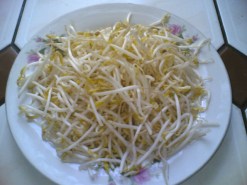
Food Poisoning Bulletin Bean-sprouts

The Virginia Department of Agriculture and Consumer Services has posted a recall for Henry’s Farm’s soybean sprouts for possible Listeria monocytogenes contamination. That facility was closed by the federal government on March 3, 2016 for unsanitary conditions. In fact, there have been recalls of Henry’s Farm sprouts for Listeria contamination in 2012, 2014, and 2015 and a warning letter sent to the facility in 2012.

UK – CIEH -CIEH to examine food hygiene practices in the home

New Food Magazine

The Chartered Institute of Environmental Health (CIEH) has been commissioned by the Food Standards Agency (FSA) to undertake a review to establish the proportion of UK foodborne disease associated with food preparation and practices in the home.

CIEH will seek to discover how the number of cases of foodborne disease caused by faults in the home compares with those caused by eating food prepared and consumed outside, such as from restaurants and takeaway premises.

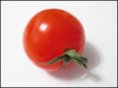
Research -Influence of Epicuticular Physicochemical Properties on Porcine Rotavirus Adsorption to 24 Leafy Green Vegetables and Tomatoes

PLOS ONE cherry-tomato-pristine-variety

Foodborne diseases are a persistent problem in the United States and worldwide. Fresh produce, especially those used as raw foods like salad vegetables, can be contaminated, causing illness. In this study, we determined the number of rotaviruses adsorbed on produce surfaces using group A porcine rotaviruses and 24 cultivars of leafy vegetables and tomato fruits. We also characterized the physicochemical properties of each produce’s outermost surface layer, known as the epicuticle. The number of rotaviruses found on produce surfaces varied among cultivars. Three-dimensional crystalline wax structures on the epicuticular surfaces were found to significantly contribute to the inhibition of viral adsorption to the produce surfaces (p = 0.01). We found significant negative correlations between the number of rotaviruses adsorbed on the epicuticular surfaces and the concentrations of alkanes, fatty acids, and total waxes on the epicuticular surfaces. Partial least square model fitting results suggest that alkanes, ketones, fatty acids, alcohols, contact angle and surface roughness together can explain 60% of the variation in viral adsorption. The results suggest that various fresh produce surface properties need to be collectively considered for efficient sanitation treatments. Up to 10.8% of the originally applied rotaviruses were found on the produce surfaces after three washing treatments, suggesting a potential public health concern regarding rotavirus contamination.