Category Archives: Uncategorized

Research -Effect of Simulated Sanitizer Carryover on Recovery of Salmonella from Broiler Carcass Rinsates

Ingenta Connect imagesCAYZ5I84

Abstract:

Numerous antimicrobial chemicals are currently utilized as processing aids with the aim of reducing pathogenic bacteria on processed poultry carcasses. Carryover of active sanitizer to a carcass rinse solution intended for recovery of viable pathogenic bacteria by regulatory agencies may cause false-negative results. This study was conducted to document the potential carryover effect of five sanitizing chemicals commonly used as poultry processing aids for broilers in a postchill dip. The effect of postdip drip time on the volume of sanitizer solution carryover was first determined by regression of data obtained from 10 carcasses. The five sanitizer solutions were diluted with buffered peptone water at 0-, 1-, and 5-min drip time equivalent volumes as determined by the regression analysis. These solutions were then spiked to 105 CFU/ml with a mixture of five nalidixic acid-resistant Salmonella enterica serovars, stored at 4°C for 24 h, and finally enumerated by plate count on brilliant green sulfa agar containing nalidixic acid. At the 0- and 1-min drip time equivalents, no Salmonella recovery was observed in three of the five sanitizers studied. At the 5-min drip time equivalent, one of these sanitizers still exhibited significant (P ≤ 0.05) bactericidal activity. These findings potentially indicate that the currently utilized protocol for the recovery of Salmonella bacteria from postchill sanitizer interventions may lead to false-negative results due to sanitizer carryover into the carcass rinsate.

Research -Effect of Deep-Frying or Conventional Oven Cooking on Thermal Inactivation of Shiga Toxin–Producing Cells of Escherichia coli in Meatballs

Ingenta Connect

Abstract:

We investigated the effects of deep-frying or oven cooking on inactivation of Shiga toxin–producing cells of Escherichia coli (STEC) in meatballs. Finely ground veal and/or a finely ground beef-pork-veal mixture were inoculated (ca. 6.5 log CFU/g) with an eight-strain, genetically marked cocktail of rifampin-resistant STEC strains (STEC-8; O111:H, O45:H2, O103:H2, O104:H4, O121:H19, O145:NM, O26:H11, and O157:H7). Inoculated meat was mixed with liquid whole eggs and seasoned bread crumbs, shaped by hand into 40-g balls, and stored at −20°C (i.e., frozen) or at 4°C (i.e., fresh) for up to 18 h. Meatballs were deep-fried (canola oil) or baked (convection oven) for up to 9 or 20 min at 176.7°C (350°F), respectively. Cooked and uncooked samples were homogenized and plated onto sorbitol MacConkey agar with rifampin (100 μg/ml) followed by incubation of plates at 37°C for ca. 24 h. Up to four trials and three replications for each treatment for each trial were conducted. Deep-frying fresh meatballs for up to 5.5 min or frozen meatballs for up to 9.0 min resulted in reductions of STEC-8 ranging from ca. 0.7 to ≥6.1 log CFU/g. Likewise, reductions of ca. 0.7 to ≥6.1 log CFU/g were observed for frozen and fresh meatballs that were oven cooked for 7.5 to 20 min. This work provides new information on the effect of prior storage temperature (refrigerated or frozen), as well as subsequent cooking via deep-frying or baking, on inactivation of STEC-8 in meatballs prepared with beef, pork, and/or veal. These results will help establish guidelines and best practices for cooking raw meatballs at both food service establishments and in the home.

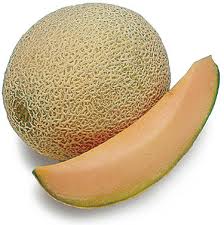
Research – Capacity of Listeria monocytogenes Strains from the 2011 Cantaloupe Outbreak To Adhere, Survive, and Grow on Cantaloupe

Ingenta Connect catalopue

Abstract:

The 2011 listeriosis outbreak attributed to whole cantaloupe involved several genetically distinct strains of serotypes 1/2a and 1/2b that had not been previously reported in invasive listeriosis outbreaks. Here we investigated the potential of strains from the 2011 cantaloupe outbreak to adhere, survive, and grow on cantaloupe rind and flesh and in juice extracted from cantaloupe at different temperatures (4, 8, and 25°C). All strains were able to adhere and grow, with ∼10-fold increases after 7 days at 4 or 8°C and after 24 h at 25°C, with a propensity for more growth on rind than on flesh or in extract. No significant differences in growth potential were noted among the different strains or between them and unrelated strains from other listeriosis outbreaks involving celery, deli meats, or hot dogs. Similarly to the cantaloupe outbreak strains, these other strains exhibited greater propensity for growth on rind than on flesh or in extract. Rinsing of cantaloupe fragments in sterile water resulted in temporary reductions of the populations by 50- to 100-fold, suggesting the potential of such washing to reduce risk if the produce is promptly consumed. The absence of marked differences in adherence or growth between the cantaloupe outbreak strains and strains from other outbreaks highlights the need to further characterize the 2011 cantaloupe outbreak strains and elucidate potential biological attributes that contributed to their implication in the outbreak.


Canada -All Asia Fresh brand rice and noodle bowls recalled due to Listeria monocytogenes

CFIA

Ottawa, May 10, 2016 – All Asia Fresh Foods Inc. is recalling rice and noodle bowls from the marketplace due to possible Listeria monocytogenes contamination. Consumers should not consume the recalled products described below.

Recalled products

Brand Name Common Name Size Code(s) on Product UPC
All Asia Fresh Ginger Beef with Fried Rice and Noodles 500 g Best Before MA 10 to MA 14 inclusive 8 51922 00079 7
All Asia Fresh Ginger Beef with Fried Rice and Noodles 305 g Best Before MA 10 to MA 14 inclusive 6 27887 00010 9
All Asia Fresh Sweet and Sour Pork with Fried Rice 500 g Best Before MA 10 to MA 14 inclusive 8 51922 00083 4
All Asia Fresh Sesame Chicken with Fried Rice and Noodles 450 g Best Before MA 10 to MA 14 inclusive 6 27887 00004 8

USA -Recall on Kale & Edamame Salad Due to Possible Health Risk – Salmonella

FDA

WCD Kitchen, LLC of Fontana, California is voluntarily recalling Trader Joe’s Kale & Edamame Salad (UPC 00967112), sold only in the Midwest, with a “USE BY May 05, 2016 through May 14, 2016”, because the product may be contaminated with Salmonella.  No illnesses have been reported to date.

Salmonella is an organism that can cause serious and sometimes fatal infections in young children, frail or elderly people, and others with weakened immune systems. Healthy persons infected with Salmonella often experience fever, diarrhea (which may be bloody), nausea, vomiting and abdominal pain. In rare circumstances, infection with Salmonella can result in the organism getting into the bloodstream and producing more severe illnesses such as arterial infections (i.e., infected aneurysms), endocarditis and arthritis.

The 3,763 salads possibly affected were distributed to Trader Joe’s stores located in Illinois, Indiana, Iowa, Kansas, Kentucky, Michigan, Minnesota, Missouri, Nebraska, Ohio and Wisconsin.  No other lots, products or stores are affected.

The salad is packaged in 10 oz. plastic clamshell and the “Use By” Date is stickered on the front of the label. See photos below.

The voluntary recall was initiated by WCD Kitchen, LLC immediately after it was informed by the Kale supplier, Pearson Foods Corporation, that the Kale tested positive for the food-borne illness.

USA – Listeria , Listeria Everywhere!

FDA Eurofins Food Testing UK

The Kroger Co.(NYSE: KR) said today it is recalling Simple Truth Organic Mixed Vegetables because a supplier indicated the product may be contaminated with Listeria monocytogenes, an organism which could result in severe illness to those individuals who may consume this product.  No customer illnesses have been reported to date.

FDA

Rucker’s Makin’ Batch Candies, Inc. of Bridgeport, IL is voluntarily recalling the specific code dates listed below of Dollywood Sweet & Salty Trail Mix cello bag, due to the potential presence of Listeria Monocytogenes. Listeria monocytogenes is an organism which can cause serious and sometimes fatal infections in young children, frail or elderly people, and others with weakened immune systems. Although, healthy individuals may suffer only short-term symptoms, such as high fever, severe headache, stiffness, nausea, abdominal pain and diarrhea. Listeria infection can cause miscarriages and stillbirths among pregnant women.

The affected product is packaged in an 11 oz. clear bag with Dollywood Theme Park label, UPC 490000503272. This only affects packages with best by codes 11-22-16 and 1-6-17. The product is distributed at Dollywood Theme Park in Pigeon Forge, TN.

Please note, no illnesses have been reported to date.


USA -Millville Protein Chewy Bars Recalled for Possible Listeria

Food Poisoning Bulletin

Schulze and Burch Biscuit Company is voluntarily recalling Millville Protein Chewy Bars because they may be contaminated with Listeria monocytogenes bacteria. They were sold nationwide through Aldi stores. These products contain sunflower seeds that were recalled.

You can see the details about the recalled products at the FDA web site, along with UPC numbers, product description, and best by dates. They include Peanut, Dark Chocolate and Almond Bars and Peanut Butter Dark Chocolate Bars. There is zero tolerance for Listeria contamination in ready to eat products.

USA -Publix Recalls Wheatberry Salads for Listeria Monocytogenes

Food Poisoning Bulletin

Publix is recalling their Wheatberry Salad because it contains sunflower seeds that may be contaminated with Listeria monocytogenes. This is a secondary recall, associated with a larger recall of a distributor’s product. No illnesses have been reported to date in connection with the consumption of this product.

The Wheatberry Salad was available in all Publix locations in Alabama, Florida, Georgia, North Carolina, South Carolina, and Tennessee. The product is no longer available in stores, but some people may have it in their homes.

If you purchased this product, do not eat it. Throw it away in a sealed container so other people and animals can’t eat it, or return it to the place of purchase for a refund. Wash your hands well after handling this product.

Clean out your refrigerator or freezer, or wherever the product was stored, with a mild bleach solution to kill any remaining bacteria. Listeria monocytogenes bacteria can grow at refrigerator temperatures.

USA – Frontier Co-op Initiates Voluntary Recall of Organic Hojicha Tea Due to Possible Health Risk – Salmonella

FDA

Frontier Co-op is voluntarily recalling its Organic Hojicha Tea due to potential to be contaminated with Salmonella, an organism which can cause serious and sometimes fatal infections in young children, frail or elderly people, and others with weakened immune systems. Healthy persons infected with Salmonella often experience fever, diarrhea (which may be bloody), nausea, vomiting and abdominal pain. In rare circumstances, infection with Salmonella can result in the organism getting into the bloodstream and producing more severe illnesses such as arterial infections (i.e., infected aneurysms), endocarditis and arthritis.

To date, no illnesses have been associated with these products.


USA -Garland Ventures Ltd Recalls Poultry Products Due to Possible Listeria Contamination

FSIS

Garland Ventures LTD, a Garland, Texas establishment, is recalling approximately 114,870 pounds of chicken fried rice  products that may be adulterated with Listeria monocytogenes, the U.S. Department of Agriculture’s Food Safety and Inspection Service (FSIS) announced today.

The heat-treated, not fully cooked, not shelf stable chicken fried rice products were produced on various dates between Sept. 24, 2015 and Mar. 23, 2016. The following products are subject to recall: [View Label (PDF only)]

  • 20 oz. pail boxes containing AllFresh Foods “ANJOY Chicken Fried Rice.”

Case Codes associated with the “ANJOY Chicken Fried Rice” product are as follows: 092415, 092915, 100215, 101325, 101615, 102015, 102715, 110315, 110615 and 032316.

The products subject to recall bear establishment number “P-31993” inside the USDA mark of inspection. These items were shipped to retail distributor locations in Colorado, Georgia, Missouri, and Utah.

The problem was discovered when Garland Ventures LTD was notified by their supplier of vegetable fried rice, Ajinomoto Windsor Inc., that frozen foods involved in CRF Frozen Foods’ recall were incorporated in their products. CRF Frozen Foods of Pasco, Washington voluntarily recalled frozen vegetable items due to an illness outbreak of listeriosis.  There have been no confirmed reports of illness or adverse reactions due to consumption of Garland Ventures’ products.

The CRF Frozen Foods’ recall can be found at http://www.fda.gov/Safety/Recalls/ucm498841.htm.