Category Archives: Uncategorized

Research -Histamine and microbiological changes during storage of semi-preserved anchovies

African Journal of Microbiology Histamine3d
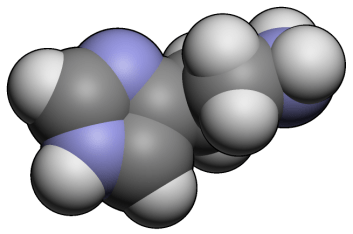
During the various stages of manufacture of semi-preserved anchovies, histamine shows a significant increase favored by the fragility of anchovies and wealth histidine, an amino acid precursor of histamine. The decarboxylation of histidine is present as a major problem in the industry of semi-preserved anchovies, especially during the ripening step. The objective of this work is to monitor the levels of alteration in a final product subjected to aging by incubation at 30°C ± 1. Accumulation of histamine, as well as microbial population in semi preserved anchovies were investigated. Enterobacteriaceae and Lactobacilli do not seem to resist to the salt applied to the product. They disappear within one month of storage. A total of 665 bacterial strains were selected from the prescreening step using various selective media. Only 20.6% of these selected isolates showed a positive reaction in Niven’s differential medium, and 31.4% of the positive isolates were true histamine formers when confirmed by thin layer chromatographie. The values of histamine remain in close contact with the sanitary measures taken by each company. Regular monitoring and mastering of good practices are necessary for a good quality product.
Research -Towards a consensus on genotyping schemes for surveillance and outbreak investigations of Cryptosporidium, Berlin, June 2016

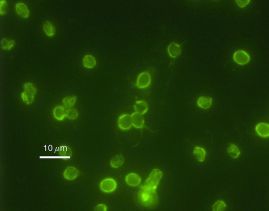
Eurosurveillance 763px-Cryptosporidium_parvum_01

This report outlines the evidence and main conclusions presented at an expert workshop on Cryptosporidium genotyping held on 16 and 17 June 2016, hosted by the Robert Koch Institute, Berlin, and funded by EU COST Action FA1408 “A European Network for Foodborne Parasites: Euro-FBP” (http://www.euro-fbp.org).

The consultation brought together 23 scientists and experts in public and animal health from 12 European countries and the United States (US) to discuss how Cryptosporidium spp. surveillance and outbreak investigations could benefit from a harmonised approach to intra-species differentiation of the two main human pathogens, C. parvum and C. hominis. These are major zoonotic and anthroponotic causes of gastroenteritis, respectively. There is currently no standardised genotyping scheme for these protozoan parasites.

The workshop was organised in two parts: firstly, specialists described the current state of knowledge and need, and secondly, four working groups considered different aspects of the development, implementation and maintenance of Cryptosporidium genotyping schemes

Taiwan -Toufen shop shut, fined after food poisoning cases – Salmonella

Taipai Times

A 15-year-old shop selling roast duck in Miaoli County’s Toufen Township (頭份) has been fined and temporarily shut after more than 140 people fell ill last week after consuming duck bought from the shop.

The Miaoli County Public Health Bureau said that more than 140 people visited local hospitals after developing symptoms of food poisoning, including vomiting, diarrhea or a fever, after consuming roast duck bought from the store on Sept. 10 and last week.

The hospital where some of the people were hospitalized found salmonella bacteria in their stool samples and reported the cases to the health bureau.

Research -Minimal processing of iceberg lettuce has no substantial influence on the survival, attachment and internalization of E. coli O157 and Salmonella

Science Direct

16875_lores

CDC Photo Salmonella


The influence of a selection of minimal processing techniques (sanitizing wash prior to packaging, modified atmosphere, storage conditions under light or in the dark) was investigated in relation to the survival of, attachment to and internalization of enteric pathogens in fresh produce. Cut Iceberg lettuce was chosen as a model for fresh produce, Escherichia coli O157:H7 (E. coli O157) and Salmonella enterica were chosen as pathogen models. Care was taken to simulate industrial post-harvest processing. A total of 50 ± 0.1 g of fresh-cut Iceberg lettuce was packed in bags under near ambient atmospheric air with approximately 21% O2 (NAA) conditions or equilibrium modified atmosphere with 3% O2 (EMAP). Two lettuce pieces inoculated with E. coli O157 BRMSID 188 or Salmonella Typhimurium labeled with green fluorescent protein (GFP) were added to each package. The bags with cut lettuce were stored under either dark or light conditions for 2 days at 7 °C. The pathogens’ capacity to attach to the lettuce surface and cut edge was evaluated 2 days after inoculation using conventional plating technique and the internalization of the bacteria was investigated and quantified using confocal microscopy. The effect of a sanitizing wash step (40 mg/L NaClO or 40 mg/L peracetic acid + 1143 mg/L lactic acid) of the cut lettuce prior to packaging was evaluated as well. Our results indicate that both pathogens behaved similarly under the investigated conditions. Pathogen growth was not observed, nor was there any substantial influence of the investigated atmospheric conditions or light/dark storage conditions on their attachment/internalization. The pathogens attached to and internalized via cut edges and wounds, from which they were able to penetrate into the parenchyma. Internalization through the stomata into the parenchyma was not observed, although some bacteria were found in the substomatal cavity. Washing the cut edges with sanitizing agents to reduce enteric pathogen numbers was not more effective than a rinse with precooled tap water prior to packaging. Our results confirm that cut surfaces are the main risk for postharvest attachment and internalization of E. coli O157 and Salmonella during minimal processing and that storage and packaging conditions have no important effect.

USA -Matador E. coli Outbreak Linked to Illnesses in Washington, Colorado, Idaho and New York

Food Poisoning Bulletin


UK – Information -FSA Chief Scientific Adviser outlines the challenges of Antimicrobial Resistance

FSA

Professor Guy Poppy, the FSA’s Chief Scientific Adviser, published the latest edition of his Science Report today. It examines the science behind antimicrobial resistance, or AMR, and presents the latest findings around the role that food plays in the problem.

The report is published as the President of the UN General Assembly convenes a one-day high-level meeting at the UN Headquarters in New York to discuss AMR.

Professor Poppy says: ‘Antimicrobial resistance means that it’s harder, or impossible, to treat an increasing range of infections. It has been estimated that by 2050 it could be causing the deaths of 10 million people a year across the world, not to mention 100 trillion US dollars in cumulative lost economic output.

‘The FSA works to protect consumer interests in relation to food, so the role that food plays in the problem of antimicrobial resistance is of concern. While the problem cannot be eliminated, its development can be slowed. We need a holistic approach throughout the food supply chain, and to understand how a whole range of practices, such as how we care for farm animals, handle food or irrigate crops, might affect the spread of antimicrobial resistance to our food, and ultimately to us.’

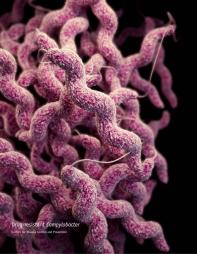
Research -A Comparative Exposure Assessment of Campylobacter in Ontario, Canada

Wiley Online Library

campy2

CDC Photo Campylobacter


To inform source attribution efforts, a comparative exposure assessment was developed to estimate the relative exposure to Campylobacter, the leading bacterial gastrointestinal disease in Canada, for 13 different transmission routes within Ontario, Canada, during the summer. Exposure was quantified with stochastic models at the population level, which incorporated measures of frequency, quantity ingested, prevalence, and concentration, using data from FoodNet Canada surveillance, the peer-reviewed and gray literature, other Ontario data, and data that were specifically collected for this study. Models were run with @Risk software using Monte Carlo simulations. The mean number of cells of Campylobacter ingested per Ontarian per day during the summer, ranked from highest to lowest is as follows: household pets, chicken, living on a farm, raw milk, visiting a farm, recreational water, beef, drinking water, pork, vegetables, seafood, petting zoos, and fruits. The study results identify knowledge gaps for some transmission routes, and indicate that some transmission routes for Campylobacter are underestimated in the current literature, such as household pets and raw milk. Many data gaps were identified for future data collection consideration, especially for the concentration of Campylobacter in all transmission routes.

Research -Survival of foodborne pathogens (Escherichia coli O157:H7, Salmonella Typhimurium, Staphylococcus aureus, Listeria monocytogenes, and Vibrio parahaemolyticus) in raw ready-to-eat crab marinated in soy sauce

Science Direct

staphy

CDC Photo


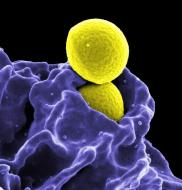
Knowing the survival characteristics of foodborne pathogens in raw ready-to-eat (RTE) seafood is the key to predicting whether they pose a microbiological hazard. The present study examined the survival of Escherichia coli O157:H7, Salmonella Typhimurium, Vibrio parahaemoliticus, Listeria monocytogenes, and Staphylococcus aureus in raw RTE crab marinated in soy sauce. Inoculated crabs (initial bacterial population = 4.1–4.4 log CFU/g) were immersed in soy sauce and then stored at refrigeration (5 °C) or room temperature (22 °C) for up to 28 days. At 5 °C, all bacteria (except V. parahaemolyticus) survived in crab samples until Day 28 (counts of 1.4, 1.6, 3.1, 3.2 log CFU/g for E. coli O157:H7, S. Typhimurium, L. monocytogenes, and S. aureus, respectively). However, at 22 °C, all tested bacteria were more susceptible to the antimicrobial effects of marination. Regardless of temperature, foodborne pathogens attached to crab samples were more resistant to marination than those suspended in soy sauce samples; however, the survival pattern for each species was different. Gram-positive bacteria were most resistant to marination conditions (high salinity, low pH), whereas V. parahaemolyticus was extremely susceptible. Marination is the only antibacterial step in the manufacturing processes; however, the results presented herein reveal that this is not sufficient to inactivate foodborne pathogens. In particular, the survival of pathogens on crabs at refrigeration temperature may pose a major hazard for the consumption of raw RTE seafood. Thus, appropriate decontamination methods and implementation of safety management practices are needed. This study provides predictive microbiological information of foodborne pathogens in raw RTE seafood with marination.

Research -Mexican unpasteurised fresh cheeses are contaminated with Salmonella spp., non-O157 Shiga toxin producing Escherichia coli and potential uropathogenic E. coli strains: A public health risk

Science Direct

Entero

CDC Photo


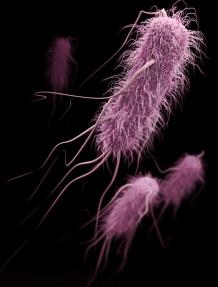
Fresh cheeses are a main garnish of Mexican food. Consumption of artisanal fresh cheeses is very common and most of them are made from unpasteurised cow milk. A total of 52 fresh unpasteurised cheeses of five different types were purchased from a variety of suppliers from Tabasco, Mexico. Using the most probable number method, 67% and 63% of samples were positive for faecal coliforms and E. coli, respectively; revealing their low microbiological quality. General hygienic conditions and practices of traditional cheese manufacturers were poor; most establishments had unclean cement floors, all lacked windows and doors screens, and none of the food-handlers wore aprons, surgical masks or bouffant caps. After analysing all E. coli isolates (121 strains) for the presence of 26 virulence genes, results showed that 9 (17%) samples were contaminated with diarrheagenic E. coli strains, 8 harboured non-O157 Shiga toxin producing E. coli (STEC), and one sample contained both STEC and diffusely adherent E. coli strains. All STEC strains carried the stx1 gene. Potential uropathogenic E. coli (UPEC) strains were isolated from 15 (29%) samples; the most frequent gene combination was fimA-agn43. Two samples were contaminated with Salmonella. The results demonstrated that unpasteurised fresh cheeses produced in Tabasco are of poor microbiological quality and may frequently harbour foodborne pathogens. Food safety authorities in Mexico need to conduct more rigorous surveillance of fresh cheeses. Furthermore, simple and inexpensive measures as establishing programs emphasizing good hand milking practices and hygienic manufacturing procedures may have a major effect on improving the microbiological quality of these food items.

USA -Apple Tree Goat Dairy Recalls Four Goat Cheeses Because of Possible Health Risk – Listeria monocytogenes

FDA

Apple Tree Goat Dairy of Richfield, PA is recalling Feta cheese aged 60 days lot #836, Gouda Cheese aged 60 days Lot #426 Pasturized chevre Lot #816, in 5 lb. or 8 oz. and French Herb Chevre Lot #736 in 8 oz. Or 5 lb. because it has the potential to be contaminated with Listeria monocytogenes, an organism which can cause serious and sometimes fatal infections in young children, frail or elderly people, and others with weakened immune systems. Although healthy individuals may suffer only short-term symptoms such as high fever, severe headache, stiffness, nausea, abdominal pain and diarrhea, Listeria infection can cause miscarriages and stillbirths among pregnant women.

Product may have been distributed in Washington DC, New Jersey, Delaware, Maryland, and Virginia thru Lancaster co-op.

The Chevre lot #816 was in 8 oz. shrink wrapped bags, French herb chevre lot #736 was packaged in 8oz. Shrink bag. Both Chevre may also have been in 5 lb. plastic tubs. The Feta lot #836 with expiration 12/16 and Gouda lot 426 was a square block 8oz package or a 5 lb block, also shrink wrapped.

No illnesses have been reported to date.

The recall was the result of a routine sampling program by Pennsylvania Department of Agriculture. The samples collected by Pennsylvania were found to be contaminated with Listeria Monocytogenes. We are currently working with PA Department of Agriculture to resolve the issue.

Customers who have purchased this product are urged not to consume it, and to contact the place of purchase for a full refund. Consumers with questions may contact the Apple Tree Goat Dairy at 717-694-0146 Monday thru Friday 8:00am to 5:00pm EST. if no answer, please leave a message and we will return your call as soon as possible.