Category Archives: Uncategorized

UK – Scotland -FAFA-02-2016 (Update 3) – Errington Cheese Ltd

Food Standards Scotland

This FAFA updates FAFA-02-2016 (as previously updated) in respect of:

  1. The results of local authority samples; and
  2. Action to be taken by local authorities.

Results of samples:

Shiga toxin producing E. coli (STEC) has been detected in batches of Dunsyre Blue (F15) and Lanark Blue (E24) cheese produced by Errington Cheese Ltd.  STEC are known to cause severe illness in humans.  A stx gene negative strain of E. coli O157  has been isolated from three batches (G14, H3 and H24) of Lanark White ewes’ milk cheese.  Stx gene negative strains of E. coli O157 have been isolated from cases of human illness consistent with E. coli O157 infection. The Food Examiner declared these samples of Lanark White cheese to be “potentially injurious to health and/or unfit for human consumption”.

In view of the nature of these results and the range of products affected, the products listed in table 1 below, are regarded as a risk to health.

These products are known to be supplied by Errington Cheese Ltd.  Errington cheeses are known to have been supplied to wholesalers who in turn supply to retail and catering establishments.  These products are mainly provided to specialist cheese shops, delicatessens, hotels and restaurants.

Action by Local Authorities

Local Authorities are requested to identify food businesses which are likely or known to stock products subject to this FAFA and to take steps to ensure they are withdrawn from sale.  Local authorities should ensure that this withdrawal is effective and that the products to which it applies are not placed on the market, if necessary using powers available to them under the Food Safety Act 1990, the General Food Regulations 2004, and the Food Hygiene (Scotland) Regulations 2006.

Products subject to this FAFA 

This FAFA continues to apply to cheese produced by Errington Cheese Ltd and identified as follows:

TABLE 1

Brand Name

Batch Code

Pack Size

Durability Dates

Lanark Blue

All Batches

All Pack Sizes

Unknown

Lanark White

All Batches

All Pack Sizes

Unknown

Dunsyre Blue

All Batches

All Pack Sizes

Unknown

Dunsyre Baby

All Batches

All Pack Sizes

Unknown

Maisie’s Kebbuck

All Batches

All Pack Sizes

Unknown

Corra Linn

All Batches

All Pack Sizes

Unknown

Sir Lancelot

All Batches

All Pack Sizes

Unknown

These products would have been purchased up until Thursday 15th September 2016.

USA – FDA finds Listeria in California fresh fruit processing facility

Food Safety News

Listeria monocytogenes has been found in three of 100 environmental samples and in one product sample taken this past spring at a fresh fruit processing facility in Vernon, CA.

The samples were collected by U.S. Food and Drug Administration inspectors who visited the Simply Fresh Fruit Inc. plant in April and May, and Whole Genome Sequencing analysis determined the four isolates to be the same strain of Listeria.

According to a warning letter dated Oct. 19 and sent from FDA’s Los Angeles District Office to William T. Sander, company president, two of the positive environmental swabs were collected in areas adjacent to food contact surfaces.

Research -Determination of virulence and antibiotic resistance pattern of biofilm producing Listeria species isolated from retail raw milk

Bio Med Central

One of the foodborne pathogens is Listeria monocytogenes, which causes serious invasive illness in elderly and immunocompromised patients, pregnant women, newborns and infants ranking second after salmonellosis because of its high case fatality rate. Listerial cow mastitis marked by abnormal milk, increased cell counts and reduced production has not been reported. Therefore, apparently healthy cows can be reservoirs of L. monocytogenes. A number of 203 udder milk samples from apparently healthy animals (buffalo, n = 100; cow, n = 103) were collected and tested for Listeria. Isolated colonies on the PALCAM agar were Listeria species confirmed according to their biochemical and the Christie–Atkins–Munch-Petersen (CAMP) reactions. The Listeria species pathogenicity of was tested by phosphatidylinositol-specific phospholipase C, DL-alanine-β-naphthylamide HCl, Dalanine-p-nitroanilide tests, chick embryo, mice inoculation tests, Vero cell cytotoxicity and biofilm formation. The virulence-associated genes, hlyA, plcB, actA and iap associated with Listeria were molecularly assayed.

Results

The 17 isolated Listeria spp. represented a prevalence rate of 8.4 %. Of these 3 (1.4 %), 2 (1 %), 5 (2.5 %), 4 (2 %) and 3 (1.5 %) were confirmed as L. monocytogenes, L. innocua, L. welshimeri, L. seelegeri, respectively. While the L. monocytogenes isolate displayed all the four virulence-associated genes, L. seelegeri carried the hlyA gene only. The L. monocytogenes had a strong in vitro affinity to form a biofilm, in particular serotype 4 which is associated with human infections. L. monocytogenes showed resistance for 9/27 antibiotics.

Conclusions

The biofilm forming capability of the Listeria spps. makes them particularly successful in colonizing surfaces within the host thus being responsible for persistence infections and due to their antimicrobial resistant phenotype that this structure confers. In addition, strains belonging to serotypes associated with human infections and characterized by pathogenic potential (serotype 4) are capable to persist within the processing plants forming biofilm and thus being a medical hazard.

Canada -Charcuterie Parisienne brand cured meats recalled due to Listeria monocytogenes

CFIA CIFA

Ottawa, November 8, 2016 – Charcuterie Parisienne is recalling Charcuterie Parisiennebrand cured meats from the marketplace due to possible Listeria monocytogenes contamination. Consumers should not consume the recalled products described below.

Recalled products

Brand Name Common Name Size Code(s) on Product UPC
Charcuterie Parisienne Le trio de charcuteries Champêtre 150 g Best before 16 DE 12 and
16 DE 14
8 72863 00760 7
Charcuterie Parisienne Le trio de charcuteries Parisien 150 g Best before 16 DE 13 and
16 DE 20
8 72863 00761 4
Charcuterie Parisienne Cooked White Ham Variable (approximately 350 g) Best before 16 DE 05 None
Charcuterie Parisienne Rindless Slab Bacon Variable (approximately 200 g) Best before 16 DE 14 None

Research -Effect of gamma irradiation (Co60) in the control of Campylobacter sp. in chilled chicken (Gallus gallus) heart

African Journal of Microbiology

The present study aimed to evaluate the efficiency of the irradiation process in the control of Campylobacter spp. in chilled chicken heart samples, since this microorganism is related to the contamination of meat and chicken giblets and is responsible for enteritis in humans. The methodology and standards recommended by RDC no. 12 (Brazil, 2001) were applied for the bacteriological analyses. The chilled chicken heart samples were acquired in an industry that undergoes sanitary inspection, located in the West Zone of Rio de Janeiro. Samples were divided into two groups, non-contaminated (NC – originally from the industrial plant) and contaminated (CAMPY– contaminated with C. jejuni ATCC 33291/CCAMP/FIOCRUZ 00262 strains by CCAMP/LABZOO/IOC/FIOCRUZ), subsequently separated into four groups: NC and CAMPY control groups and samples irradiated at 1.5, 3.0 and 4.5 kGy. The eight subgroups were analyzed for the presence of Campylobacter sp. No statistically significant difference was observed between the four groups namely the non-irradiated controls and the 1.5, 3.0 and 4.5 kGy irradiated samples (p> 0.05). Elimination of Campylobacter sp. was observed, with no bacterial growth in any of the irradiated, non-contaminated (CN) and infected (CAMPY) samples. Thus, the efficiency of the Co60 irradiation process of chilled chicken heart for the elimination of the surveyed microorganisms was proven. The lowest dose applied was sufficient to eliminate the enteric pathogen which is of great significance in a public health point of view. However, it should be noted that the Brazil legislation determining the microbiological standards for food does not include a microbiological standard for Campylobacter sp. This means that any amount of this enteric pathogen may bring public health risks.

USA – Salmonella outbreak in Hawaii linked to seaweed in raw fish

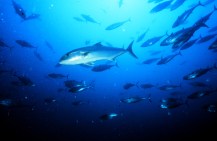
Food Safety News Seriola_dumerili

More than two dozen people in Hawaii have been infected by Salmonella bacteria in an outbreak that is tentatively linked to seaweed from an unnamed farm on Oahu.

The 14 infected people include children and adults, with four victims have such severe symptoms that they required hospitalization, according to the Hawaii Department of Health.

Brazil – The importance of microbiology in the fish chain and its impacts on food safety: interview Dr. Edivaldo Sampaio, Federal University of Mato Grosso

Food Safety Brazil – Portuguese

Food Safety Brazil – English

Today, Food Safety Brazil will discuss a topic of great relevance in the chain of fish in what concerns the aspects of quality and safety of food to be considered along this complex chain, mainly in view of the high perishability of these foods, both when used as raw material, But mainly as final product, marketed as fresh.

In order to discuss the importance of microbiology in fish, we interviewed Dr. Edivaldo Sampaio, a Veterinarian from the Federal Rural University of Amazonia (UFRA), a specialist in Veterinary Medicine from the State University of São Paulo (UNESP). Universidade Federal Fluminense (UFF), and currently a professor at the Federal University of Mato Grosso, teaches technology disciplines and inspection of animal products for graduation, as well as food microbiology, hygiene and fish technology in postgraduate studies, Being responsible for the Laboratory of Hygiene and Technology of Fish and Nucleus of Studies in Fish.


Canada -Food Recall Warning – Original Brock St. Brewing Company brand Blonde Beer recalled due to swelling and bursting cans

CFIA CIFA

Recall details

Ottawa, November 7, 2016 – The Liquor Control Board of Ontario (LCBO) is recalling Original Brock St. Brewing Company brand Blonde Beer from the marketplace due to swelling and bursting cans. Consumers should not consume the recalled product described below.

Recalled products

Brand Name Common Name Size Code(s) on Product UPC
Original Brock St. Brewing Company Blonde Beer 473 mL BA-290816-22
BA-170816-21
BA-080816-20
BA-020816-19
6 28451 66019 4


Research -Clostridium difficile Infection in Production Animals and Avian Species: A Review

Mary Ann Leibert closta

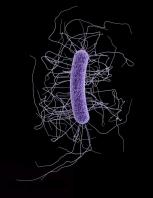
Clostridium difficile is the leading cause of antibiotic-associated diarrhea and colitis in hospitalized humans. Recently, C. difficile infection (CDI) has been increasingly recognized as a cause of neonatal enteritis in food animals such as pigs, resulting in stunted growth, delays in weaning, and mortality, as well as colitis in large birds such as ostriches. C. difficile is a strictly anaerobic spore-forming bacterium, which produces two toxins A (TcdA) and B (TcdB) as its main virulence factors. The majority of strains isolated from animals produce an additional binary toxin (C. difficile transferase) that is associated with increased virulence. C. difficile is ubiquitous in the environment and has a wide host range. This review summarizes the epidemiology, clinical presentations, risk factors, and laboratory diagnosis of CDI in animals. Increased awareness by veterinarians and animal owners of the significance of clinical disease caused by C. difficile in livestock and avians is needed. Finally, this review provides an overview on methods for controlling environmental contamination and potential therapeutics available.

Research -Evidence of Naturalized Stress-Tolerant Strains of Escherichia coli in Municipal Wastewater Treatment Plants

AEM ASM

ABSTRACT

Escherichia coli has been proposed to have two habitats—the intestines of mammals/birds and the nonhost environment. Our goal was to assess whether certain strains of E. coli have evolved toward adaptation and survival in wastewater. Raw sewage samples from different treatment plants were subjected to chlorine stress, and ∼59% of the surviving E. coli strains were found to contain a genetic insertion element (IS30) located within the uspC-flhDC intergenic region. The positional location of the IS30 element was not observed across a library of 845 E. coli isolates collected from various animal hosts or within GenBank or whole-genome reference databases for human and animal E. coli isolates (n = 1,177). Phylogenetics clustered the IS30 element-containing wastewater E. coli isolates into a distinct clade, and biomarker analysis revealed that these wastewater isolates contained a single nucleotide polymorphism (SNP) biomarker pattern that was specific for wastewater. These isolates belonged to phylogroup A, possessed generalized stress response (RpoS) activity, and carried the locus of heat resistance, features likely relevant to nonhost environmental survival. Isolates were screened for 28 virulence genes but carried only the fimH marker. Our data suggest that wastewater contains a naturalized resident population of E. coli. We developed an endpoint PCR targeting the IS30 element within the uspC-flhDC intergenic region, and all raw sewage samples (n = 21) were positive for this marker. Conversely, the prevalence of this marker in E. coli-positive surface and groundwater samples was low (≤5%). This simple PCR assay may represent a convenient microbial source-tracking tool for identification of water samples affected by municipal wastewater.

IMPORTANCE The results of this study demonstrate that some strains of E. coli appear to have evolved to become naturalized populations in the wastewater environment and possess a number of stress-related genetic elements likely important for survival in this nonhost environment. The presence of non-host-adapted strains in wastewater challenges our understanding of using E. coli as a microbial indicator of wastewater treatment performance, suggesting that the E. coli strains present in human and animal feces may be very different from those found in treated wastewater.