
RASFF – ciguatera poisoning suspected to be caused by frozen red snapper fillets (Lutjanus malabaricus) from Vietnam, via Denmark in Germany

RASFF – ciguatera poisoning suspected to be caused by frozen red snapper fillets (Lutjanus malabaricus) from Vietnam, via Denmark in Germany
Posted in Uncategorized

RASFF – histamine (276 mg/kg – ppm) in frozen tuna loins (Thunnus albacares) from Spain in Denmark
RASFF-histamine (772; 2675 mg/kg – ppm) in frozen sardines (Sardina pilchardus) from the United Kingdom in France
Posted in Uncategorized
RASFF – Salmonella in organic sunflower expeller from China, via the Netherlands in Germany
RASFF-Salmonella (presence /25g) in dog chew from Germany in Germany
Posted in Uncategorized

RASFF – aflatoxins (B1 = 27.3 µg/kg – ppb) in peanuts from India in the UK
Posted in Uncategorized
The South Western Sydney Local Health District Public Health Unit is advising people who have had diarrhoea not to swim in pools until at least two weeks after they have fully recovered following an increase in the number of cases of cryptosporidiosis notified to the Public Health Unit.
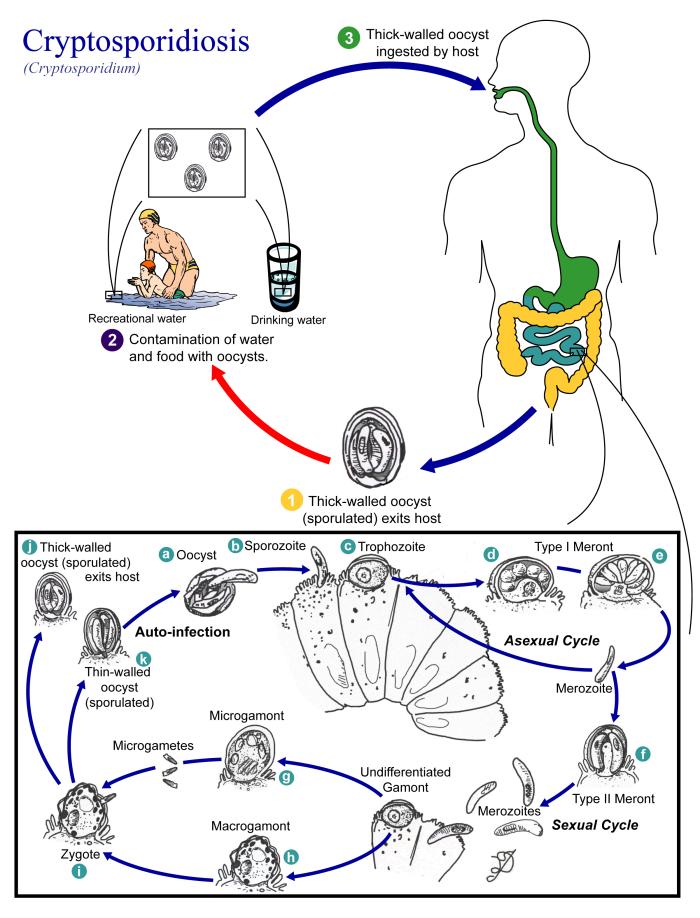
There have been 71 cases of cryptosporidiosis notified to the Public Health Unit to date this year (as of 12 March 2017). The highest rates of infection are in children under 5 years of age, Dr Madhumati Chatterji, Acting Director, Public Health Unit said.
Posted in Uncategorized
In a follow-up on the increase in Shigellosis cases in southeastern New Mexico, The New Mexico Department of Health (NMDOH) continues its investigation of a 10-month increase in cases of Shigella sonnei infections in Lea, Chaves, and Eddy counties.
Since May 2016, 226 confirmed and epidemiologically-linked cases have been identified in the southeastern counties. The cases, again, are largely among preschool and school-aged children.
Posted in Uncategorized
Australia due to potential salmonella contamination.
Posted in Uncategorized
The CDC this morning updated the E. coli O157:H7 outbreak linked to I.M. Healthy and Dixie Drew Soy Nut Butter to twenty-three people infected with the outbreak strains of E. coli O157:H7 from nine states. Arizona 4, California 5, Maryland 1, Missouri 1, New Jersey 1, Oregon 6, Virginia 2, Washington 2, Wisconsin 1.
Illnesses started on dates ranging from January 4, 2017, to March 5, 2017. Ill people range in age from 1 to 48 years, with a median age of 8. Twenty (87%) of the 23 ill people are younger than 18 years. Among ill people, 61% are male. Ten ill people have been hospitalized and seven people developed hemolytic uremic syndrome (HUS), a type of kidney failure. No deaths have been reported. Illnesses that occurred after February 24, 2017, might not yet be reported due to the time it takes between when a person becomes ill and when the illness is reported.
Posted in Uncategorized
The multi-state outbreak of multi-drug-resistant Salmonella Heidelberg infections that was linked to contact with dairy bull calves is over.
Since its last update Nov. 28, the federal Centers for Disease Control and Prevention reports an additional 15 confirmed cases were added to the outbreak. Five of those required hospitalization.
Final counts for the outbreak are 36 confirmed cases with 13 hospitalizations. There have not been any deaths associated with the multi-drug-resistant Salmonella Heidelberg infections.
The outbreak had a 10-state footprint with the addition of Texas and North Dakota since November.
Posted in Uncategorized

CDC Photo
A suspected norovirus outbreak has been implicated in an gastrointestinal illness outbreak on board the Princess Cruises’ Coral Princess, according to federal health officials.
The 10-day long voyage arrived in Fort Lauderdale Saturday and according to the CDC, 157 of the 2,016 (7.79%) passengers and 25 of the 881 (2.84 %) crew were sickened presenting the symptoms of vomiting and diarrhea.
In response to the outbreak, Princess Cruises and the crew aboard the ship reported the following actions: Increased cleaning and disinfection procedures according to their outbreak prevention and response plan, collected stool specimens from passenger and crew gastrointestinal illness cases for testing and made twice daily reports of gastrointestinal illness cases to the Vessel Sanitation Program.
A CDC Vessel Sanitation Program environmental health officer boarded the ship in Ft. Lauderdale on March 18 to conduct an environmental health assessment and evaluate the outbreak and response activities.
Posted in Uncategorized


