Category Archives: Uncategorized

Research – Risk Assessment of Salmonellosis from Consumption of Alfalfa Sprouts and Evaluation of the Public Health Impact of Sprout Seed Treatment and Spent Irrigation Water Testing

Online Library kswfoodworld Salmonella

We developed a risk assessment of human salmonellosis associated with consumption of al-falfa sprouts in the United States to evaluate the public health impact of applying treatments to seeds (0–5-log 10 reduction in Salmonella) and testing spent irrigation water (SIW) during production. The risk model considered variability and uncertainty in Salmonella contamina- tion in seeds, Salmonella growth and spread during sprout production, sprout consumption, and Salmonella dose response. Based on an estimated prevalence of 2.35% for 6.8 kg seed batches and without interventions, the model predicted 76,600 (95% confidence interval (CI) 15,400 – 248,000) cases/year. Risk reduction (by 5 – to 7-fold) predicted from a 1-log 10 seed treatment alone was comparable to SIW testing alone, and each additional 1-log 10 seed treat- ment was predicted to provide a greater risk reduction than SIW testing. A 3-log 10 or a 5-log 10 seed treatment reduced the predicted cases/year to 139 (95% CI 33 – 448) or 1.4 (95% CI < 1 – 4.5), respectively. Combined with SIW testing, a 3-log 10 or 5-log 10 seed treatment reduced the cases/year to 45 (95% CI 10–146) or < 1 (95% CI < 1 – 1.5), respectively. If the SIW cover- age was less complete (i.e., less representative), a smaller risk reduction was predicted, e.g., a combined 3-log 10 seed treatment and SIW testing with 20% coverage resulted in an estimated 92 (95% CI 22 – 298) cases/year. Analysis of alternative scenarios using different assumptions for key model inputs showed that the predicted relative risk reductions are robust. This risk assessment provides a comprehensive approach for evaluating the public health impact of various interventions in a sprout production system.
 

Research – Recurrent infection progressively disables host protection against intestinal inflammation

Science Mag

Minor infections cause big problems

Pathogenic infection has been implicated in the chronic inflammation seen in inflammatory bowel diseases (IBDs) such as ulcerative colitis and Crohn’s disease. Yang et al. show that recurrent, low-level, and fully resolving Salmonella enterica Typhimurium (ST) infections can precipitate severe colonic inflammation in mice. ST-induced TLR4 activation resulted in increased neuraminidase 3 (Neu3) production and activity in the duodenum. This led to intestinal alkaline phosphatase (IAP) desialylation and degradation. IAP deficiency caused a marked increase in commensal bacteria-generated lipopolysaccharide-phosphate in the colon, provoking inflammation. Treatment with calf IAP or the antiviral drug zanamivir (which inhibits Neu3 activity) prevented this inflammatory cascade. This pathway may serve as an effective target for future human IBD therapies.


USA/Canada- CDC says contaminated coconut could still be in homes, stores – Salmonella

Food Safety News shredded-coconut-226x300

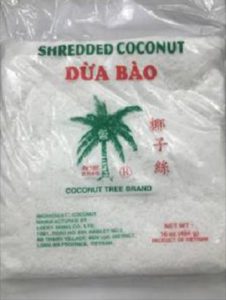
There is an ongoing public health threat from frozen, shredded coconut linked to a Salmonella outbreak that has sickened people in the United States and Canada.

In the U.S., 25 people from nine states have been confirmed with infections from two outbreak strains of Salmonella. In Canada, one person has salmonellosis from a strain matching one of the outbreak strains identified by the U.S. Centers for Disease Control and Prevention. Six of the U.S. victims had symptoms so severe that they required hospitalization.


Research – Incidence, species and antimicrobial resistance of naturally occurring Campylobacter isolates from quail carcasses sampled in a commercial processing facility

Wiley Online 

Abstract

There is limited information about Campylobacter in commercially processed quail (Coturnix coturnix). The objective of this study was to determine the occurrence of Campylobacter on carcasses in a commercial quail processing plant. Carcasses were collected prior to chilling and/or the application of any antimicrobials, transported to the laboratory, and individually bagged. Following the standard protocol for recovering Campylobacter, three typical colonies were selected, confirmed as Campylobacter and tested for antimicrobial susceptibility. Nine replicates were conducted. Of the 85 carcasses obtained (n = 5 for first visit, n = 10 for 8 subsequent visits), 28 (32.9%) carcasses were found to be positive for Campylobacter. On four visits, no Campylobacter was found; on two visits, all samples were positive; and 1/5, 1/10, and 6/10 samples were positive for the remaining visits. Of the 28 isolates recovered, 18 (64%) were C. jejuni and 10 (36%) were C. coli. Tetracycline resistance was detected in all 28 isolates. Future work in the breeder flocks, hatchery, and grow-out houses is planned to further understand Campylobacter ecology in quail production and processing which could also be useful to the broiler industry.

Practical applications

Very little published information exists for the presence of Campylobacter spp. on processed quail. Most of the studies involve cloacal swabs and ceca from samples obtained from hunters. This study involves sampling processed quail carcasses from a large commercial integrated company and also determined the species and antibiotic resistance profile of the Campylobacter isolates. There is considerable debate concerning the ecology of Campylobacter on poultry and perhaps our data can be used by the broiler industry to develop a better understanding of the ecology and to assist in the application of effective intervention strategies. Presently, there is slightly under 100,000 million commercially processed and domestically grown quails in the United States each year, most of which is marketed in Europe as a frozen product. So the presence of an important foodborne pathogen on this food is significant information.

Pet Food Recall- Listeria monocytogenes

Petful

Recalled: JustFoodForDogs

The company’s first recall comes after preliminary testing revealed its human-grade green beans may be contaminated with Listeria.

Maker: JustFoodForDogs, LLC
Cause: Potential for contamination with listeria in products containing green beans
Announcement: Company letter to customers, Jan. 15, 2018
What was recalled: Only these specific JustFoodForDogs products:

  • Turducken, all batch dates
  • Beef and Russet Potato, all batch dates through Jan. 14 (new packages will be made that contain no green beans and are safe to feed)
  • Fish and Sweet Potato, all batch dates through Jan. 14 (new packages will be made that contain no green beans and are safe to feed)

Research – New source of world’s deadliest toxin discovered -Botulinum Toxin

Science daily 


Researchers from the Quadram Institute have identified genes encoding a previously undiscovered version of the botulinum neurotoxin in bacteria from a cow’s gut.

This is the first time that an intact cluster of genes for making botulinum neurotoxin have been found outside of the bacterium Clostridium botulinum or its close relatives, and only the second report of a new botulinum toxin in the past 40 years.

Clostridium botulinum is a dangerous pathogen that forms the highly potent botulinum toxin, which when ingested causes botulism, a deadly neuroparalytic disease. But botulinum neurotoxin is now also used in a range of medical procedures, as well as for cosmetic purposes. The discovery of this new type of botulinum neurotoxin, from an unexpected source, has the potential to widen the range of medical uses even further.

The genes that encode the botulinum toxin protein along with accessory proteins that protect the botulinum toxin and ensure it functions, are organised as a gene cluster. In new research, published in the journal FEBS Letters, scientists at the Quadram Institute carried out a search of the National Centre for Biotechnology Information’s Whole Genome Sequence database. Using bioinformatics techniques, Dr Jason Brunt and Dr Andrew Carter, working with Professor Mike Peck and Dr Sandra Stringer, screened this database for other entries that were similar to the predicted proteins that the botulinum toxin gene would produce. The study was funded by the Biotechnology and Biological Sciences Research Council.

This search identified a previously undiscovered gene cluster encoding a new botulinum neurotoxin and accessory proteins in the genome of a species of Enterococcus bacteria isolated from cow faeces.

Canada – Health Canada Says E. coli O157 Outbreak In That Country Linked to Romaine Lettuce Over

Food Poisoning Bulletin

Health Canada says that the E. coli O157 outbreak linked to romaine lettuce in that country is over. At least 42 people in 5 provinces were sickened in this outbreak.

Research – Application of antimicrobial treatment to whole carcasses during prechill can improve microbial quality of broiler parts

Wiley Online Library Campylobacter kswfoodworld

Abstract

Broilers cut up into parts have been reported to have higher microbial numbers than corresponding whole carcasses. Prechill immersion leads to water uptake by whole carcasses which is released during cut-up. The objective of this study was to determine if an antimicrobial treatment applied during prechill can reduce the prevalence or numbers of total aerobic bacteria and Escherichia coli on corresponding chicken parts. Commercially eviscerated broiler carcasses were subjected to sequential immersion prechill, final ice water chill, and cut-up procedures. Enumeration of total aerobic bacteria, coliforms, and E. coli was performed using carcass rinses at postevisceration, after 15 min prechill (22–25°C water), after 30 min ice water immersion chill (0–4°C water), and following cut-up into parts. Six prechill, antimicrobial treatments were evaluated: 50 ppm chlorine, 50 ppm chlorine + 0.5% T-128 (a chlorine stabilizer), 20 ppm peracetic acid, 20 ppm peracetic acid + 0.5% T-128, 0.5% T-128, and water. Addition of 0.5% T-128 to water, 20 ppm peracetic acid, or 50 ppm chlorine during prechill significantly (p < .05) decreased total aerobic bacteria and E. coli/coliforms following prechill by ∼1.5–2.0 log compared to the water control.

Practical applications

Antimicrobial treatment of whole broiler carcasses during prechill is a practical means to lessen microbial contamination of corresponding broiler parts. Chlorine and peracetic acid applied with a chlorine stabilizer (T-128) can be expected to be effective for this purpose.

Research UK – UK: Antimicrobial resistance in Campylobacter from retail chilled chicken

Full Report

EXECUTIVE SUMMARY

This report presents antimicrobial resistance data for isolates collected as part of FSA study FS102121: A microbiological survey of Campylobacter contamination in fresh whole UK-produced chilled chickens at retail sale. The isolates were obtained from chicken at retail sale during the period from July 2015 to May 2016.

Campylobacter jejuni and C. coli isolates (548) recovered from retail chicken using the EN/TS/ISO 10272-2 standard enumeration method (applied with a detection limit of 10 cfu per gram of skin or per outer packaging swab sample tested) were tested to determine the antimicrobial resistance profiles of the cultures.

Ciprofloxacin resistance was identified in around half of the C. jejuni isolates (437) and C. coli isolates (108) tested. None of the C. jejuni and only 1.9 % of the C. coli isolates were resistant to erythromycin and just over three quarters of isolates were resistant to tetracycline. All isolates tested were sensitive to gentamicin. Multidrug resistance defined as reduced susceptibility to at least three antimicrobial classes was found in 1.5 % of all isolates examined. The proportion of multi-resistant isolates was significantly higher within C. coli (7.4 %) compared to within C. jejuni.

Overall, the proportions of antimicrobial resistant isolates found in this study were similar to that reported in the previous survey year (2014-2015) with erythromycin resistance continuing a decreasing trend. Multi drug resistance (MDR) in C. coli was lower compared to that found in the previous survey year. MDR in C. jejuni was not detected and thus likely to be very low as reported in the dataset from the first survey year (1 %). However, the data demonstrated significantly higher proportions of ciprofloxacin resistance compared to older data from the 2007/2008 FSA survey and in the CLASSP survey (2010).

It is recommended that trends in antimicrobial resistance in Campylobacter isolates from retail chickens continue to be monitored.

Madagascar – Madagascar: 10 deaths from sea turtle meat – Food Poisoning

Barf Blog

Villagers in the fokontany of Ambavarano, Mahavanona commune in Ansirtanana II shared sea turtle meat.

Immediately after the meal, the first symptoms of food poisoning appeared. They did not stop vomiting and were later evacuated to the hospital.

And despite the intensive care that was provided to the sick, 10 people, including a one-year-old, baby, did not survive. According to the explanations, sea turtles were unfit for consumption.