Category Archives: Uncategorized

RASFF Alerts – Ochratoxin – Nutmeg – Aflatoxin – Pistachio – Nutmeg – Almonds

Food Testing - Eurofins

RASFF – aflatoxins (B1 = 28.4; Tot. = 31.7 µg/kg – ppb) in pistachio kernels from Iran in Italy

RASFF -ochratoxin A (49.7 µg/kg – ppb) in nutmeg from India in Poland

RASFF -aflatoxins (B1 = 10.1; Tot. = 11.7 µg/kg – ppb) in pistachio kernels from Iran, dispatched from Turkey in Italy

RASFF -aflatoxins (B1 = 17.6; Tot. = 18.9 / B1 = 16.5; Tot. = 19.8 / B1 = 23.4; Tot. = 24.2 / B1 = 22.8; Tot. = 23.6 µg/kg – ppb) in pistachios from Iran in Belgium

RASFF -aflatoxins (B1 = 11.8; Tot. = 12.6 µg/kg – ppb) in organic nutmeg powder from India in France

RASFF -aflatoxins (B1 = 13.8; Tot. = 16.8 µg/kg – ppb) in shelled almonds from the United States in Italy

RASFF Alerts Animal Feed – Salmonella – Sunflower – Maize – Soybean -Moulds-Sunflower

Food Testing - Eurofins

RASFF – Salmonella Agona (in 2 out of 4 samples /25g) in sunflower expeller from Germany in Sweden

RASFF -Salmonella Agona (presence /25g) and Salmonella Schwarzengrund (presence /25g) in maize gluten meal from China, via the Netherlands in Norway

RASFF -Salmonella Rissen (presence /25g) in soybean cakes from the Netherlands in Luxembourg

RASFF -Abnormal smell of sunflower meal from Ukraine infested with moulds in Poland

USA – Dried Egg – Salmonella

USDA USDA

Nutriom LLC, a Lacey, Wash. establishment, is recalling an additional 82,884 pounds of processed egg products that may be contaminated with Salmonella, the U.S. Department of Agriculture’s Food Safety and Inspection Service (FSIS) announced today. The majority of the product included in this expansion was originally identified in the public health alert issued by the agency on March 26, 2014.

On March 26, 2014, FSIS and the company did not reach agreement pertaining to products subject to expansion of the initial recall. FSIS acted within the scope of its authority and responsibility and issued a public health alert. To read the public health alert, click here.

As part of the investigation in the detention and seizure of product identified in the public health alert, FSIS identified and verified USDA Agricultural Marketing Service Salmonella sample results that validated the public health safety of four of the lots included in the public health alert. As such, FSIS has determined these products do not need to be removed from commerce. With public health as the focus, Nutriom LLC has agreed to voluntarily recall the remaining product identified in the March 26, 2014 public health alert.

FSIS and the company have received no reports of illnesses due to consumption of these products.

USA – Cat Food Recall – Salmonella

Food Safety News

The Robert Abady Dog Food Co. LLC of Poughkeepsie, NY, is recalling its 2-lb., 5-lb. and 15-lb. boxes of “Abady Highest Quality Maintenance & Growth Formula for Cats” because they have the potential to be contaminated with Salmonella.

The recalled boxes of “Highest Quality Maintenance & Growth Formula for Cats” were distributed nationwide in retail stores and through mail orders.

The product comes in a 2-lb., 5-lb. and 15-lb. corrugated boxes with plastic liners marked with lot # 14029/21 stamped on the right-side top of the box.

No illnesses have been reported to date in connection with this problem.

The potential for contamination was noted after routine testing by the company revealed the presence of Salmonella in some 2-lb., 5-lb. & 15-lb. boxes of “Abady Highest Quality Cat Maintenance & Growth Formula for Cats.”

Research – Studies E. coli on Leafy Vegetables

Food Poisoning Bulletin Ecoli Istock

Research at Texas A&M is looking at E. coli contamination on leafy vegetables. The research looks at how the likelihood that a crop will be contaminated by E. coli before harvest is strongly influenced by both farm management and environmental factors. The study is published in the journal Applied and Environmental Microbiology.

Contaminated produce is the most common source of food poisoning in this country. Between 1998 and 2008, of the 68,000 food poisoning illnesses that were assigned to one of the 17 food commodities, 13% were associated with leafy greens. And the number of illnesses caused by leafy greens is increasing, from 6% in 1999 to 11 percent in 2008


Australia- FSANZ – Sprouts Recall – E.coli

FSANZ alfalfa

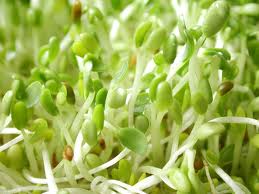
Belmore Bean Factory Pty Ltd has recalled Sprout Garden Alfalfa and Onion Sprouts from the Sydney Markets (Flemington) and fruit and vegetable stores in NSW due to E.coli contamination. Food products contaminated with E.coli may cause illness if consumed. Consumers should not eat this product and should return it to the place of purchase for a full refund. Any consumers concerned about their health should seek medical advice.

Research – Campylobacter Articles – Travels- Petting Zoo’s

Cambridge Journals Campylobacter_jejuni_01

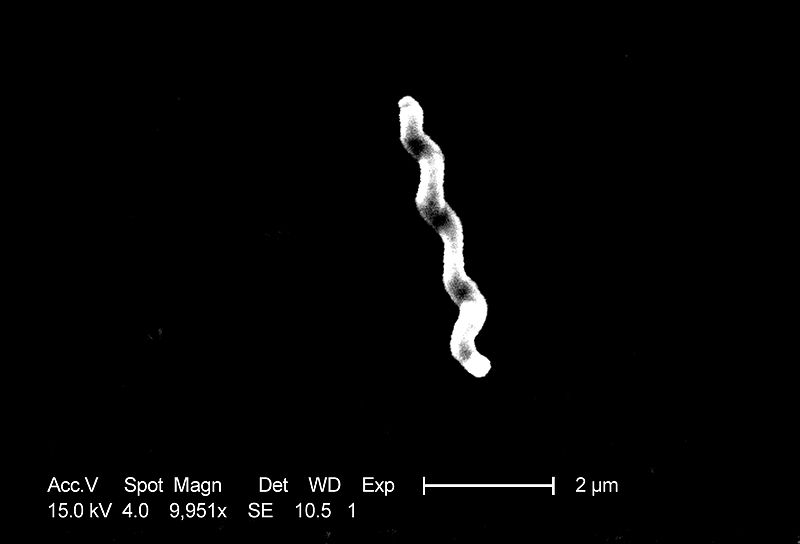
Multilocus sequence types (STs) were determined for 232 and 737 Campylobacter jejuni/coli isolates from Dutch travellers and domestically acquired cases, respectively. Putative risk factors for travel-related campylobacteriosis, and for domestically acquired campylobacteriosis caused by exotic STs (putatively carried by returning travellers), were investigated. Travelling to Asia, Africa, Latin America and the Caribbean, and Southern Europe significantly increased the risk of acquiring campylobacteriosis compared to travelling within Western Europe. Besides eating chicken, using antacids, and having chronic enteropathies, we identified eating vegetable salad outside Europe, drinking bottled water in high-risk destinations, and handling/eating undercooked pork as possible risk factors for travel-related campylobacteriosis. Factors associated with domestically acquired campylobacteriosis caused by exotic STs involved predominantly person-to-person contacts around popular holiday periods. We concluded that putative determinants of travel-related campylobacteriosis differ from those of domestically acquired infections and that returning travellers may carry several exotic strains that might subsequently spread to domestic populations even through limited person-to-person transmission.

Wiley Online

The significance of petting zoos for transmission of Campylobacter to humans and the effect of interventions were estimated. A stochastic QMRA model simulating a child or adult visiting a Dutch petting zoo was built. The model describes the transmission of Campylobacter in animal feces from the various animal species, fences, and the playground to ingestion by visitors through touching these so-called carriers and subsequently touching their lips. Extensive field and laboratory research was done to fulfill data needs. Fecal contamination on all carriers was measured by swabbing in 10 petting zoos, using Escherichia coli as an indicator. Carrier-hand and hand-lip touching frequencies were estimated by, in total, 13 days of observations of visitors by two observers at two petting zoos. The transmission from carrier to hand and from hand to lip by touching was measured using preapplied cow feces to which E. coli WG5 was added as an indicator. Via a Beta-Poisson dose-response function, the number of Campylobacter cases for the whole of the Netherlands (16 million population) in a year was estimated at 187 and 52 for children and adults, respectively, so 239 in total. This is significantly lower than previous QMRA results on chicken fillet and drinking water consumption. Scenarios of 90% reduction of the contamination (meant to mimic cleaning) of all fences and just goat fences reduces the number of cases by 82% and 75%, respectively. The model can easily be adapted for other fecally transmitted pathogens.

Norway- Hepatitis A – Cakes with Berries

HACCP Europa

Marexim AS is recalling cake Berries Slices (Skogsbærkakestykker) because berries used in the cake are suspected to be infected with Hepatitis A virus.

The recalled product is Berries Slices (Skogsbærkakestykker) with product number: EPD No. 2071272, Lot # 3178079418 and Best before date: 27/12/2014.

USA – CDC – Antimicrobial Resistance Program – AR

CDC E.coli O157

It’s been called public health’s ticking time bomb. Antibiotic resistance—when bacteria don’t respond to the drugs designed to kill them—threatens to return us to the time when simple infections were often fatal. Today, antibiotic resistance annually causes more than 2 million illnesses and 23,000 deaths in the United States. Tomorrow, if it continues on its current course, could be even worse:

  • A simple cut of the finger could lead to a life-threatening infection.
  • Common surgical procedures, such as hip and knee replacements, would be far riskier because of the danger of infection.
  • Dialysis patients could develop untreatable bloodstream infections.
  • Life-saving treatments that suppress immune systems, such as chemotherapy and organ transplants, could potentially cause more harm than good.
  1. Clostridium difficile (C. difficile) causes deadly diarrhea mostly in people who’ve recently had medical care and antibiotics.
  2. Carbapenem-resistant Enterobacteriaceae (CRE) are nightmare bacteria that are resistant to nearly all antibiotics and spread easily.
  3. MDR Neisseria gonorrhoeae causes gonorrhea and is showing resistance to antibiotics usually used to treat it.
  4. Extended-spectrum β-lactamase-producing Enterobacteriaceae (ESBL) are bacteria one step away from becoming CRE.
  5. MDR Salmonella causes about 100,000 illnesses in the US each year; resistant infections are more severe.
  6. Methicillin-resistant Staphylococcus aureus (MRSA) causes skin and wound infections, pneumonia, and bloodstream infections.
  7. MDR Pseudomonas causes healthcare-associated pneumonia and bloodstream infections; some strains are resistant to nearly all antibiotics.


Hepatitis A – USA and Europe – Outbreaks and Data

Food Poisoing Bulletin Virusds

The County of Rockland Department of Health is recommending that everyone who ate at the restaurant on March 29, March 30, or April 1, 2014 receive a vaccination. The vaccination is about 80% to 90% effective. The Rockland County Department of Health is offering free vaccines to patrons and employees of the restaurant on Sunday, April 13, 2014 from 11:00 am to 3:00 pm and Monday, April 14, 2014 from 9:00 am to 12:00 pm at the Rockland County Fire Training Center at 35 Firemens Memorial Drive in Pomona.

Unfortunately, for anyone who ate there March 29, 2014, today is the very last day a hepatitis A or immune globulin vaccination would be effective

Food Poisoning Bulletin

A hepatitis A alert has been issued by the Cabarrus Health Alliance, after a manager at the Chuck E. Cheese restaurant at 8016 Cambridge Commons Drive, Suite B in Charlotte, North Carolina, was diagnosed with the illness. Anyone who ate at the restaurant between March 24 and April 7, 2014 should be vaccinated against the virus.

The vaccine is only effective if given within 14 days of exposure. If you ate there before March 29, 2014 and have not been vaccinated, you must monitor yourself for the symptoms of hepatitis A and go to a doctor if you get sick

Food Poisoning Journal

Charlotte, NC, Papa John’s outlet is to blame for a Hepatitis A scare, according to the Mecklenburg County Health Department.

Anyone who ate food from the location on March 28 and 29 should get the Hepatitis A vaccine immediately.

Officials are looking into a potential Hepatitis A outbreak from the Papa John’s location in the 8000 block of Cambridge Commons in Charlotte, near Harrisburg Road and I-485.

According to the health department, a manager at that restaurant, who recently traveled out of the country, contracted Hepatitis A and may have infected Papa John’s patrons.

EFSA – Hepatitis A Data

Since 1 January 2013, 1 315 cases of hepatitis A virus (HAV) infection have been reported by 11 Member States as potentially linked to the ongoing HAV outbreak. Of these, 240 were confirmed outbreak cases, sharing the same sequence KF182323 at the junction VP1-2a of the viral genome. When first declared, the outbreak was associated with travel to Italy. In addition to Italy, seven other Member States have now reported cases with no travel history: France, Germany, Ireland, Norway, the Netherlands, Sweden and the UK. Epidemiological, microbiological and environmental investigations indicate frozen berries as the vehicle of infection for this outbreak and suggest that it could be a single outbreak, linked to a common, continuous source in the EU/EEA. However other hypotheses cannot be excluded, such as cross contamination in a food production environment or an outbreak strain that is already widespread but has, to date, gone undetected. Due to the characteristics of the pathogen (i.e. low infectivity dose and long incubation period) and of the food vehicle (i.e. long shelf-life and complex processing and distribution chain), it is expected that more cases will be reported and other Member States may become involved. In accordance with their national guidelines, Member States may consider active or passive immunisation of those in close contact with cases in order to prevent secondary transmission. Despite coordinated efforts from EFSA, ECDC, affected Member States and the European Commission (HAV-Trace Working Group), the ongoing trace-back investigation has not yet identified a likely source of contamination. The Working Group will continue the trace-back exercise and extend participation, on voluntary basis, to countries that have recently become involved, namely France, Norway and Sweden. All relevant information on national trace-back investigations shall be gathered and integrated into the HAV-Trace exercise via the RASFF (Rapid Alert System for Food and Feed) platform. Given the epidemiological and laboratory evidence of contaminated frozen berries, the risk to human health, and ongoing transmission with increasing geographical spread, affected Member States could consider implementing mitigating measures at national level. In particular, Member States could consider promoting risk communication, recommending heat treatment of frozen berries before consumption and encouraging HAV vaccination of those in contact with cases and throughout the larger community. Implementation of an enhanced sampling scheme for frozen berries at the processing and distribution level could also be considered. Enhanced epidemiological and microbiological surveillance for HAV in the EU/EEA should also be encouraged. A whole genome sequencing approach needs to be considered to examine viral isolates from different points in time during the outbreak in order to confirm the hypothesis of a single outbreak. ECDC, EFSA and the European Commission, in cooperation with the affected Member States, will continue to their efforts to identify the vehicle and source of infection and closely monitor this event. The risk assessment will be updated as soon as any new relevant information becomes available.