Category Archives: Uncategorized

USA – Legionella Outbreak 4 Dead

Food Poisoning Bulletin

Four people have died and sixty one others are sick in Legionnaires Disease outbreak in New York City. Fifty five people remain hospitalized.

Legionnaires’ Disease causes pneumonia-like symptoms such as fever, cough, fatigue, confusion, aches and lung inflammation. Symptoms usually appear two to 14 days after exposure.

People contract Legionnaires’ Disease by inhaling contaminated water mist from showers, faucets, whirlpools, swimming pools, fountains or cooling towers in air conditioning systems. It cannot be transmitted from person to person.

USA – Salmon Fillet Recall – Listeria monocytogenes

Food Poisoning Bulletin File:Salmo salar (crop).jpg

Chilean Atlantic salmon filets sold at Costco and other stores are being recalled for Listeria. Customers who have purchased these products should not eat them as Listeria can cause serious illness and death.

Marine Harvest is recalling the raw, fresh, farmed Chilean Atlantic salmon that was distributed to California, Arizona and Nevada. The lot codes/item numbers are #700354 ATLFS00050, ATLFS00388, ATLFS00764, ATLFS20997, ATLFS20999 lot #700152,  ATLFS00059, ATLFS00388, ATLFS00429, ATLFS0997, ATLFS20999, ATLFS20995.

USA – E.coli O157 Cluster

Food Safety News

A non-expanding cluster of seven likely E. coli O157:H7 cases is being investigated by the Sacramento County Department of Health and Human Services.

Department spokesperson Laura McCasland told Food Safety News that four of the seven who tested positive for E. coli first exhibited symptoms for the pathogen.

USA – FDA Recall – Voluntarily Recalls Fisher Brand 10 Ounce Chopped Walnuts Because of Possible Health Risk – Salmonella

FDA

John B. Sanfilippo & Son, Inc. (JBSS) announced today that it is voluntarily recalling Fisher brand chopped walnuts packaged in 10 ounce plastic bags because some of these products may be contaminated with Salmonella.

Salmonella is an organism which can cause serious and sometimes fatal infections in young children, frail or elderly people and others with weakened immune systems. Healthy persons infected with Salmonella often experience fever, diarrhea (which may be bloody), nausea, vomiting and abdominal pain. In rare circumstances, infection with Salmonella can result in the organism getting into the bloodstream and producing more severe illnesses such as arterial infections (i.e., infected aneurysms), endocarditis and arthritis.

Consumers who have recently purchased the items with the BEST BY DATES listed in the table below at retail stores located nationwide and in Puerto Rico should not consume this product and should return it to the store of purchase for a full refund or replacement. The BEST BY DATES can be found on the back of the bags.

JBSS Item Code UPC # BRAND PRODUCT DESCRIPTION UNIT WT. UM BEST BY DATE
P03004 070690 02365 8 Fisher Chopped Walnuts 10 oz 03/23/16 HC1
P03004 070690 02365 8 Fisher Chopped Walnuts 10 oz 03/23/16 HC2

To date, JBSS has not received any reports of illnesses in connection with the items listed above.

This voluntary recall is the result of a routine sampling program conducted by the FDA in the retail marketplace which revealed that a 10 ounce package of Fisher brand chopped walnuts contained Salmonella.

Contact for Consumers:
Consumers or customers who have questions about the above recall may contact John B. Sanfilippo and Son, Inc. Customer Service toll-free at (800) 874-8734 Monday through Friday from 8:15 AM to 5:15 PM Central Time

Research – Flies and Pathogenic Bacteria

7th Space Interactive fly

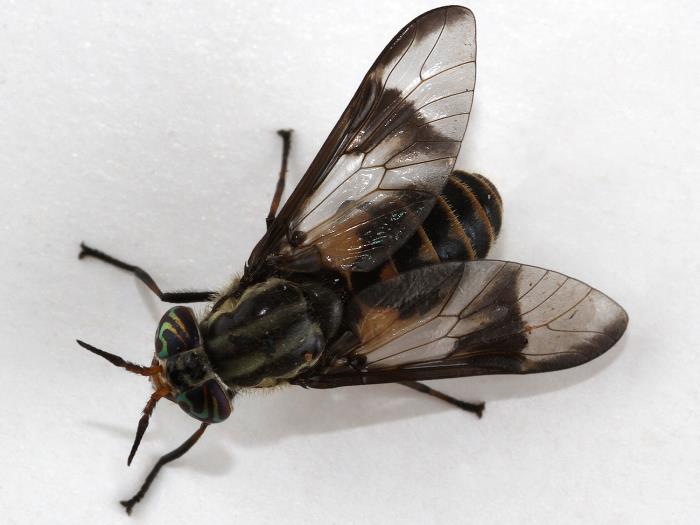
The mechanical transmission of pathogenic bacteria by synanthropic filth flies is widely recognized. While many studies report the fate and the temporospatial distribution of ingested foodborne bacteria by filth flies, there is little evidence about the transmission dynamics of ingested foodborne bacteria by adult house flies (Musca domestica) to their progeny.

In this study, we fed parental house fly adults with food contaminated with low, medium, and high concentrations of Salmonella enterica, Cronobacter sakazakii, Escherichia coli O157:H7, and Listeria monocytogenes and evaluated the probability of transmission of these pathogens to house fly eggs and the surface and the alimentary canal of their first filial (F 1 ) generation adults.

Results: All foodborne pathogens were present in samples containing pooled house fly eggs. The probability of transmission was higher after parental house flies ingested food containing medium bacterial loads.

Cronobacter sakazakii was 16, 6, and 3 times more likely to be transmitted to house fly eggs than S. enterica, E.

coli O157:H7, and L. monocytogenes, respectively.

Research – USA – Large Outbreak of Botulism Associated with a Church Potluck Meal — Ohio, 2015

CDC

On April 21, 2015, the Fairfield Medical Center (FMC) and Fairfield Department of Health contacted the Ohio Department of Health (ODH) about a patient suspected of having botulism in Fairfield County, Ohio. Botulism is a severe, potentially fatal neuroparalytic illness.* A single case is a public health emergency, because it can signal an outbreak (1). Within 2 hours of health department notification, four more patients with similar clinical features arrived at FMC’s emergency department. Later that afternoon, one patient died of respiratory failure shortly after arriving at the emergency department. All affected persons had eaten at the same widely attended church potluck meal on April 19. CDC’s Strategic National Stockpile sent 50 doses of botulinum antitoxin to Ohio. FMC, the Fairfield Department of Health, ODH, and CDC rapidly responded to confirm the diagnosis, identify and treat additional patients, and determine the source.

A confirmed case of botulism was defined as clinically compatible illness in a person who ate food from the potluck meal and had 1) laboratory-confirmed botulism or 2) two or more signs of botulism or one sign and two or more symptoms† of botulism. A probable case was a compatible illness that did not meet the confirmed case definition in a person who ate food from the potluck meal.

Among 77 persons who consumed potluck food, 25 (33%) met the confirmed case definition, and four (5%) met the probable case definition. The median age of patients was 64 years (range = 9–87 years); 17 (59%) were female. Among 26 (90%) patients who reported onset dates, illness began a median of 2 days after the potluck (range = 1–6 days).

Twenty-seven of the 29 patients initially went to FMC. Twenty-two (76%) patients were transferred from FMC to six hospitals in the Columbus metropolitan area approximately 30 miles away; these transfers required substantial and rapid coordination. Twenty-five (86%) patients received botulinum antitoxin, and 11 (38%) required endotracheal intubation and mechanical ventilation; no other patients died. Within 1 week of the first patient’s arrival at the emergency department, 16 patients (55%) had been discharged. Among 19 cases that were laboratory-confirmed, serum and stool specimens were positive for botulinum neurotoxin type A or Clostridium botulinum type A.

Research – USDA – E. coli Gets a Boost from Lettuce Disease

USDA Eurofins Food Testing UK

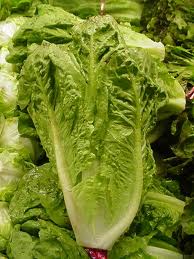
Escherichia coli O157:H7, a bacterium that causes foodborne illness in humans, is more likely to contaminate lettuce when downy mildew is already present, according to U.S. Department of Agriculture (USDA) scientists.

Downy mildew, a lettuce disease caused by the fungus-like water mold Bremia lactucae, is one of the biggest problems that lettuce growers must deal with.

But microbiologist Maria Brandl, with the USDA Agricultural Research Service’s (ARS) Produce Safety and Microbiology Research Unit in Albany, California, has been investigating why so many E. coli O157:H7 outbreaks can be traced back to lettuce fields when E. coli O157:H7 sources are as diverse as undercooked beef, sprouts, raw dairy, shelled walnuts, fruits and vegetables. ARS is USDA’s chief in-house research agency.

Lettuce leaves are actually a harsh place for microbes to survive. But the epidemiological evidence is indisputable about how often lettuce is the source of E. coli O157:H7 contamination.

USA – Prison E.coli Outbreak

E.coli Blog

USA – Shigella Increase

Shigella Blog shigella

The San Joaquin County Public Health Services has seen an increase in the number of cases of Shigella in the county this year. So far, 66 people have come down with the bacteria-caused disease. Historically, the county only sees about 10 case of the disease per year.

USA – New York – Legionella Outbreak

NYC Health Department Legionella_Plate_01

Health Department Investigating Outbreak of Legionnaires’ Disease in the South Bronx 31 cases of Legionnaires’ disease have been reported since July 10 New Yorkers with respiratory symptoms, such as fever, cough, chills and muscle aches, are advised to promptly seek medical attention