
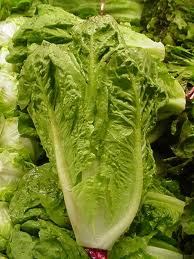
Escherichia coli O157:H7, a bacterium that causes foodborne illness in humans, is more likely to contaminate lettuce when downy mildew is already present, according to U.S. Department of Agriculture (USDA) scientists.
Downy mildew, a lettuce disease caused by the fungus-like water mold Bremia lactucae, is one of the biggest problems that lettuce growers must deal with.
But microbiologist Maria Brandl, with the USDA Agricultural Research Service’s (ARS) Produce Safety and Microbiology Research Unit in Albany, California, has been investigating why so many E. coli O157:H7 outbreaks can be traced back to lettuce fields when E. coli O157:H7 sources are as diverse as undercooked beef, sprouts, raw dairy, shelled walnuts, fruits and vegetables. ARS is USDA’s chief in-house research agency.
Lettuce leaves are actually a harsh place for microbes to survive. But the epidemiological evidence is indisputable about how often lettuce is the source of E. coli O157:H7 contamination.

 FoodWorld