Category Archives: Uncategorized

RASFF Alerts – Aflatoxin – Dried Figs – Groundnuts – Nutmeg – Pistachio Pesto – Pistachio Nuts – Walnuts – Rice Flour – Dried Chilli

RASFF-Logo

RASFF-aflatoxins (B1 = 9.7; Tot. = 21.5 µg/kg – ppb) in dried fig cubes from Turkey in Italy

RASFF-aflatoxins (B1 = 6 µg/kg – ppb) in groundnut kernels from China in the UK

RASFF-aflatoxins (B1 = 10.5; Tot. = 17.2 µg/kg – ppb) in dried figs from Turkey in Germany

RASFF-aflatoxins (B1 = 3.44 / B1 = 3.46 µg/kg – ppb) in grounnuts blanched from Brazil in Poland

RASFF-aflatoxins (B1 = 14.9; Tot. = 16.1 µg/kg – ppb) in nutmeg powder from India in Lithuania

RASFF-aflatoxins (Tot. = 76 µg/kg – ppb) in pistachio pesto and almonds premium + pistachio pesto and walnuts premium from Italy in Italy

RASFF-aflatoxins (B1 = 9; Tot. = 15 µg/kg – ppb) in dried figs from Turkey in Denmark

RASFF-aflatoxins (B1 = 18.49; Tot. = 19.2 µg/kg – ppb) in dried figs with rice flour from Turkey in the Czech Republic

RASFF-aflatoxins (B1 = 69; Tot. = 77 µg/kg – ppb) in granulated dried chili from Hong Kong in the Netherlands

RASFF-aflatoxins (B1 = 12.9; Tot. = 14.6 µg/kg – ppb) in raw pistachios in shell from Iran in Poland

RASFF Alerts – Animal Feed – Salmonella – Dog Chews – Fish Meal – Aflatoxin – Orange Maize

Food Testing - Eurofins

RASFF-Salmonella (presence in 4 of 13 samples /25g) in fishmeal from Mauritania in Denmark

RASFF-Salmonella (presence /25g) in fish meal from Mauritania in Denmark

RASFF-Salmonella (presence /25g) in fish meal from Mauritania in Denmark

RASFF-Salmonella (in 2 out of 5 samples /25g) in dog chews from Thailand in Germany

RASFF-aflatoxins (B1 = 168 µg/kg – ppb) in orange maize from India

USA – Chipotle E.coli Outbreak Update

Food Poisoning Bulletin

The number of cases in the E. coli outbreak linked to Chipotle restaurants in Washington and Oregon has officially dropped from 50 to 37. Health officials have trimmed seven cases from the total in Washington and six cases from the total in Oregon bringing the total number of cases in those states to 24 and 13 respectively.

The Washington State Department of Health said the numbers were revised as results from “more definitive tests” became available.

UK -Norovirus to blame for Hi-Tide bar diners falling ill

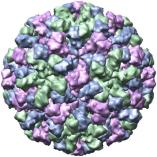
BBC News Norwalk_Caspid

Fifty-six people who fell ill after attending functions at a bar in Bridgend county had the norovirus, it has been confirmed.

Public Health Wales said the Hi-Tide bar in Porthcawl remains open after the outbreak of diarrhoea and vomiting.

The outbreak has now been declared over.


Research -Estimating the burden of acute gastrointestinal illness due to Giardia, Cryptosporidium, Campylobacter, E. coli O157 and norovirus associated with private wells and small water systems in Canada

Cambridge University Press

Waterborne illness related to the consumption of contaminated or inadequately treated water is a global public health concern. Although the magnitude of drinking water-related illnesses in developed countries is lower than that observed in developing regions of the world, drinking water is still responsible for a proportion of all cases of acute gastrointestinal illness (AGI) in Canada. The estimated burden of endemic AGI in Canada is 20·5 million cases annually – this estimate accounts for under-reporting and under-diagnosis. About 4 million of these cases are domestically acquired and foodborne, yet the proportion of waterborne cases is unknown. There is evidence that individuals served by private systems and small community systems may be more at risk of waterborne illness than those served by municipal drinking water systems in Canada. However, little is known regarding the contribution of these systems to the overall drinking water-related AGI burden in Canada. Private water supplies serve an estimated 12% of the Canadian population, or ~4·1 million people. An estimated 1·4 million (4·1%) people in Canada are served by small groundwater (2·6%) and surface water (1·5%) supplies. The objective of this research is to estimate the number of AGI cases attributable to water consumption from these supplies in Canada using a quantitative microbial risk assessment (QMRA) approach. This provides a framework for others to develop burden of waterborne illness estimates for small water supplies. A multi-pathogen QMRA of Giardia, Cryptosporidium, Campylobacter, E. coli O157 and norovirus, chosen as index waterborne pathogens, for various source water and treatment combinations was performed. It is estimated that 103 230 AGI cases per year are due to the presence of these five pathogens in drinking water from private and small community water systems in Canada. In addition to providing a mechanism to assess the potential burden of AGI attributed to small systems and private well water in Canada, this research supports the use of QMRA as an effective source attribution tool when there is a lack of randomized controlled trial data to evaluate the public health risk of an exposure source. QMRA is also a powerful tool for identifying existing knowledge gaps on the national scale to inform future surveillance and research efforts.


Research -Occurrence and Characterization of Enteropathogenic Escherichia coli (EPEC) in Retail Ready-to-Eat Foods in China

Mary Ann Leibert

Enteropathogenic Escherichia coli (EPEC) is an important foodborne pathogen that potentially causes infant and adult diarrhea. The occurrence and characteristics of EPEC in retail ready-to-eat (RTE) foods have not been thoroughly investigated in China. This study aimed to investigate EPEC occurrence in retail RTE foods sold in the markets of China and to characterize the isolated EPEC by serotyping, virulence gene analyses, antibiotic susceptibility test, and molecular typing based on enterobacterial repetitive intergenic consensus–polymerase chain reaction (ERIC-PCR). From May 2012 to April 2013, 459 RTE food samples were collected from retail markets in 24 cities of China. E. coli in general, and EPEC specifically, were detected in 144 (31.4%) and 39 (8.5%) samples, respectively. Cold vegetable in sauce was the food type most frequently contaminated with EPEC (18.6%). Of 39 EPEC isolates, 38 were atypical EPEC (eae+) and 1 was typical EPEC (eae+bfpA+) by multiplex PCR assays. The virulence genes espA, espB, tir, and iha were detected in 12, 9, 2, and 1 of 39 isolates, respectively, while genes toxB, etpD, katP, and saa were not detected. O-antigen serotyping results showed that among 28 typeable isolates, the most common serotype was O119, followed by O26, O111, and O128. Many isolates were resistant to tetracycline (64.1%; 25/39), ampicillin (48.7%; 19/39), and trimethoprim/sulfamethoxazole (48.7%; 19/39). ERIC-PCR indicated high genetic diversity in EPEC strains, which classified 42 strains (39 isolates and 3 reference strains) into 32 different profiles with a discrimination index of 0.981. The findings of this study highlight the need for close surveillance of the RTE foods at the level of production, packaging, and storage to minimize risks of foodborne disease.


USA – Florida Vibrio Outbreak

Food Poisoning Bulletin Vibrio_vulnificus_01a

The Florida Department of Health is reporting that the number of cases of Vibrio vulnificus in that state is the highest in years to date. The total for 2015 so far is 42 sick, higher than any year since 2008.  In 2013, the yearly total was 41 cases.

Even worse, the death toll from that illness is 13 in 2015, the highest since 2011. People in the following counties have died: Brevard (2), Duval (2), Escambia (1), Hillsborough (3), Lake (1), Marion (1), Pinellas (1), Pork (1), and Sarasota (1).

Research – Anitmicrobial Resistance

Imperial College London

Global strategies are urgently needed to reduce antibiotic use in animals and agriculture, say researchers from Imperial College London.

In a paper published today in medical journal The Lancet, the authors argue that excessive use of the medication in animals is contributing as much to the global antibiotic resistance crisis as overuse in humans.

The majority of antibiotics produced by pharmaceutical companies are used in animals rather than humans and there have been outbreaks of antibiotic resistant bacteria in hospitals that have been traced back to bacteria from animals. Although antibiotic use in animals in Europe is tightly regulated, it is less controlled in other parts of the world.

BBC News

The world is on the cusp of a “post-antibiotic era”, scientists have warned after finding bacteria resistant to drugs used when all other treatments have failed.

They identified bacteria able to shrug off the drug of last resort – colistin – in patients and livestock in China.

They said that resistance would spread around the world and raised the spectre of untreatable infections.

It is likely resistance emerged after colistin was overused in farm animals.

Bacteria becoming completely resistant to treatment – also known as the antibiotic apocalypse – could plunge medicine back into the dark ages.

UK – PHE – Salmonella Genomics

Food Safety Watch Salmonellaa

Public Health England (PHE) has released information about how it uses the developing science of genomics to identify and characterise Salmonella isolates and detect related clusters of illness that could signify foodborne outbreaks.

Tutorial

Canada – Salmonella Outbreak Investigation

Food Safety Watch

The Public Health Agency of Canada, in collaboration with other federal and provincial public health agencies, is investigating an outbreak of Salmonella Infantis infections of unknown origin that has affected people in eight provinces.